
Introduction
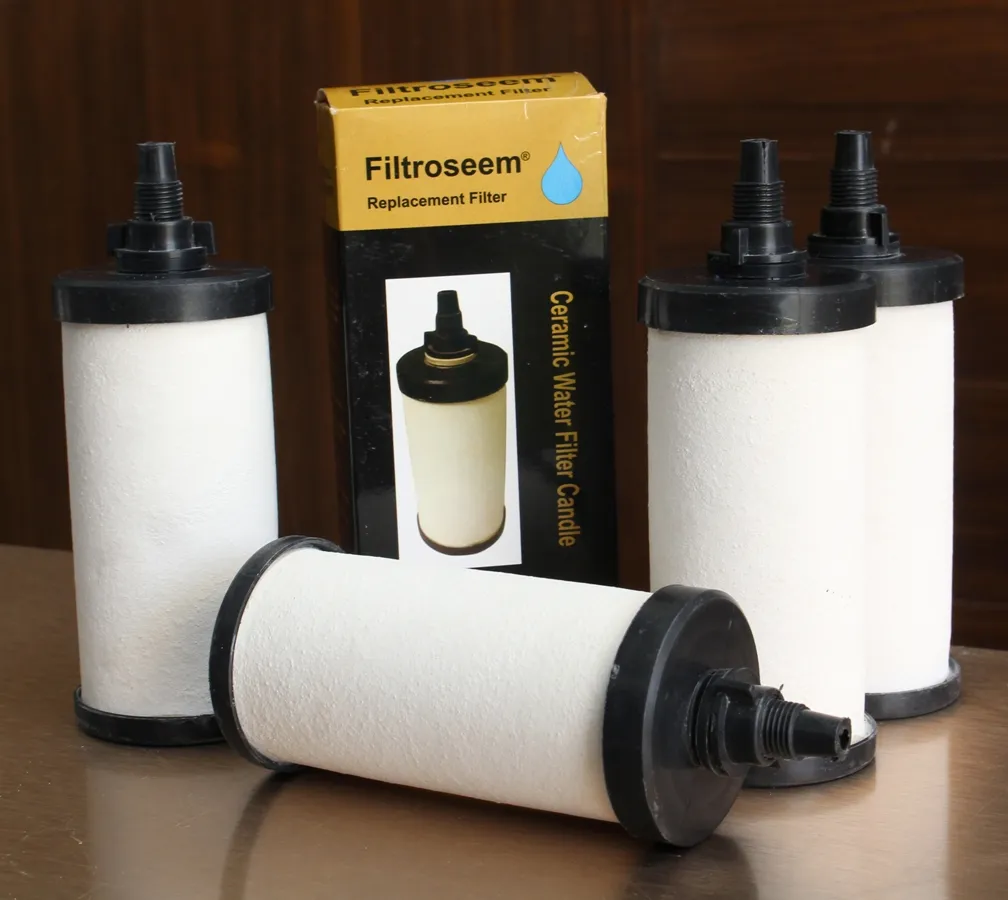
Clean drinking water is essential for maintaining good health and everyday well-being. Among the simple and effective filtration solutions available today ceramic water filter candles help reduce suspended impurities and improve the overall quality of water. Their porous ceramic structure allows water to pass through while retaining many unwanted particles. Understanding how these filters work can help users choose and maintain the right filtration solution for their needs.
What Are Ceramic Water Filter Candles
Ceramic water filter candles are cylindrical filtration components made from specially processed ceramic material. They contain microscopic pores that allow water to flow through while restricting many larger suspended contaminants. Depending on their design and construction they can be used in gravity-based household water filters and other basic water purification systems.
The ceramic material provides a physical filtration barrier without requiring complicated machinery or continuous electricity. This makes these candles useful for applications where a simple and convenient filtration method is preferred.
How Ceramic Water Filter Candles Work
The working process begins when untreated water enters the outer surface of the ceramic candle. As water moves through the tiny pores in the ceramic structure suspended particles are trapped on or within the filter surface. Dirt sediment and other visible impurities can therefore be reduced before the water reaches the clean-water chamber.
The filtration process primarily depends on the size and structure of the pores. Smaller pores create a finer physical barrier and can help capture smaller particles. Over time trapped impurities can accumulate on the outer surface which is why regular cleaning and proper maintenance are important for consistent filtration performance.
Role of Porous Ceramic Material
The porous nature of ceramic is one of the most important features behind the effectiveness of these filters. During manufacturing the ceramic material is processed to create a controlled network of microscopic passages. Water can move through these passages while many suspended particles are retained.
The quality of the ceramic material directly affects filtration performance durability and water flow. Properly manufactured ceramic filter components offer a balance between effective particle retention and practical filtration speed.
Key Benefits of Ceramic Water Filtration
One major benefit is the simple operating mechanism. Ceramic filters generally do not require complex electrical components making them suitable for basic household filtration systems. They can also provide an economical filtration option when maintained correctly.
Another advantage is their reusable nature. When the outer surface becomes clogged with accumulated particles it can typically be cleaned according to the manufacturer's instructions. Proper maintenance helps restore water flow and extend the usable life of the filter candle.
Ceramic filtration can also improve the appearance and taste of water by reducing suspended matter. However the exact purification capability depends on the specific filter design and should not be assumed to remove every type of microorganism or dissolved chemical contaminant.
Factors Affecting Filtration Performance
Several factors influence how efficiently a ceramic filter candle works. These include pore size ceramic quality water pressure and the level of contamination in the incoming water. Heavily contaminated water may cause the filter surface to clog more quickly and require more frequent cleaning.
Users should also follow recommended maintenance practices and replace filter candles when they become damaged or can no longer provide satisfactory flow. Choosing a suitable product from a reliable manufacturer is equally important for obtaining consistent filtration results.
Why Choose Seema Minerals
Seema Minerals focuses on providing quality products with attention to material consistency manufacturing standards and customer requirements. Its expertise in mineral-based products supports the development and supply of dependable filtration components.
For customers looking for ceramic water filter candles Seema Minerals aims to provide products suitable for practical water filtration applications. The company emphasizes quality-focused manufacturing and reliable solutions for customers seeking efficient and convenient filtration options.
Conclusion
Ceramic water filter candles work through a straightforward physical filtration process in which porous ceramic material allows water to pass while retaining many suspended impurities. Their simple design reusable nature and low-complexity operation make them a practical choice for suitable filtration applications. Understanding their working process helps users select appropriate products and maintain them properly for dependable performance.
FAQs
1. What is the main purpose of a ceramic water filter candle?
A ceramic water filter candle is mainly designed to reduce suspended particles and physical impurities from water through its porous ceramic structure.
2. How does water pass through a ceramic filter candle?
Water moves through microscopic pores in the ceramic material while many suspended particles are retained on or within the filter structure.
3. Can ceramic filter candles be cleaned?
Many ceramic filter candles can be cleaned when their surface becomes clogged. Cleaning should always be performed according to the manufacturer's recommended instructions.
4. How often should a ceramic filter candle be replaced?
Replacement frequency depends on water quality usage and filter condition. A candle should be replaced when it is damaged or no longer provides satisfactory filtration performance.
5. Are ceramic filter candles suitable for every type of water contamination?
No. Ceramic filtration primarily provides physical particle filtration. Its ability to address microorganisms or dissolved chemical contaminants depends on the specific product design and any additional treatment used in the filtration system.





















Sign in to leave a comment.