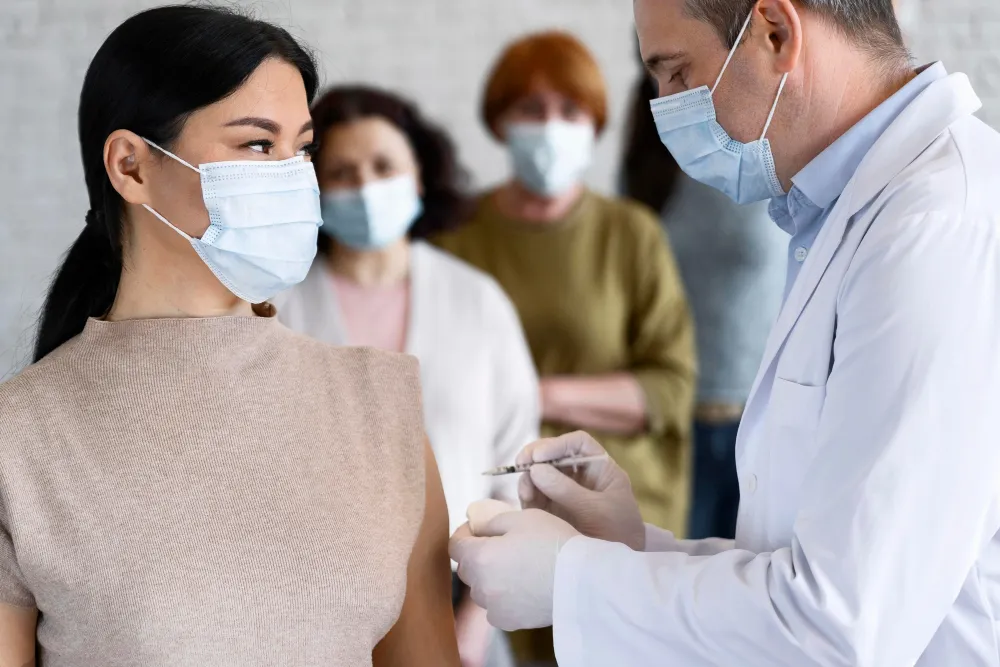

Preparing for international travel involves more than arranging flights, accommodation and travel documents. Health planning can also play an important role, particularly when a destination has specific vaccination or health requirements. Travellers may need advice based on their destination, planned activities, length of stay and existing health considerations. A travel vaccine clinic can provide useful guidance before departure, helping individuals understand recommended vaccinations and other practical precautions. Early preparation can give travellers enough time to complete any required vaccination schedules and make informed decisions about protecting their health while overseas.
Why Travel Health Planning Matters
Different countries and regions can present different health considerations for travellers. Factors such as local infections, climate, food and water conditions, insect exposure and the availability of medical facilities may influence the precautions that are appropriate. Travel health advice can help individuals understand these factors before leaving home. Planning ahead also provides an opportunity to discuss vaccinations and other preventive measures with a qualified healthcare professional. Rather than waiting until departure is close, travellers can consider their health needs as part of the initial holiday or business trip planning process.
Understanding Destination Risks
Travel health recommendations can vary depending on where a person is travelling. Some destinations may have a higher risk of particular infectious diseases, while others may have specific entry requirements. Travellers should provide accurate information about their destination and itinerary during a health consultation. Details about stopovers, rural visits, planned activities and the length of the trip may also be relevant. Understanding the potential risks can help travellers take sensible precautions and prepare appropriately before departure.
The Role of Travel Vaccinations
Vaccinations can help protect travellers against certain infectious diseases that may be encountered overseas. The vaccinations recommended can depend on the destination, individual circumstances and previous vaccination history. A healthcare professional can review these factors and explain which vaccines may be appropriate. Some vaccinations may require more than one dose or need to be given sufficiently before travel to provide protection. Seeking advice early can therefore be helpful when planning an international journey.
Reviewing Vaccination History
A review of previous vaccinations can help determine whether additional doses or specific travel vaccines may be needed. Travellers may not always remember when they received earlier vaccinations, particularly if several years have passed. Providing available vaccination records can help the healthcare professional assess previous protection. Where records are incomplete, the appropriate approach can be discussed during the consultation. Reviewing this information before travel can help avoid unnecessary uncertainty and support more organised preparation.
Planning Travel Health Appointments Early
Travel health preparation is often easier when appointments are arranged well before departure. Some vaccines require multiple doses, while others may need to be administered within a particular period before travelling. Early consultation allows enough time to discuss recommendations and complete any relevant vaccination schedule. It also provides an opportunity to consider other preventive measures. Travellers who wait until shortly before departure may have fewer options for completing certain schedules, so early planning can provide greater flexibility.
Allowing Time for Protection
Vaccines do not necessarily provide immediate protection. Depending on the vaccine, the body may require time to develop an appropriate immune response. Some vaccination schedules may also involve multiple appointments. Travellers should therefore avoid assuming that vaccination on the day before departure will always provide adequate protection. A healthcare professional can explain appropriate timing based on the recommended vaccine. Planning appointments well in advance can make it easier to follow the advised schedule without unnecessary last minute pressure.
Understanding Destination Specific Advice
Travel health recommendations should be based on the actual destination rather than applying the same precautions to every international journey. A traveller visiting an urban area may have different considerations from someone spending significant time in rural or remote locations. Activities such as hiking, camping or working with animals may also affect health advice. Sharing a detailed itinerary during a consultation can help the healthcare professional provide more relevant guidance. Travellers should mention all countries they expect to visit, including transit destinations when appropriate.
Considering the Type of Trip
The nature of a journey can influence the health precautions that may be recommended. A short city break may involve different considerations from an extended backpacking trip or a work assignment in a remote area. Accommodation type, planned activities and access to medical services can all be relevant. Individuals should provide as much information as possible during their consultation. This allows travel health advice to be considered in relation to the actual circumstances of the journey rather than relying on broad assumptions.
Supporting Safe Food and Water Practices
Food and water can be important considerations during international travel. In some destinations, travellers may encounter a greater risk of illnesses associated with contaminated food or drinking water. Practical advice can help individuals understand sensible precautions, such as choosing safe drinking water and taking care with food preparation and storage. Hand hygiene can also play an important role in reducing the spread of infections. Travel health consultations can provide an opportunity to discuss these everyday precautions before departure.
Maintaining Good Hygiene
Regular hand washing can be a simple but valuable travel health measure, particularly before eating and after using shared facilities. Travellers may also benefit from carrying suitable hand sanitising products when clean water is not readily available. Care with food and drinks can further reduce exposure to certain infections. Although these measures cannot eliminate every health risk, they can contribute to sensible travel preparation. Individuals should follow professional advice that reflects the destination and their personal circumstances.
Considering Insect Related Risks
Some destinations have insects that can transmit infections to people. Travellers may therefore receive advice about reducing insect bites depending on where they are going. Measures can include using appropriate insect repellent, wearing suitable clothing and taking additional precautions where recommended. Accommodation with screens or air conditioning may also reduce exposure in some circumstances. Travel health professionals can explain destination specific precautions and discuss whether vaccination or other preventive measures are relevant.
Reducing Insect Bites
Reducing insect exposure can involve several simple precautions. Travellers may use suitable repellent on exposed skin and wear clothing that provides additional coverage when appropriate. Sleeping arrangements may also need consideration in areas where mosquitoes or other insects are prevalent. Individuals should follow the product instructions for repellents and seek professional advice when travelling with children or when particular health considerations apply. Combining several protective measures can provide a more practical approach than relying on a single precaution.
Understanding Travel Health Requirements
Some countries may have specific health entry requirements for travellers arriving from certain regions. Vaccination certificates may be required in particular circumstances. Requirements can change, so travellers should obtain current information before departure and discuss relevant concerns with a suitable healthcare professional. A travel health consultation can help individuals understand whether particular vaccinations or documentation may apply to their journey. Preparing documents in advance can also reduce avoidable difficulties when travelling internationally.
Keeping Important Records
Travel vaccination records should be kept safely and made accessible when travelling. Some travellers may need to show evidence of particular vaccinations depending on their destination or travel history. Keeping records alongside other important travel documents can make them easier to access. Digital copies may also be useful as a backup, although travellers should follow any specific requirements for original certificates. Organised documentation can provide reassurance and reduce unnecessary stress during the journey.
Supporting Different Types of Travellers
Travel health needs can differ between individuals. Children, older adults, pregnant travellers and people with certain medical circumstances may require specific advice before travelling. Previous vaccination history can also influence recommendations. A healthcare professional can consider individual factors when discussing travel preparations. Travellers should provide accurate information about relevant health circumstances and medicines so that appropriate advice can be given. Personalised planning is important because general travel information may not address every individual's circumstances.
Travelling with Children
Families travelling with children may need to consider vaccination schedules, food and water precautions, insect protection and access to healthcare. Parents or carers should discuss the planned trip with a healthcare professional early enough to understand any relevant recommendations. Children may require different vaccination arrangements depending on age and previous immunisation history. Preparing medicines and health supplies appropriately can also be useful. Good planning can help families feel more confident about managing common health considerations while away.
Preparing for Remote Travel
Travelling to remote locations can require additional preparation because access to medical facilities may be limited. Individuals planning rural excursions, trekking trips or extended stays away from major towns should mention these plans during their travel health consultation. The healthcare professional may recommend additional precautions based on the destination and activities. Travellers can also consider carrying suitable first aid supplies and any regular medicines in sufficient quantities. Planning for limited access to healthcare can be an important part of responsible preparation.
Considering Access to Medical Care
Knowing where medical care may be available at a destination can help travellers prepare for unexpected situations. Individuals can research local healthcare facilities and understand how emergency services operate in the countries they visit. Travel insurance that includes appropriate medical cover may also be worth considering. These preparations do not prevent illness or injury, but they can make responding to unexpected circumstances more organised. Travellers should follow professional advice when preparing for destinations where healthcare access may be limited.
Discussing Regular Medicines Before Travel
Individuals who regularly take medicines should consider how their treatment will be managed during international travel. They may need to carry sufficient supplies for the journey and keep medicines in suitable packaging. Some countries have restrictions concerning particular medicines, so travellers should check relevant requirements before departure. A healthcare professional or pharmacist can provide guidance where appropriate. Planning ahead can help prevent interruptions to regular treatment and reduce difficulties when travelling across borders.
Organising Medicines Safely
Travellers should keep regular medicines organised and readily accessible during their journey. It can be useful to carry medicines in their original packaging and keep relevant documentation available when required. Important medicines should generally not be placed only in checked luggage if they are needed during the journey. Individuals should seek specific advice regarding storage requirements, especially for medicines that require particular temperatures. Good organisation can make managing regular treatment easier throughout the trip.
Considering Travel Insurance
Travel insurance can form another part of sensible health preparation. Medical treatment abroad can sometimes be expensive, and the level of cover provided by policies can vary considerably. Travellers should review their policy carefully to understand what medical treatment, emergency assistance and other circumstances are covered. Existing health conditions may need to be disclosed according to the insurer's requirements. Having suitable insurance does not replace vaccinations or preventive measures, but it can provide additional financial protection if unexpected medical needs arise.
Checking Policy Details
Travellers should avoid assuming that every travel insurance policy provides the same protection. Important details can include medical expenses, emergency transport, destination restrictions and activities covered by the policy. Individuals planning adventurous activities may need to check whether those activities are included. Reading the policy conditions before departure can help identify limitations. Travel health preparation is more effective when preventive measures, appropriate documentation and suitable insurance are considered together.
Preparing a Travel Health Kit
A basic travel health kit can help individuals manage minor health concerns during a journey. Depending on the destination and personal needs, it may include items such as plasters, suitable pain relief, hand sanitiser, insect repellent and regularly prescribed medicines. Travellers should consider destination conditions when deciding what to pack. Certain medicines may have specific storage or legal requirements, so professional advice may be appropriate. Preparing supplies before departure can reduce the need to find familiar products while overseas.
Packing Responsibly
Travel health items should be packed in a way that keeps them accessible and protected. Essential medicines and important health documents should be easy to locate during travel. Individuals should check expiry dates before departure and avoid relying on unfamiliar products without understanding their contents. Travellers visiting destinations with limited access to pharmacies may need to prepare more carefully. A well organised health kit can provide practical support for managing minor concerns and maintaining regular treatment while abroad.
Understanding Illness After Travel
Health concerns can sometimes appear during or after a journey. Travellers should pay attention to persistent or unusual symptoms after returning home, particularly if they have visited areas where particular infections are present. If illness develops after international travel, individuals should tell the healthcare professional about their travel history. Details about destinations, activities and timing can be useful when assessing symptoms. Prompt medical advice can be important when symptoms are severe, persistent or unusual.
Sharing Travel History
Travel history can provide valuable information when a healthcare professional is assessing an illness. Individuals should mention all countries visited and explain when they travelled. Information about food, water, insects, animals and activities may also be relevant. Even if symptoms appear several days or weeks after returning, travel details should still be shared. Providing a clear history can help the healthcare professional consider potential causes and determine whether further assessment is appropriate.
Supporting Responsible International Travel
Responsible travel health preparation involves understanding risks and taking practical steps to reduce them. Vaccination is one part of this process, but it works alongside hygiene, insect protection, safe food and water practices, suitable medicines and informed planning. Travellers should also respect local health requirements and seek professional advice where necessary. Preparing carefully does not mean expecting problems throughout a trip. Instead, it provides travellers with practical information that can help them make sensible decisions while enjoying their journey.
Making Informed Decisions
Travel health decisions should be based on reliable and current information. Individuals should avoid relying solely on outdated advice from previous trips because health recommendations can change over time. A professional consultation provides an opportunity to discuss the latest relevant considerations for a planned journey. Travellers can then make decisions based on their destination, activities and individual circumstances. Taking a proactive approach can provide greater confidence and reduce uncertainty before departure.
Choosing a Travel Health Service
When arranging travel health support, individuals can consider factors such as professional qualifications, available vaccinations, appointment arrangements and the ability to discuss destination specific concerns. Convenient access can also make it easier to arrange appointments before travelling. Travellers should ask questions if they are uncertain about vaccination schedules, documentation or other health precautions. A suitable service can provide practical guidance while helping individuals understand what preparations may be relevant to their particular journey.
Preparing for the Consultation
Travellers can make their consultation more useful by bringing available vaccination records and providing a clear travel itinerary. Details about departure dates, destinations, stopovers and planned activities may help the healthcare professional provide appropriate guidance. Individuals should also mention regular medicines and relevant health information. Preparing these details in advance can make the appointment more focused and informative. Early consultation allows more time to arrange recommended vaccinations and address questions before the journey begins.
Final Thoughts
Travel health preparation can help individuals approach international journeys with greater awareness of potential health considerations. Vaccinations, hygiene measures, insect protection, safe food and water practices, suitable medicines and appropriate travel insurance can all contribute to sensible preparation. A travel vaccine clinic can provide an opportunity to discuss destination specific vaccination needs and receive professional guidance before departure. Starting the process early can be particularly useful when vaccination schedules or documentation requirements apply. For travellers seeking structured support with travel health planning, The DenCare Clinic can provide guidance to help them prepare responsibly for their international journeys.




















Sign in to leave a comment.