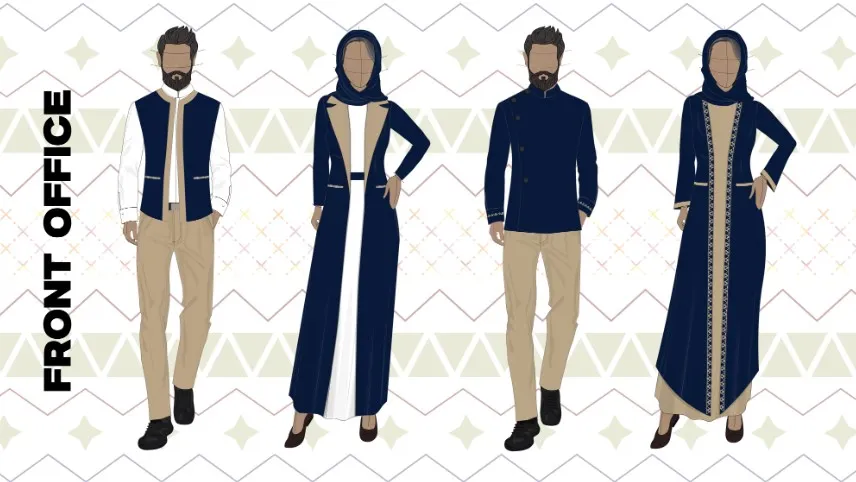

Effective uniform design plays an important role in shaping a company's professional image while ensuring employees feel comfortable and confident throughout the working day. A well-planned uniform does more than create a consistent appearance; it can strengthen brand recognition, support workplace functionality, and leave a positive impression on customers. From corporate offices and hotels to restaurants, schools, healthcare facilities, and retail businesses, the right clothing can become an important part of an organization's identity.
Understanding the Purpose of a Uniform
Before creating a uniform, businesses should consider how and where employees will use it. Different workplaces require different features. A restaurant uniform may need to withstand frequent washing and provide freedom of movement, while healthcare clothing may require easy-care fabrics and practical storage. Office uniforms, on the other hand, may focus more strongly on polished appearance and professional presentation.
Understanding daily responsibilities helps ensure that the final clothing is useful rather than simply attractive. Every element should support the employee's role and working environment.
Comfort Should Come First
Employees may wear uniforms for many hours, making comfort a major consideration. Fabric selection, fit, breathability, and flexibility can all affect the experience of wearing work clothing.
Lightweight fabrics can be helpful in warm environments, while layered garments can provide greater flexibility in cooler conditions. Materials should also feel comfortable against the skin and allow employees to move naturally while performing their duties.
Choosing the Right Fit
A professional appearance depends heavily on proper fit. Uniforms should accommodate different body shapes and provide an appropriate range of sizes. Offering different cuts where necessary can make garments more comfortable and improve employee confidence.
Poorly fitted clothing can restrict movement and create discomfort, while a well-fitted uniform allows employees to look polished without feeling restricted. Testing sample garments before making a large purchase can help businesses identify sizing issues early.
Using Color and Branding Effectively
Colors can help communicate a company's identity and make employees easy for customers to recognize. Businesses can coordinate uniforms with their existing brand colors or select a distinctive palette that reflects their values.
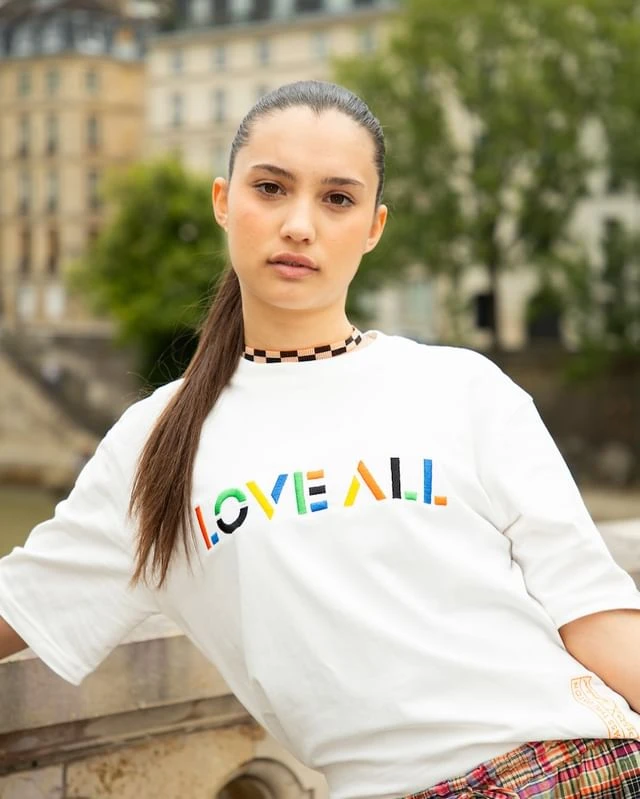
Branding elements such as embroidered logos, name badges, and subtle design details can further strengthen recognition. These elements should be positioned carefully so they remain visible without making the clothing appear crowded or distracting.
Combining Style With Functionality
A good uniform should work as well as it looks. Practical features such as pockets, durable stitching, adjustable closures, and reinforced areas can make everyday tasks easier.
Designers should think about what employees carry and how they move during their shifts. For example, employees who regularly handle equipment or documents may benefit from additional storage, while workers in physically active roles may require flexible fabrics and less restrictive cuts.
Prioritizing Durability
Uniforms are often washed and worn more frequently than everyday clothing. For this reason, durability should be considered from the beginning. High-quality fabrics and strong construction can help garments retain their shape, color, and overall appearance after repeated use.
Although durable clothing may require a greater initial investment, it can reduce replacement costs over time. It can also help maintain a consistent appearance throughout the workforce.
Considering Employee Feedback
Employees are the people who understand the practical demands of a uniform best. Involving them in the selection or testing process can provide valuable insights into comfort, sizing, movement, fabric performance, and usability.
Allowing employees to test sample garments before final production can reveal problems that may otherwise be overlooked. Their feedback can also encourage greater acceptance of the finished clothing.
Sustainability in Modern Uniforms
Sustainability is becoming an increasingly important consideration for businesses. Selecting durable materials, reducing unnecessary replacements, and choosing garments that can be maintained for longer periods can help reduce waste.
Organizations can also consider responsible sourcing and production practices when selecting uniform suppliers. A thoughtful approach can support environmental goals without compromising professional appearance or practical performance.
Conclusion
A successful workplace uniform combines professional style, comfort, functionality, durability, and brand identity. It should represent the organization while meeting the practical needs of employees who wear it every day.
Rather than focusing only on appearance, businesses should consider working conditions, fabric quality, fit, branding, employee feedback, and long-term value. When these elements are carefully balanced, a uniform becomes more than standard workwear. It becomes a practical and recognizable part of the organization's professional identity.























Sign in to leave a comment.