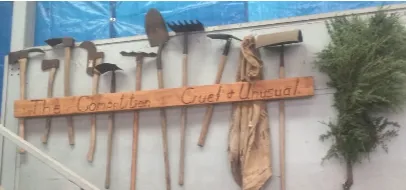

Wildfires can spread quickly, especially when dry vegetation, strong winds, steep terrain, and changing weather conditions come together. Preparing a property before fire season is one of the most practical ways to reduce wildfire risks. A Universal Wildfire Blueprint provides a structured approach to planning, vegetation management, property maintenance, and selecting the right wildfire tools.
For homeowners, land managers, and people living near wildfire-prone areas, preparation is not simply about owning equipment. It is about understanding where hazards exist, reducing available fuel, maintaining defensible space, and having dependable tools ready when they are needed.
What Is a Universal Wildfire Blueprint?
A Universal Wildfire Blueprint is a practical framework for organizing wildfire mitigation and preparedness. It can help property owners identify potential hazards, prioritize maintenance, and create a repeatable plan for reducing combustible vegetation and debris.
A good wildfire plan should consider:
- Property layout and terrain
- Vegetation and fuel loads
- Access for emergency vehicles
- Defensible space
- Structures and combustible materials
- Available water sources
- Wildfire tools and equipment
- Evacuation and emergency planning
- Regular inspection and maintenance
The exact requirements should always be adapted to local conditions, regulations, vegetation, slope, and guidance from local fire authorities.
Why Wildfire Preparation Matters
Wildfire preparation starts long before flames are visible. According to FEMA guidance, defensible space is an area around a building where vegetation, debris, and other combustible materials are treated, cleared, or reduced to slow the spread of fire.
NFPA also emphasizes the importance of managing the home ignition zone, including areas immediately around a structure where vegetation and combustible materials can contribute to ignition.
This means homeowners should think beyond the house itself. Leaves, branches, dry grass, shrubs, wood piles, and other fuels can all influence wildfire behavior.
Start With a Property Assessment
Walk around the property and identify areas that may require attention. Look for dead vegetation, accumulated leaves, low tree branches, dense brush, combustible debris, and vegetation that creates a continuous path toward structures.
Create a simple checklist and prioritize the areas closest to buildings first.
Choosing the Best Wildfire Tools
Having a plan is important, but the right equipment can make property maintenance more efficient. The Best Wildfire Tools depend on the job, terrain, vegetation, and the user's experience.
Different tools perform different functions. A property owner may need equipment for cutting, scraping, digging, clearing vegetation, moving debris, or controlling small areas of combustible material.
When evaluating tools, consider:
- Durability
- Handle length and comfort
- Blade or head design
- Weight
- Versatility
- Ease of maintenance
- Intended application
- Storage and transportation
Dragon Wizz Wheel
The Dragon Wizz Wheel can be considered as part of a broader wildfire preparation toolkit where specialized vegetation or fuel-management work is required. Before using any specialized equipment, users should understand its intended purpose and follow the manufacturer's instructions.
The most important point is to match the tool to the task rather than choosing equipment based only on appearance or popularity.
Best Angled Fire Shovel
A Best angled fire shovel should provide useful leverage while allowing the user to work efficiently in the conditions where digging, moving soil, or handling material is necessary.
When comparing angled shovels, look at the angle of the blade, handle construction, overall balance, and the type of soil or material involved.
Best Scraping Tool
A Best scraping tool can be useful for removing loose combustible material and exposing mineral soil during appropriate fuel-management work.
A good scraping tool should be durable, comfortable to handle, and suited to the surface being cleared. Always use appropriate protective equipment and follow local wildfire regulations.
Best Mop-Up Tool
A Best mop-up tool is designed around the work that follows active fire or during appropriate controlled fire operations. Mop-up can involve checking and treating remaining heat sources or combustible material.
Because mop-up can involve serious fire hazards, it should only be performed by trained individuals operating under appropriate safety procedures and authority.
Better Combi-tool for Versatile Work
A Better Combi-tool can provide flexibility when one tool needs to perform multiple functions. Combination tools can be useful for property maintenance because they may reduce the number of separate tools required.
However, versatility should not come at the expense of performance. Choose equipment according to the actual work you expect to perform.
Better Fire Rake and Fire Beating Tool
A Better Fire Rake can help with vegetation and fuel-management tasks when used appropriately. Fire rakes are particularly useful when the task requires disturbing or moving surface material.
A Better fire beating tool may also have a role in specific wildfire or prescribed-fire operations. These tools should never be treated as a substitute for professional firefighting equipment or training.
Best Pulaski for Wildfire Preparation
The Best Pulaski combines an axe-style cutting head with an adze-style digging head, making it a versatile tool for certain vegetation, trail, and fire-management applications.
When choosing a Pulaski, consider:
- Head quality
- Handle strength
- Overall weight
- Grip comfort
- Balance
- Intended workload
For professional or high-risk wildfire operations, equipment selection should follow organizational standards, training, and applicable safety requirements.
How to Build a Practical Wildfire Plan
A useful wildfire plan can be divided into several stages.
1. Inspect
Identify vegetation, debris, structures, access routes, and other potential hazards.
2. Reduce Fuels
Remove or manage dead vegetation and combustible debris according to local requirements and best practices.
3. Maintain Defensible Space
Keep vegetation appropriately managed around structures. FEMA notes that defensible space can help slow fire spread toward buildings.
4. Prepare Equipment
Keep essential tools clean, maintained, accessible, and appropriate for the work.
5. Review Access
Make sure emergency responders can identify the property and access it effectively. NFPA recommends clear addressing and appropriate driveway access as part of wildfire preparedness.
6. Reassess Regularly
Wildfire preparation is not a one-time project. Vegetation grows, debris accumulates, and property conditions change. Schedule regular inspections, particularly before periods of elevated fire danger.
Practical Example
Imagine a rural property surrounded by grass, shrubs, and mature trees.
The owner begins by clearing accumulated leaves and dead vegetation near the home. Next, branches that could contribute to continuous fuel are evaluated and managed. The owner then checks access routes, organizes essential equipment, and creates a seasonal maintenance checklist.
Instead of buying every available tool, the owner selects equipment based on specific tasks—such as cutting, scraping, digging, raking, and general property maintenance.
This approach is more effective than simply collecting equipment without a plan.
Frequently Asked Questions
What is the purpose of a Universal Wildfire Blueprint?
Its purpose is to provide an organized framework for wildfire preparedness, fuel reduction, property maintenance, equipment planning, and ongoing risk management.
What are the Best Wildfire Tools for homeowners?
There is no single tool that is best for every property. The right equipment depends on terrain, vegetation, the specific task, and the user's training and experience.
Is a Pulaski useful for wildfire preparation?
A Pulaski can be useful for certain cutting and digging tasks, particularly in professional or trained fire-management settings. Users should select equipment appropriate to their experience and intended application.
How often should wildfire preparation be reviewed?
Properties should be inspected regularly because vegetation and combustible materials change over time. Seasonal inspections can help identify new hazards before fire danger increases.
Can tools alone protect a property from wildfire?
No. Tools are only one part of wildfire preparedness. Property maintenance, defensible-space practices, building considerations, emergency planning, evacuation readiness, and local fire guidance are all important.
Expert Wildfire Preparation With Wildfire Survival
A strong wildfire strategy combines planning with practical action. Wildfire Survival focuses on helping people understand wildfire mitigation, preparedness, and the equipment needed for appropriate property-management tasks.
Conclusion
A Universal Wildfire Blueprint provides a useful starting point for organizing wildfire preparation. The goal is not simply to own the Best Wildfire Tools, but to understand how equipment fits into a larger wildfire mitigation strategy.
From the Dragon Wizz Wheel and Best angled fire shovel to a Best scraping tool, Best mop-up tool, Better Combi-tool, Better Fire Rake, Better fire beating tool, and Best Pulaski, each tool should be selected according to the task and used responsibly.
Start by assessing your property, reduce combustible fuels where appropriate, maintain defensible space, organize reliable equipment, and review your plan regularly. Most importantly, follow local regulations and professional fire-safety guidance.
















Sign in to leave a comment.