

Every logistics budget has the same stubborn problem: shipping costs rarely move in a straight line with your sales. A strong quarter can push you into rush bookings and premium rates. A slow one can leave you paying for capacity you never used. Most businesses respond by padding the budget, and padding is just a polite word for tying up cash that could be working somewhere else.
Cargo pooling offers a different way to think about the problem. Instead of building a freight program around the volume you hope to move, you build it around shared capacity that expands and contracts with demand. Your shipments travel alongside those of other shippers, costs are split across the group, and you pay for the space you actually use.
This article looks at how pooled cargo models work, where drayage shipping services and international freight and forwarding services fit into the picture, and how to turn pooling into real budget flexibility rather than just another line item. Whether you are a growing importer, a mid-sized manufacturer, or a supply chain manager tired of explaining freight variances to finance, the goal is the same: more control, fewer surprises, and a cost structure that scales with your business.
What Cargo Pooling Really Means for Your Budget
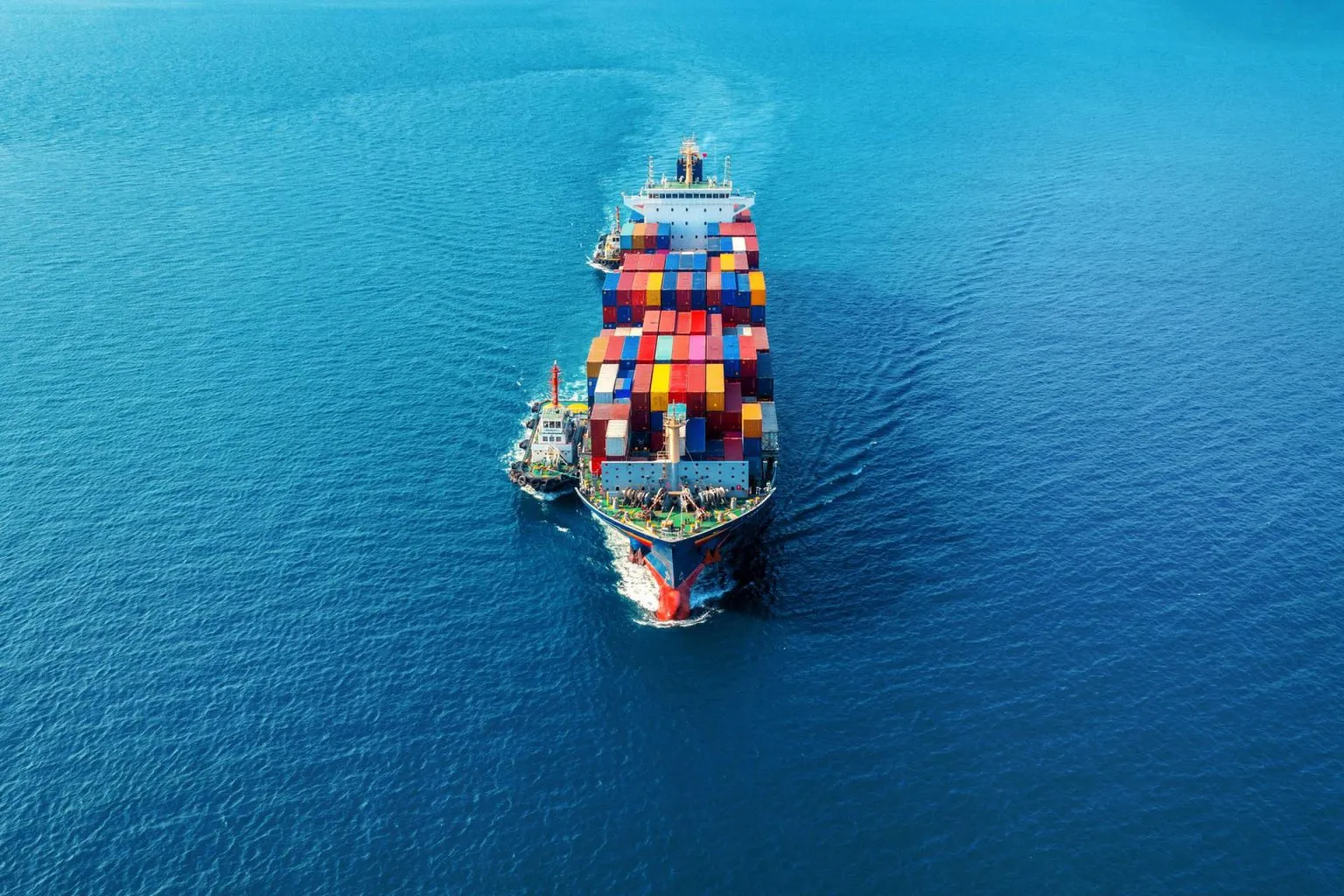
At its simplest, cargo pooling is the practice of combining freight from several shippers so that it moves as a shared load. The most familiar version is less-than-container-load (LCL) ocean freight, where a consolidator gathers smaller shipments bound for the same destination and packs them into one container. Pooling also shows up in shared truckload programs, consolidated air freight, and multi-client warehouse and distribution arrangements.
The economics are easy to grasp. A full container has a fixed cost regardless of whether it is half empty or packed to the doors. When one shipper fills only a portion of that space, the cost per unit climbs. When several shippers fill it together, the same fixed cost is spread across more cargo, and everyone's per-unit price drops.
The budget benefits go well beyond the freight rate itself. Consider what changes when you shift toward a pooled model.
Costs become more variable and less fixed. Traditional shipping often requires you to commit to volumes, book full containers, or maintain contracts with minimum thresholds. Pooling lets you ship smaller quantities more often without paying a penalty for being small. That converts a chunk of your fixed logistics spend into variable spend, which is exactly what finance teams want when forecasts are uncertain.
Inventory becomes leaner. If the only economical way to ship is in large batches, you end up ordering large batches. That means more stock sitting in a warehouse, more capital tied up, and more risk if demand shifts. Pooling makes smaller, more frequent replenishment realistic, which frees working capital.
Risk is distributed. When you are one of many shippers on a consolidated load, you are not solely responsible for the cost of an underfilled container or a missed sailing. The group absorbs a share of the inefficiency.
None of this means pooling is a magic fix. Transit times can be slightly longer because consolidation and deconsolidation take time, and you have less control over the exact departure schedule. The trade-off is worth understanding up front. For many businesses, especially those shipping goods that are not extremely time-sensitive, the savings and flexibility clearly outweigh a few extra days.
Why Drayage Shipping Services Are the Hidden Lever
When companies analyze freight budgets, they tend to focus on the ocean or air leg because it is the largest and most visible number. But the short movement that happens on either side of that long journey is where budgets quietly leak. That movement is drayage.
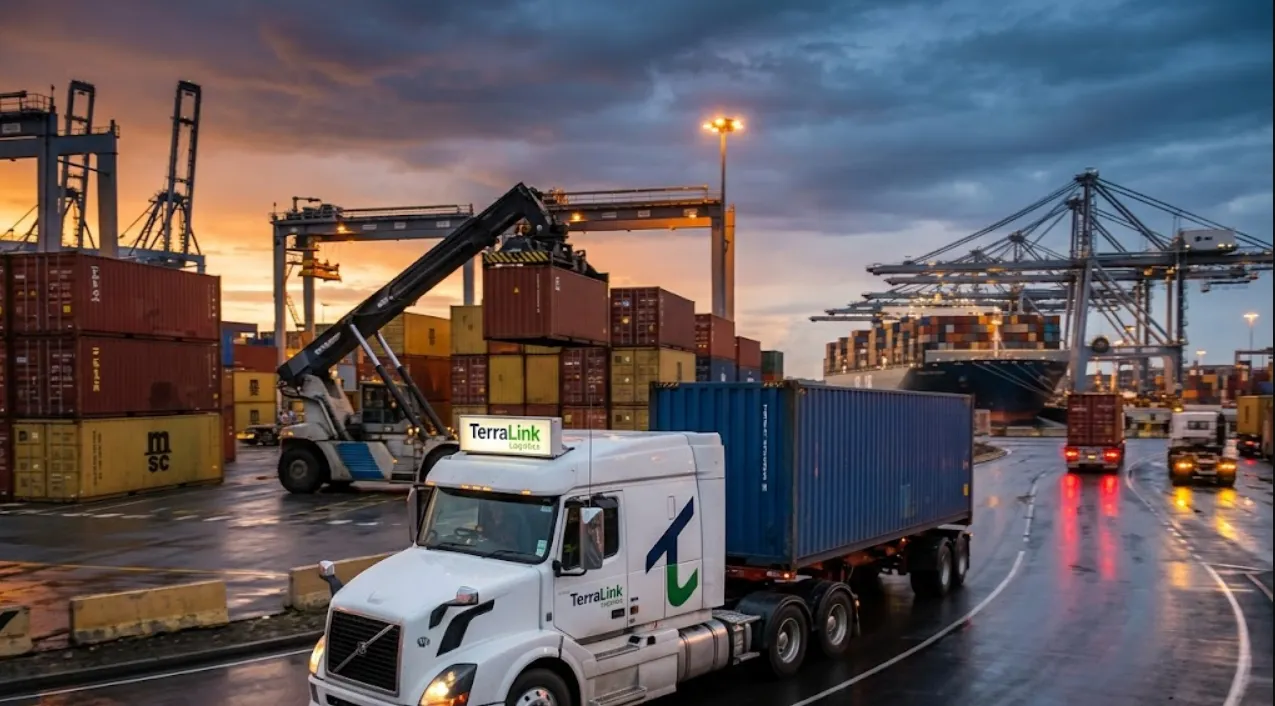
Drayage shipping services cover the short-haul trucking of containers between ports, rail ramps, warehouses, and distribution centers. A container arrives at the terminal, and someone has to collect it, get it through the gate, haul it to your facility or a consolidation hub, and return the empty equipment on time. It sounds simple, yet it generates a surprising share of unplanned costs: chassis fees, per diem charges, detention, demurrage, waiting time at congested terminals, and fuel surcharges.
This is where pooling and drayage connect in a way many shippers overlook.
Shared drayage reduces the number of trips. When multiple shippers' cargo is consolidated and moved together, one container movement serves several customers. Fewer truck dispatches for the same amount of freight means lower cost per shipment and a smaller carbon footprint.
Consolidation hubs shorten your exposure to fees. Detention and demurrage are the classic budget killers. A container that sits at the port longer than the free time allows begins accruing daily charges, and those charges escalate quickly. A pooled model with a well-run consolidation partner tends to move containers through the port faster because the partner manages appointments, pre-pulls, and returns as part of a routine operation rather than a one-off scramble.
Predictable rates make forecasting easier. Experienced providers of drayage shipping services can build structured pricing around your lanes and volumes, including clear rules about wait time, chassis usage, and accessorial charges. When you understand those rules in advance, you stop treating drayage as a wildcard and start treating it as a line you can plan.
There is also a practical point about service quality. Drayage is a local business at its core. Terminal rules, gate hours, driver availability, and congestion patterns differ from port to port. A provider that knows the local terrain can save you days and dollars. When you evaluate pooling partners, ask specifically how they handle drayage: whether they use their own fleet or a vetted network, how they manage appointment scheduling, and what visibility they offer once your container leaves the vessel.
Treat drayage as a strategic piece of your cost structure, not an afterthought. In a pooled program, it often becomes the difference between savings that look good on paper and savings that show up in your actual invoices.
How International Freight and Forwarding Services Make Pooling Scalable
Pooling only works well when someone is coordinating the moving parts, and that is the job of a capable forwarder. International freight and forwarding services connect the pieces of a global shipment: booking space with carriers, preparing documentation, handling customs clearance, arranging insurance, and managing the handoff between ocean, air, rail, and road.
For a pooled program, the forwarder does something even more valuable. It aggregates demand. By combining volume from many clients, a forwarder can negotiate better rates and secure more reliable space than any single small or mid-sized shipper could on its own. You are effectively borrowing the purchasing power of the entire pool.
That has direct consequences for scalability.
You can grow without renegotiating everything. As your volume increases, a strong forwarder can move you from a shared LCL arrangement toward partial or full container shipments without you having to rebuild your logistics setup. The relationship, the documentation, and the tracking systems stay the same while the capacity behind them changes.
You can scale down just as easily. Seasonal businesses know that peak and off-peak volumes can differ enormously. With a rigid contract, the off-season becomes expensive. With international freight and forwarding services built around pooled capacity, you simply ship less and pay less, without breaching a commitment.
Compliance is handled by people who do it daily. Customs rules, tariff classifications, and documentation requirements change often, and mistakes are costly. A forwarder who handles this every day reduces the risk of delays, fines, and held cargo, all of which wreck budgets. When several shippers share one container, correct paperwork matters even more, because a problem with one shipment can slow down the whole load.
Visibility improves. Modern forwarders offer tracking portals, milestone alerts, and consolidated reporting. That data is more than a convenience. It lets you spot patterns, such as which lanes consistently run over budget, which suppliers cause delays, and where you could consolidate more aggressively.
The key is choosing a partner that treats pooling as a core capability rather than a side product. Ask how often they consolidate on your trade lanes, how they handle cargo that arrives late to the consolidation warehouse, and how transparent they are about the way shared costs are allocated. A reputable provider will answer these questions plainly.
Practical Ways to Build Budget Flexibility With Pooled Cargo
Understanding the concept is one thing. Putting it to work is another. Here are the steps that tend to produce the most reliable results.
Start With an Honest Look at Your Current Costs
Before changing anything, pull twelve months of freight data and separate it into categories: ocean or air freight, drayage, port and terminal fees, customs and documentation, warehousing, and accessorial charges. Many businesses discover that their real cost per unit is higher than they believed because drayage and accessorial fees were buried in general logistics accounts. You cannot improve a number you cannot see.
Identify Which Shipments Are Good Candidates for Pooling
Not every shipment belongs in a shared load. Good candidates usually share a few traits: moderate volumes that do not fill a container, predictable product characteristics, flexible delivery windows, and recurring routes. Time-critical shipments, oversized cargo, and goods with special handling needs may still require dedicated capacity. A sensible approach is to pool the steady, replenishment-type freight and reserve dedicated options for the exceptions.
Build a Blended Strategy
The strongest programs rarely rely on one method alone. A blended approach might combine pooled LCL shipments for regular replenishment, full container loads when a big order justifies it, and expedited options for emergencies. Because your international freight and forwarding services provider can manage all of these under one roof, you can shift volume between modes as conditions change. That flexibility is the budget benefit in practice: you are no longer locked into one cost structure.
Negotiate Terms That Reward Flexibility
When talking to providers, focus on more than the headline rate. Ask about free time at terminals, how drayage shipping services are priced for waiting and re-delivery, how consolidation cutoffs work, and what happens if your cargo misses a sailing. A slightly higher base rate with generous terms and clear accessorial pricing often beats a low quote loaded with exceptions.
Use Data to Refine the Program
Pooling is not a set-and-forget strategy. Review performance every quarter. Track cost per cubic meter or per pallet, average transit time, on-time performance, and the frequency of unplanned fees. Compare these against your baseline. If a lane is underperforming, adjust the consolidation schedule or the partner. If a lane is thriving, consider increasing volume there.
Plan Cash Flow Around Smaller, More Frequent Shipments
One of the quieter advantages of pooling is what it does for cash flow. Instead of a large, infrequent freight payment tied to a big container, you have smaller, regular payments aligned with your actual replenishment cycle. That is easier to forecast and easier on working capital, particularly for growing companies where every dollar has several competing uses.
Watch for Common Pitfalls
Pooling has its own traps. Underestimating consolidation lead times can lead to stockouts. Poor packaging can cause damage in shared containers, so invest in proper palletizing and labeling. Unclear liability terms can create disputes when something goes wrong. And choosing a partner purely on price often results in hidden fees later. A short list of well-vetted providers, with references and a trial shipment, is a much safer route than chasing the lowest quote.
The Bigger Picture: Resilience as a Budget Strategy
Budget flexibility is not only about saving money on a normal day. It is about how well your cost structure holds up when something unexpected happens. Port congestion, carrier schedule changes, sudden tariff shifts, and demand spikes all put pressure on freight budgets, and businesses with rigid arrangements feel that pressure most.
Pooled models spread that pressure. Because your forwarder is managing many shippers' freight together, it has more options for rerouting, rebooking, or shifting cargo between services when disruption hits. Because your drayage partner runs a steady flow of containers rather than isolated jobs, it is better positioned to keep trucks and appointments moving. In effect, the pool gives you access to resilience that a lone shipper would struggle to build alone.
This matters especially for small and mid-sized companies. Large enterprises negotiate directly with carriers and maintain their own logistics teams. Smaller businesses often pay more per unit and have less leverage when things go wrong. Pooling narrows that gap by letting you ride on shared strength.
Conclusion: Make Your Freight Budget Work for Your Growth
Freight will always involve some uncertainty, but your cost structure does not have to amplify it. Scalable cargo pooling turns rigid, volume-dependent shipping expenses into something more adaptable. Well-run drayage shipping services keep the short but expensive first and last miles under control, while reliable international freight and forwarding services provide the aggregated buying power, compliance support, and visibility that make pooling work at scale.
The businesses that benefit most are the ones that approach it deliberately. They audit their real costs, decide which shipments suit shared capacity, choose partners for transparency rather than just price, and review results regularly. Over time, they gain what every operations and finance team wants: predictable spending, healthier cash flow, and the freedom to grow without their logistics costs growing faster.




























Sign in to leave a comment.