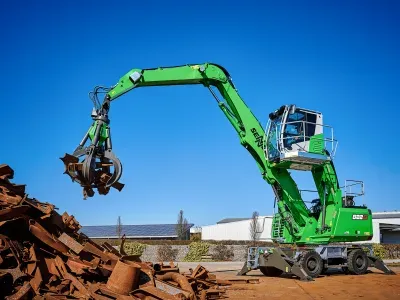

Finding reliable equipment at the right price is an important part of running a recycling or waste management business. Used recycling machinery sourcing can help businesses access proven equipment while keeping investment costs under control. From shredders and screeners to crushers and compost turners, pre-owned machinery can support a wide range of recycling operations. However, choosing the right equipment requires careful consideration of its condition, specifications, previous use, availability of spare parts, and suitability for the intended application.
What Is Used Recycling Machinery Sourcing?
Used recycling machinery sourcing involves identifying, evaluating, purchasing, and supplying previously owned equipment for recycling, waste processing, construction, composting, and related applications.
Instead of purchasing brand-new machinery, businesses can explore quality used equipment that has already been operated in commercial environments. Depending on the machine’s age, condition, brand, specifications, and maintenance history, used machinery can provide a practical solution for businesses looking to expand their operations or replace existing equipment.
The process is more than simply finding a second-hand machine. Proper sourcing involves understanding the buyer’s requirements and matching them with suitable equipment.
Why Businesses Consider Used Recycling Machinery
Recycling machinery can represent a significant investment. New equipment may involve substantial purchasing costs, transportation expenses, installation requirements, and other associated investments.
Used machinery can provide an alternative for businesses that need capable equipment without necessarily purchasing new units. A suitable pre-owned machine may offer the functionality required for a particular operation while allowing the business to manage its equipment budget more effectively.
Used machinery can also be useful for businesses that want to:
- Expand existing recycling capacity
- Replace older equipment
- Add a new processing capability
- Test a new recycling process
- Increase production capacity
- Set up operations with controlled capital expenditure
- Obtain equipment that may no longer be readily available as a new model
The key is to focus on suitability and condition rather than simply selecting the cheapest available machine.
Types of Used Recycling Machinery Available
The recycling industry uses many different types of machinery, with each machine performing a specific role within the processing system.
Shredders
Shredders are commonly used to reduce the size of various waste materials. Depending on their design, they can process materials such as wood, plastics, green waste, and other recyclable materials.
When sourcing a used shredder, businesses should consider the machine’s processing capacity, rotor condition, cutting system, engine or motor specifications, and previous application.
Screeners
Screeners separate materials according to size and are widely used in recycling, composting, aggregate processing, and waste management.
The right used screener depends on the type of material being processed, required output size, throughput requirements, and operating environment.
Crushers
Crushers are designed to reduce larger materials into smaller and more manageable sizes. They can be used in construction, demolition, aggregate, and recycling applications.
When purchasing a used crusher, checking wear parts, crushing components, operating hours, maintenance records, and overall structural condition is particularly important.
Compost Turners
Compost turners are designed to mix and aerate organic material during the composting process. They can help create more consistent composting conditions and support efficient processing of organic waste.
Businesses looking for used compost equipment should consider the machine’s working width, capacity, operating condition, previous use, and compatibility with the site’s composting process.
What to Check Before Buying Used Machinery
Used equipment should always be assessed carefully before a purchase is completed. A machine may look good externally while requiring significant maintenance internally.
One of the first things to check is the machine’s overall condition. Look for visible damage, excessive wear, corrosion, leaks, unusual modifications, and signs of poor maintenance.
Operating hours can also provide useful information. However, operating hours should not be considered in isolation. A well-maintained machine with higher operating hours may be more suitable than a poorly maintained machine with fewer hours.
Maintenance history is another important factor. If service records are available, they can provide information about repairs, component replacements, servicing schedules, and previous issues.
Businesses should also inspect major wear components. Depending on the machine, these may include cutting tools, screens, bearings, belts, hydraulic components, tracks, rollers, or crushing components.
Matching Machinery to Your Application
One of the most important parts of sourcing used recycling machinery is choosing equipment that matches the actual application.
Before purchasing, businesses should clearly define:
- The material to be processed
- Expected material volume
- Required processing capacity
- Desired output size
- Available space
- Power requirements
- Transportation requirements
- Existing equipment compatibility
- Maintenance capabilities
For example, a machine designed primarily for processing green waste may not be appropriate for a business handling heavy construction materials. Similarly, a machine with a high theoretical capacity may not be suitable if the site does not have the necessary supporting equipment.
Understanding the complete processing operation helps buyers select machinery based on practical requirements rather than specifications alone.
The Importance of Machine History
A machine’s history can provide valuable insight into its expected performance.
When possible, buyers should ask about the machine’s previous application, location, operating hours, maintenance history, and reason for sale. Information about previous ownership can also help determine whether the machine was used under demanding conditions.
For example, equipment that operated continuously in a high-volume facility may have experienced considerably more wear than machinery used intermittently.
A transparent machinery supplier should be able to provide as much relevant information as reasonably available. Photographs, specifications, inspection information, and maintenance documentation can make the sourcing process easier.
Spare Parts and Maintenance Support
Availability of spare parts is another consideration when purchasing used recycling machinery.
Even a well-maintained machine will eventually require replacement components. Before purchasing, businesses should determine whether commonly required parts are still available and whether suitable aftermarket alternatives exist.
It is also useful to understand how easily the machine can be serviced. Equipment that requires specialist technicians or difficult-to-source components may create additional costs and downtime.
A reliable sourcing process therefore considers the machine’s future maintenance requirements, not just the initial purchase price.
Transportation and Export Considerations
Used recycling machinery is often purchased across regions or internationally. This means transportation and logistics need to be considered from the beginning.
The dimensions and weight of the equipment can influence transportation costs. Some machinery may need to be dismantled before shipping, while other equipment can be transported as a complete unit.
For international purchases, businesses may also need to consider export documentation, customs requirements, shipping arrangements, and destination-country regulations.
Working with an experienced machinery supplier can simplify many of these considerations and help ensure that the equipment is prepared appropriately for transportation.
Why Supplier Experience Matters
The quality of the sourcing process depends significantly on the supplier.
An experienced used machinery supplier can help buyers identify suitable equipment based on their application, budget, and operational requirements. Suppliers with established industry networks may also have access to machinery from different locations and sources.
This can be particularly useful when a buyer is looking for a specific type, model, capacity, or configuration that may not be readily available in the local market.
A dependable supplier should focus on clear communication, accurate equipment information, practical guidance, and reliable service throughout the purchasing process.
Supporting the Circular Economy
Choosing suitable used machinery can also contribute to a more circular approach to industrial equipment.
Instead of equipment being discarded when its original owner no longer requires it, properly maintained machinery can be reused by another business. Extending the useful life of equipment can help make better use of existing resources.
For recycling and waste management businesses, this approach can be especially relevant because their operations already focus on recovering value from materials that might otherwise become waste.
However, sustainability should still be balanced with machine efficiency, safety, operating costs, and suitability for the intended application.
Making a Practical Purchasing Decision
Before finalising a used machinery purchase, buyers should create a checklist covering technical, financial, and operational factors.
Consider the machine’s:
- Condition — Check for wear, damage, corrosion, and mechanical issues.
- Specifications — Confirm capacity, dimensions, power, and configuration.
- History — Review previous use and available maintenance information.
- Compatibility — Ensure it suits the materials and processing requirements.
- Parts availability — Check access to replacement components.
- Transportation — Calculate shipping and handling requirements.
- Operating costs — Consider fuel, electricity, servicing, and consumables.
- Supplier reliability — Choose a supplier that provides accurate and useful information.
Taking these factors into account can help businesses avoid unexpected expenses and select equipment that supports their long-term operational needs.
Conclusion
Used recycling machinery sourcing can provide businesses with access to practical equipment for recycling, waste management, composting, construction, and material processing applications. Shredders, screeners, crushers, compost turners, and other pre-owned machinery can support business operations when they are carefully selected and properly assessed.
The most important consideration is not simply the purchase price. Machine condition, specifications, previous use, maintenance history, spare parts availability, transportation, and application suitability all play a role in making an informed decision.
For businesses looking for dependable used recycling equipment, working with an experienced supplier can make the sourcing process more straightforward. OVS Recycling Ltd focuses on sourcing, buying, selling, and exporting reliable used recycling and waste management machinery, helping businesses explore equipment solutions suited to their operational requirements.























Sign in to leave a comment.