

Living with uterine fibroids can be different for everyone. Some people have small fibroids that never cause noticeable symptoms, while others may experience heavy periods, pelvic pressure, abdominal discomfort, or frequent trips to the bathroom. When these symptoms begin affecting normal routines, learning about available treatment choices can be an important step.
Uterine Fibroid Embolization is one procedure used to treat symptomatic uterine fibroids. It is minimally invasive and works by reducing the blood supply to the fibroids rather than removing them through traditional surgery.
Why Fibroid Symptoms Can Be Difficult
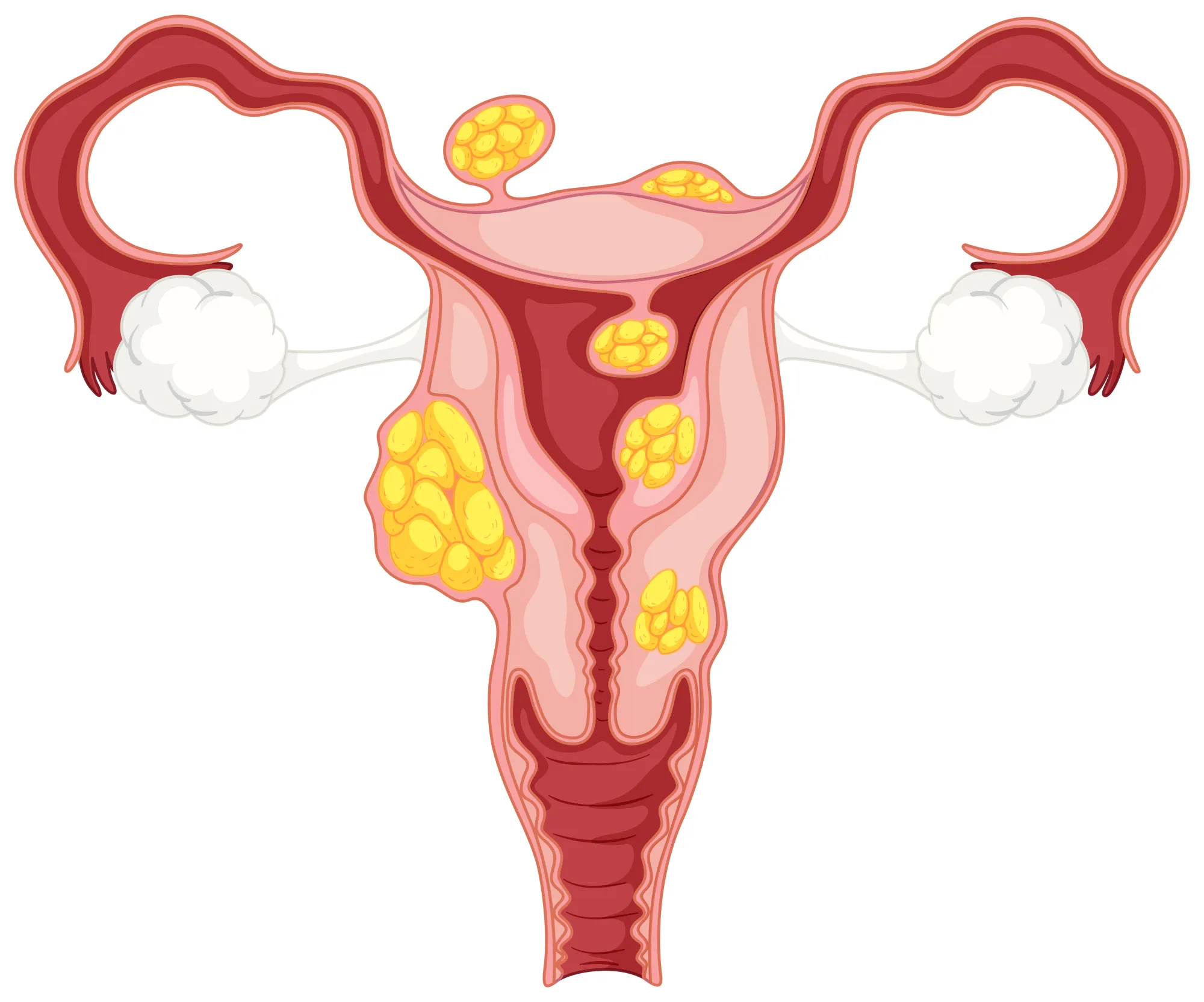
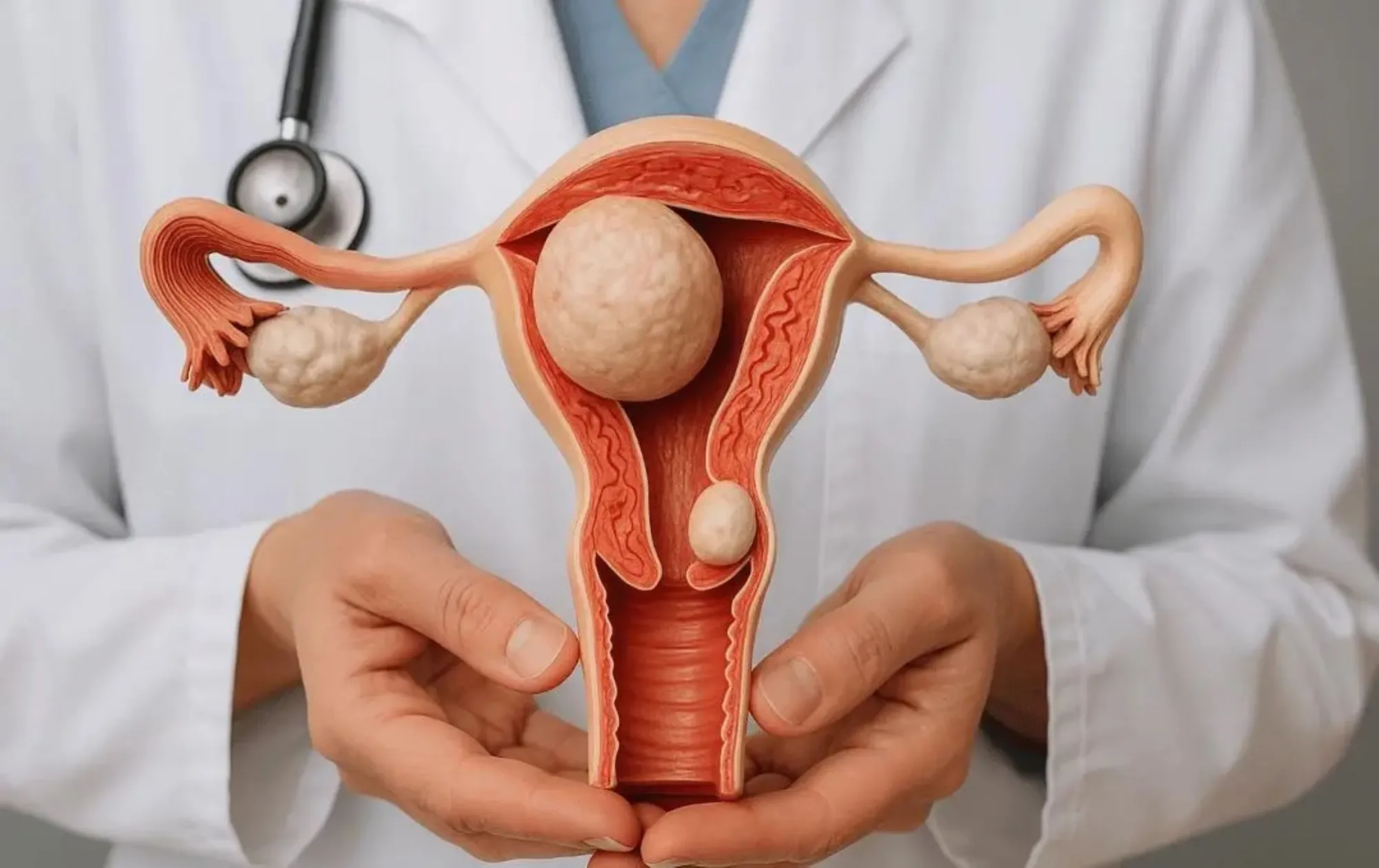
The effect of a fibroid often depends on where it develops and how large it becomes.
For example, a fibroid located near the bladder may contribute to frequent urination. A different fibroid may be associated with heavy or prolonged menstrual bleeding. Some people may notice pelvic heaviness or pressure instead.
Symptoms can also change over time. This is why discussing new or worsening symptoms with a healthcare professional is important.
How UFE Approaches Fibroids
Fibroids require a blood supply to grow. UFE takes advantage of this characteristic by reducing the amount of blood reaching the fibroid.
During the procedure, an interventional radiologist uses a thin catheter to reach the arteries supplying the uterus. Small particles are then introduced through the catheter to decrease blood flow to the fibroid.
With reduced blood flow, the treated fibroid can gradually shrink.
The procedure does not involve removing the uterus, and it does not require a large abdominal incision.
What Happens During UFE?
Although every procedure is individualized, the general process follows several steps.
First, the patient is prepared and given medication to help with comfort. The doctor then makes a small entry point into a blood vessel, often through the wrist or upper thigh.
Using imaging technology, the catheter is guided toward the arteries that supply the uterus. Once it reaches the appropriate vessels, embolic particles are delivered.
After the blood flow to the targeted fibroids has been reduced, the catheter is removed and the access site is treated.
The medical team then monitors the patient during the early recovery period.
What Can Recovery Feel Like?
Recovery is an important part of the UFE experience. Some people experience cramping or pelvic discomfort after the procedure. Temporary tiredness, nausea, or a mild fever may also occur.
These symptoms can usually be addressed with the medications and instructions provided by the healthcare team.
Recovery is not identical for everyone. One person may feel ready for light activities relatively soon, while another may need more time to regain their usual energy.
Following the recommended activity and medication instructions can help make the recovery period more manageable.
When Might Symptoms Improve?
The effect of UFE is not necessarily immediate. The treated fibroids gradually respond to the reduced blood supply and may become smaller over time.
As this happens, symptoms related to the fibroids may also change.
Consider someone whose main concern is pelvic pressure caused by a larger fibroid. If the fibroid decreases in size, the pressure may become less noticeable. Someone whose primary symptom is heavy menstrual bleeding may instead monitor changes in their periods.
The timing and degree of improvement can vary from one person to another.
What Is Considered Before Treatment?
A healthcare professional may review several details before recommending a treatment approach.
These can include:
- The number of fibroids
- Their size and location
- Current symptoms
- Previous treatments
- Overall medical history
- Individual treatment preferences
Imaging can provide useful information about the uterus and fibroids. This information can then be considered alongside the patient's symptoms and medical history.
UFE Compared With Removing Fibroids
One important difference between UFE and surgical approaches is how the fibroids are addressed.
Some surgical procedures physically remove fibroids or the uterus. UFE takes a different approach by reducing blood flow to the fibroids.
This distinction is one reason patients may want to understand the details of each treatment before making a decision with their healthcare provider.
There is no single approach that applies to every person with fibroids, so individual evaluation remains important.
Preparing for a Consultation
A little preparation can make a medical appointment more useful. Patients can write down their symptoms, how long they have been occurring, and whether they affect work, sleep, exercise, or other daily activities.
It can also help to prepare questions such as:
- What is causing my symptoms?
- How many fibroids do I have?
- Where are they located?
- What treatment choices may be suitable?
- What should I expect after treatment?
- How will my progress be followed?
Clear questions can help patients better understand their situation.
Finding Reliable Information
Searching for information about fibroids can sometimes become confusing because different treatments work in different ways. Learning the basics from reliable medical resources can help patients prepare for a conversation with a healthcare professional.
USA Fibroid Centers provides information about uterine fibroids and minimally invasive treatment approaches, including UFE. Patients can use educational resources to understand the procedure and prepare questions before discussing their individual circumstances with a medical provider.
A Treatment That Focuses on the Fibroid's Blood Supply
Uterine Fibroid Embolization offers a minimally invasive way to address symptomatic fibroids by reducing their blood supply. Rather than physically removing the fibroid, the procedure is designed to help it shrink over time.
The right treatment depends on the individual's symptoms, fibroid characteristics, medical history, and other considerations. Speaking with a qualified healthcare professional is the best way to understand whether UFE may be appropriate and what other options may be available.













Sign in to leave a comment.