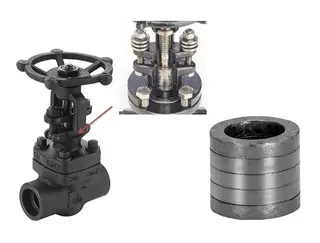

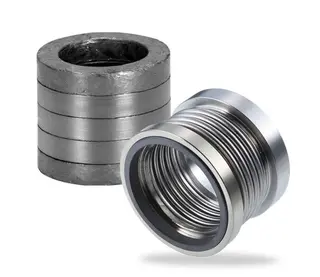
In industrial production, valves are essential components, and graphite packing plays a critical role in ensuring reliable sealing and long service life. The condition of valve graphite packing directly affects valve performance, safety, and operational efficiency. Knowing when the packing needs to be replaced—and how to replace it correctly—is vital for maintaining stable equipment operation.
This article explains how to identify when valve graphite packing should be replaced and provides a step-by-step guide for proper replacement.
When Should Valve Graphite Packing Be Replaced?
As a primary sealing element, graphite packing must maintain good elasticity, structural integrity, and chemical stability. Timely evaluation and replacement help prevent leakage, equipment damage, and safety risks.
1. Visual Inspection
Wear and Deformation
Inspect the packing surface for visible wear, such as thinning, roughness, scratches, or uneven contact. In valves that are frequently operated, friction between the packing and valve stem can gradually damage the sealing surface. Deformation—such as swelling, twisting, shrinkage, or loss of shape—also compromises sealing performance. High-temperature operating conditions, in particular, can cause thermal deformation of the packing.
Aging and Cracking
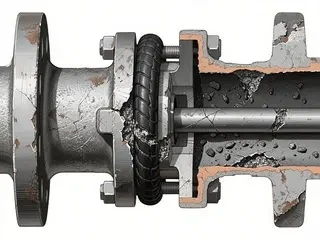
Check for signs of material aging, including discoloration, hardening, brittleness, or surface cracking. Aging occurs as the packing is exposed to temperature, pressure, chemical media, and mechanical stress over time. Cracks significantly weaken the packing structure and reduce sealing effectiveness. Once severe aging or cracking is observed, replacement is recommended.
Corrosion and Contamination
Examine the packing for corrosion, chemical attack, or contamination by process media. In corrosive environments—such as chemical processing systems—acids, alkalis, or solvents can degrade graphite packing. Dirt, solid particles, or medium deposits on the packing surface can also impair sealing and should be treated as a sign for replacement.
2. Performance Indicators
Leakage
Leakage is one of the most direct indicators of packing failure. Look for dripping, seepage, vapor escape, or unusual odors around the stuffing box. Even minor leakage can worsen over time. In pressurized systems, unexplained pressure loss—after excluding other leakage sources—often points to deteriorated packing.
Abnormal Temperature Rise
If the temperature at the packing area is noticeably higher than normal, it may indicate excessive friction between the packing and the valve stem or heat generated by leakage throttling. Both conditions suggest that the packing may be worn or improperly installed.
Flow Rate Abnormalities
Unexpected changes in flow rate, such as reduced or unstable flow, may also be linked to packing failure—especially when pipeline blockage or valve positioning issues have been ruled out.
3. Operational Feedback
Increased Operating Torque
A sudden increase in valve operating force often indicates excessive friction caused by hardened, aged, or over-compressed packing. If adjusting the packing gland does not restore smooth operation, the packing should be replaced.
Abnormal Noise
Unusual sounds—such as scraping, sticking, or knocking—during valve operation may result from uneven packing installation, insufficient clearance, or excessive wear between the packing and valve stem.
Steps for Replacing Valve Graphite Packing
Once replacement is confirmed, the procedure must be carried out carefully to ensure reliable sealing and long-term performance.
1. Preparation
Replacing graphite packing requires proper tools and strict adherence to safety procedures. Before starting, ensure all necessary equipment is available, including:
- Packing extractors
- Packing cutters and calibrated ring cutters
- Torque wrench or standard wrenches
- Internal and external calipers, vernier calipers
- Fastener lubricant
- Safety helmet and protective equipment
Always follow site safety regulations and confirm that the system is fully depressurized.
2. Removing the Old Packing
Slowly loosen the gland nuts to release residual pressure from the stuffing box. This step is critical to prevent sudden leakage or injury. Carefully remove all old graphite packing using packing extractors, taking care not to damage the valve stem or stuffing box surfaces.
Clean the stuffing box thoroughly. Inspect the valve stem for corrosion, scoring, dents, or excessive wear. Also check the stuffing box and gland for burrs, cracks, or damage, as these defects can shorten the life of the new packing. Severely damaged components should be repaired or replaced.
Examine the removed packing to identify the cause of failure. Understanding premature wear or degradation helps prevent repeat issues after installation.
3. Measurement and Packing Selection
Accurately measure and record:
- Valve stem diameter
- Stuffing box inner diameter and depth
- Distance to the sealing or water-seal ring (if applicable)
Use these measurements to determine the correct packing cross-section and number of rings. Ensure the selected graphite packing is suitable for the operating pressure, temperature, and media. Before installation, verify that both the packing and valve components are clean and free of defects.
4. Installing New Graphite Packing
Apply a thin, even layer of lubricant—such as graphite powder or molybdenum disulfide grease—to the valve stem and packing surfaces. This reduces friction, aids installation, and improves sealing performance.
Insert the graphite packing rings into the stuffing box one at a time. After placing each ring, compress it evenly using a suitable tool to ensure proper seating against the stem and stuffing box wall. Align the packing winding direction with the valve stem rotation to prevent loosening during operation.
For multiple rings, stagger the joints by 90° or 180° to eliminate direct leakage paths. After all rings are installed, refit the gland and tighten the nuts evenly. Avoid overtightening, as excessive compression increases friction and accelerates wear. A gradual tightening–loosening–final adjustment process is recommended.
5. Inspection and Testing
Manually operate the valve to confirm smooth movement without sticking or excessive resistance. If operation feels abnormal, recheck packing alignment and gland compression.
Conduct sealing tests using hydrostatic or pneumatic pressure. With the valve closed, pressurize the system and observe the packing area for leakage. If leakage occurs, identify the cause and adjust or reinstall the packing as necessary.
Make final gland adjustments based on test results. If minor leakage remains, tighten the gland nuts slightly—always avoiding excessive force that could damage the packing or valve stem.
Conclusion
Proper evaluation and replacement of valve graphite packing are essential for reliable valve performance and safe industrial operation. By recognizing the signs of packing failure and following correct replacement procedures, you can significantly extend valve service life, reduce downtime, and minimize safety risks.It's important to know about Google SEO to help your website rank higher in search results.

























Sign in to leave a comment.