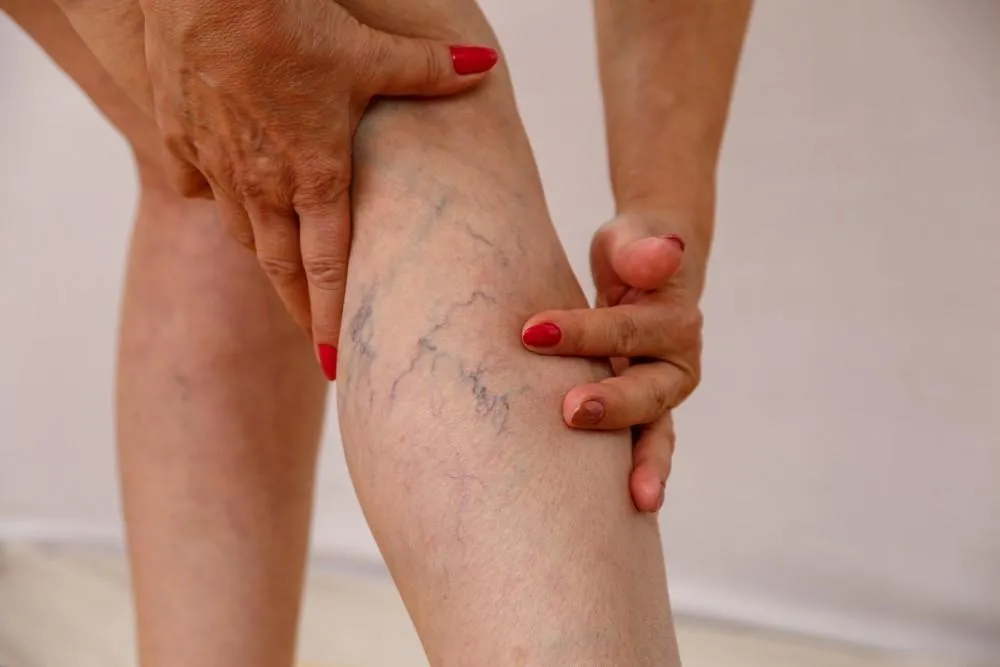


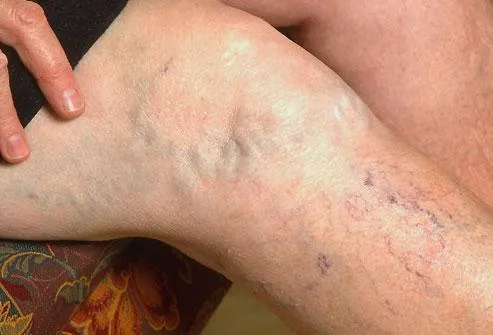
Varicose veins become increasingly common as people get older. They often appear as enlarged, twisted, or raised veins beneath the skin, particularly on the legs. For some people, they may remain primarily a cosmetic concern, while others can experience aching, swelling, heaviness, itching, or skin changes.
Age is one of several factors that can affect vein health. As the body ages, changes in the vein walls and valves can make it harder for blood to travel efficiently from the legs back toward the heart. Understanding these changes can help people recognize symptoms and take appropriate steps to support healthy circulation.
How Do Veins Change With Age?
Veins contain small valves that help keep blood moving in one direction toward the heart. These valves open as blood moves upward and close to reduce backward flow.
Over time, the walls of veins may lose some of their elasticity, while the valves may become less effective. When the valves do not close properly, blood can flow backward and accumulate within the veins. This increases pressure inside the vessels and can contribute to enlargement.
This process is sometimes associated with chronic venous insufficiency, a condition in which the veins have difficulty returning blood efficiently from the legs.
Aging does not automatically cause venous disease, but it can increase susceptibility, especially when combined with other risk factors.
Why Are Varicose Veins More Common in Older Adults?
Several age-related changes can contribute to the development of varicose veins.
Weaker Vein Valves
The valves inside veins can become less efficient over time. If they allow blood to move backward, pressure can increase within the lower-leg veins.
Reduced Muscle Activity
Muscle movement, especially contraction of the calf muscles, helps push blood upward through the veins. People may become less physically active as they age, reducing the frequency of this natural pumping action.
Changes in Vein Elasticity
Healthy veins are flexible and able to expand and contract as blood moves through them. Aging can affect the elasticity of blood vessel walls, potentially contributing to vein enlargement.
Accumulated Risk Factors
Varicose veins can result from several factors acting together over many years. Previous pregnancies, prolonged standing, excess weight, family history, and earlier vein problems can all contribute to an individual's overall risk.
What Symptoms Should Older Adults Watch For?
Visible varicose veins are not the only sign of changing vein health. Some people develop symptoms before enlarged veins become obvious.
Common symptoms include:
- Aching or throbbing in the legs
- A feeling of heaviness or tiredness
- Swelling around the ankles
- Itching near visible veins
- Burning or tingling sensations
- Muscle cramps at night
- Skin discoloration
- Changes in skin texture
Symptoms may become more noticeable after standing or sitting for extended periods and may improve after walking or elevating the legs.
Persistent symptoms should be discussed with a healthcare professional rather than automatically being considered a normal part of aging.
Can Physical Activity Help Aging Veins?
Regular physical activity is an important part of maintaining healthy circulation at any age. Walking is particularly useful because each step activates the calf muscles and helps encourage blood flow toward the heart.
Other low-impact activities, including swimming and cycling, can also support cardiovascular fitness while keeping the legs moving.
Exercise cannot repair damaged vein valves or remove existing varicose veins. However, staying active can help manage some symptoms and reduce the amount of time blood remains pooled in the lower legs.
Older adults should choose activities appropriate for their overall health and physical abilities. Anyone with significant pain, swelling, or other concerning symptoms should discuss exercise plans with a healthcare professional.
Does Sitting for Long Periods Affect Vein Health?
Long periods of sitting can reduce movement of the calf muscles and contribute to blood pooling in the lower legs. This can be particularly relevant for older adults who spend considerable time watching television, using a computer, traveling, or resting during the day.
Simple movement breaks can help. Standing up, walking around the room, performing ankle movements, or taking a short walk every so often can encourage circulation.
The same principle applies to prolonged standing. Remaining stationary for several hours can also increase pressure in the veins.
Changing positions regularly is generally more helpful than remaining in one position for long periods.
How Does Body Weight Affect Aging Veins?
Maintaining a healthy body weight can support overall vascular health. Excess weight may increase pressure on the veins of the lower body and can make physical activity more difficult.
Weight management becomes particularly important when combined with regular movement and a balanced diet. Even small improvements in activity levels can make it easier to maintain mobility and support circulation.
Weight should not be viewed as the only factor in varicose vein development. Genetics, age, pregnancy history, occupation, and other medical conditions can also contribute.
Can Varicose Veins Cause Skin Changes?
Long-standing venous problems can sometimes affect the skin around the lower legs and ankles. Increased pressure within the veins may contribute to inflammation and changes in the surrounding tissues.
Possible skin changes include:
- Brownish or reddish discoloration
- Dryness and itching
- Thickened skin
- Changes in skin texture
- Increased sensitivity
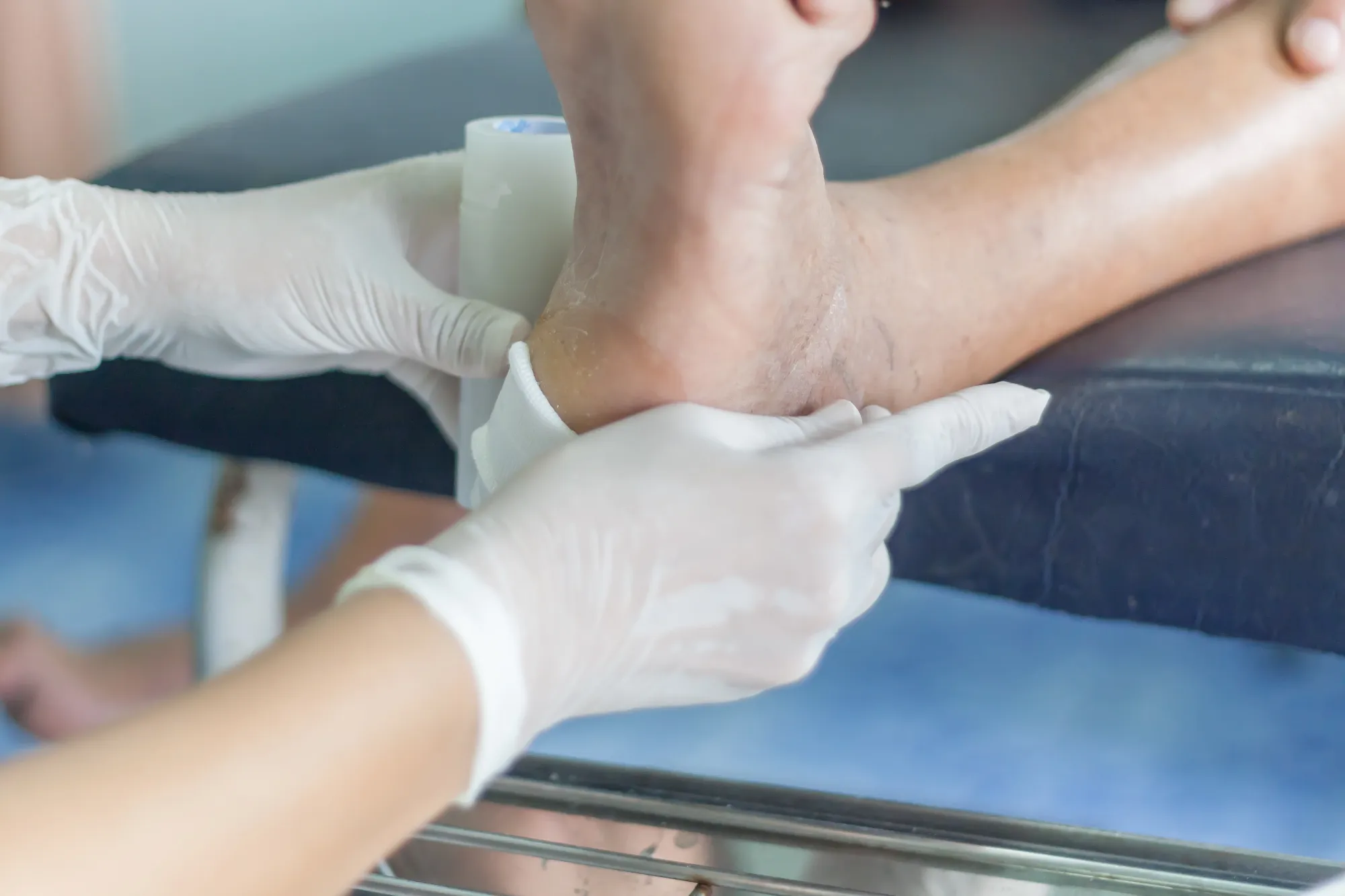
More advanced venous disease can sometimes contribute to ulcers or wounds that are slow to heal.
A persistent wound should be evaluated because delayed healing can have several causes, including vascular disease, diabetes, infection, and other medical conditions.
If a circulation-related wound develops, specialized evaluation at a Wound Care Center in Sugarland may be appropriate.
When Should You Seek a Vascular Evaluation?
Visible varicose veins without symptoms do not necessarily require immediate treatment. However, an evaluation may be appropriate when symptoms become persistent or interfere with daily activities.
You should consider discussing your symptoms with a healthcare professional if you experience:
- Increasing leg pain or heaviness
- Persistent swelling
- Significant changes in visible veins
- Skin discoloration
- Recurrent itching
- Bleeding from a varicose vein
- A wound that does not heal properly
A Vascular Surgeon in Sugarland can evaluate the symptoms and determine whether they may be associated with venous insufficiency or another vascular condition.
Depending on the individual's symptoms and examination findings, a healthcare professional may recommend duplex ultrasound imaging. This non-invasive test can assess blood flow and identify abnormal reflux within the veins.
Are Varicose Veins Always a Serious Problem?
Varicose veins are common, particularly among older adults, and they are not automatically a sign of a dangerous condition. Some people have visible veins for many years without developing significant complications.
However, certain changes should receive medical attention.
Sudden swelling, pain, warmth, redness, or tenderness in one leg can have causes that require urgent evaluation, including a possible blood clot. Significant bleeding from a varicose vein also requires prompt attention.
Similarly, skin breakdown or a wound that repeatedly fails to heal should not be ignored.
How Can Older Adults Support Better Vein Health?
While aging cannot be prevented, several daily habits can support circulation.
Stay Active
Regular walking and other suitable activities keep the calf muscles working and encourage blood movement.
Avoid Long Periods of Inactivity
Take movement breaks during extended periods of sitting or standing.
Elevate the Legs
Elevating the legs while resting may help reduce mild swelling and improve comfort.
Maintain a Healthy Weight
A balanced diet and appropriate physical activity can help reduce excess pressure on the lower-body veins.
Follow Medical Advice
People who already have vascular conditions should follow recommendations from their healthcare professionals, including guidance about compression therapy or other treatments when appropriate.
Final Thoughts
Varicose veins become more common with age because the veins and their valves can gradually change over time. Reduced elasticity, less efficient valves, lower activity levels, and accumulated risk factors can all contribute to problems with blood returning from the legs to the heart.
Although aging is unavoidable, developing significant vein symptoms should not simply be dismissed as a normal part of getting older. Regular movement, healthy lifestyle habits, attention to new symptoms, and appropriate medical evaluation can help support long-term vascular health.
Recognizing changes such as persistent swelling, aching, skin discoloration, or slow-healing wounds can help older adults seek appropriate care when necessary and better understand the condition affecting their veins.























Sign in to leave a comment.