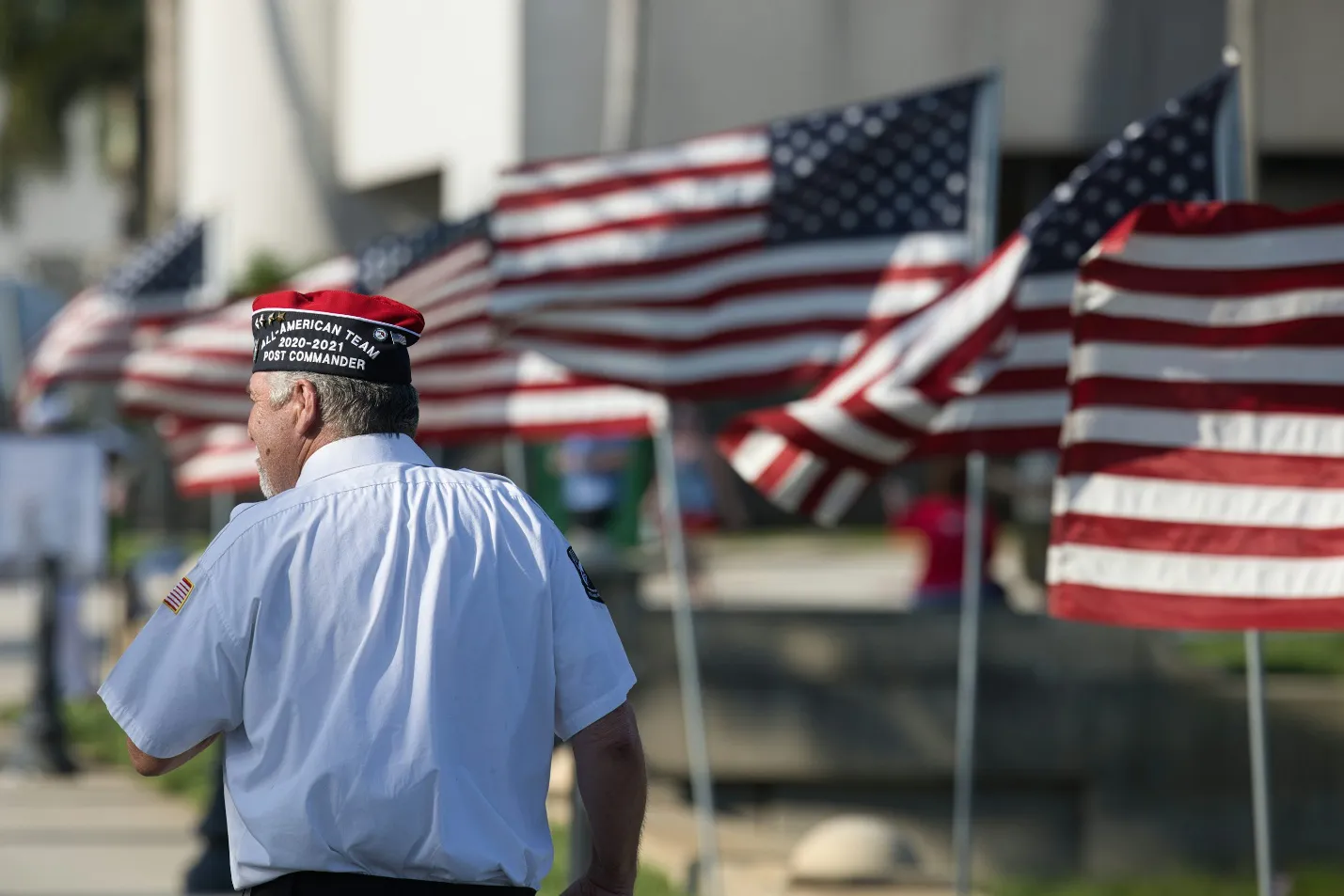

Military service asks a lot from a person. It asks it physically, mentally, and emotionally. For many veterans, the effects don't end when the uniform comes off. Chronic pain, combat trauma, and the hard transition to civilian life can shape how a person relates to substances. That relationship is easy to misunderstand from the outside.
Supporting a veteran means understanding what they've carried. It's not just about the struggle in front of you. It's about everything that led there.
Why Substance Use Can Follow Service
Veterans often face a unique mix of stressors. Physical injuries get treated with prescription medication. Post-traumatic stress often goes untreated. Sleep gets disrupted. Isolation creeps in during the return to civilian routines. For some, substances become a way to manage pain. For others, they numb feelings that never had space to be addressed. This isn't a character flaw. It's a response to real, often prolonged, strain.
Civilian life doesn't always make space for that strain. Structure disappears. Purpose can feel harder to find. Substances sometimes fill that gap, even when someone knows the cost.
Recognizing the Signs Early
Substance use after service can look different from person to person. A few patterns show up often:
- Increased reliance on medication beyond what's prescribed
- Withdrawing from family, friends, or old routines
- Trouble sleeping without alcohol or other substances
- Irritability or anger that feels disconnected from the moment
- Avoiding situations that once felt manageable
None of these signs mean someone has failed. They mean support is needed, and the sooner that support arrives, the easier the path forward tends to be.
Trauma-Informed Care Makes a Difference
Recovery works best when trauma gets treated as part of the picture. It shouldn't be a side issue. Trauma-informed approaches consider how service-related experiences shape triggers and coping patterns. They also shape trust in care providers. This might include:
- Screening for co-occurring PTSD alongside substance use
- Building treatment plans around physical pain management
- Making space for military culture and identity within care
- Offering peer support from others who understand service life
- Coordinating mental health and substance use care together
Providers who understand military culture tend to build trust faster. That trust matters. Without it, veterans disengage from care before it has a chance to help.
Substances Veterans Encounter Most Often
Service-related injuries and stress shape which substances show up most in veteran care. Prescription medications tied to pain management are common, and dependence can develop even when medication is taken exactly as prescribed.

Programs built for opioid addiction treatment needs often play a role in helping veterans manage that dependence safely. So does Benzodiazepine addiction treatment for anxiety and sleep-related prescriptions. These often sit alongside care for the emotional weight service can leave behind.
Honoring Service Through Patience, Not Pressure
Veterans may hesitate to ask for help. Sometimes that hesitation comes from a belief that struggling reflects weakness. It doesn't. It reflects the toll of what they've been through. Honoring service means meeting that hesitation with patience. It means recognizing that reaching out takes its own kind of courage.
Family members can help by staying steady. Avoid ultimatums where possible. Offer information without pressure. Sometimes the most useful thing a loved one can do is simply keep the door open.
Why Family and Community Support Matter
Recovery rarely happens in isolation. Veterans often do better with a support system that understands both military life and the recovery process. That might mean a spouse who learns about trauma-informed care. It might mean a fellow veteran who's walked the same path. Community, whether built through family, peer groups, or faith, gives recovery something to stand on beyond the treatment setting itself.
Finding the Right Level of Care
Every veteran's path looks different. Some need medically supervised withdrawal through a drug detox center program. Others need longer-term therapy that addresses trauma alongside substance use. What matters most is finding care that treats military experience as part of the whole person, not a footnote to it.
Care Built Around What You've Carried
Veterans deserve care that understands their service, not just their symptoms. Balance Recovery Network helps make that possible. They connect veterans and their families with trusted treatment facilities suited to trauma-informed care, including options for Benzodiazepine addiction treatment and opioid addiction treatment support. Their team listens first, verifies insurance, and helps build a plan that respects what each veteran has been through.
Contact Balance Recovery Network today for a confidential conversation.






























Sign in to leave a comment.