VHF Marine Radio: A Practical Guide for UK Boaters


When you are out on the water, reliable communication can make a significant difference to your safety. Whether you own a small motorboat, sail a yacht, operate a fishing vessel or manage a commercial craft, staying connected with other vessels and shore-based services is an important part of responsible boating.
Mobile phones are useful on land, but their coverage can become unreliable as you travel further offshore. This is where a VHF marine radio becomes particularly valuable. It allows boat operators to communicate with nearby vessels, coastguard stations, harbour authorities and other marine services. It can also be used to raise an alarm when an emergency occurs.
For UK boat owners, understanding how marine radios work, which features to look for and what licensing requirements apply can help when selecting onboard communication equipment. This guide explains the essentials, from fixed and handheld radios to emergency procedures and routine maintenance.
What Is a VHF Marine Radio and How Does It Work?
VHF stands for Very High Frequency. A marine radio uses designated radio frequencies to transmit and receive voice messages between vessels and authorised shore stations. It is commonly used for navigational information, routine communication and emergency calls.
Unlike a mobile phone, which relies on a mobile network, marine VHF communication takes place directly between compatible radio stations within signal range. The effective range depends on several factors, including antenna height, transmitter power, surrounding geography and weather conditions.
A VHF marine radio can help boaters:
- Contact other vessels when coordinating movements or sharing relevant information.
- Communicate with coastguard stations during emergencies.
- Receive navigational and safety information where broadcast.
- Contact marinas and harbour authorities for berthing or movement instructions.
- Request assistance when a vessel experiences difficulties.
It is important to remember that a radio is only one part of a wider onboard safety arrangement. Appropriate Marine safety equipment, crew training and a clear emergency plan are equally important.
Fixed vs Handheld VHF Marine Radio: Which Should You Choose?
Marine radios are generally available in two main formats: fixed installations and portable handheld devices. The right option depends on your vessel, sailing activities and communication requirements.
Fixed VHF Marine Radios
A fixed radio is installed on the vessel, usually near the helm or navigation station. It is commonly used on motorboats, yachts and commercial vessels that require a permanent communication system.
These radios typically connect to an external antenna mounted at a suitable height. Their installation and power arrangements can support more consistent communication than many handheld alternatives.
Many modern fixed models also include Digital Selective Calling (DSC), which allows users to send digital alerts and contact compatible stations. Some models have integrated GPS, while others connect to an external navigation system.
A fixed radio is worth considering if you regularly travel along the coast, operate a larger vessel or need communication equipment that is readily accessible from the helm.
Handheld VHF Marine Radios
Handheld radios are portable and can be carried around the vessel. They are useful on smaller boats, tenders and as an additional communication device.
Their portability makes them convenient when crew members are working away from the helm. However, battery capacity, antenna height and lower transmission power can affect their performance compared with fixed installations.
For many boat owners, a handheld radio provides useful backup communication. It should not automatically be considered a replacement for a properly selected and installed fixed radio.
Important Features to Look for When Buying a VHF Marine Radio
Choosing a radio involves more than comparing prices or display designs. Consider how you use your vessel, the areas you travel through and the features that support your communication needs.
Digital Selective Calling (DSC)
DSC allows compatible radios to send digital calls to selected stations and transmit distress alerts. When properly configured, a DSC distress alert can include the vessel's identity and position information.
This can help rescue services identify the vessel and understand where assistance is required. DSC should be treated as an important safety feature, but it depends on correct installation, registration and configuration.
GPS and MMSI Compatibility
GPS provides location information that can be transmitted through compatible DSC equipment. The Maritime Mobile Service Identity (MMSI) is a unique identification number assigned to a maritime radio station.
When a radio has GPS information and the correct MMSI programmed, a DSC distress alert can communicate important vessel details. Always check that the equipment is correctly configured and that the position information is available.
Waterproofing and Durability
Marine environments expose equipment to moisture, salt spray, vibration and changing temperatures. Look for a radio with a suitable water-resistance rating and construction designed for marine use.
For handheld devices, check the manufacturer's waterproofing specifications, charging arrangements and battery protection. For fixed equipment, pay attention to installation quality and protection of electrical connections.
Battery Life, Antenna and Communication Range
Battery performance is particularly important for handheld radios. Consider expected operating time, charging options and whether a spare battery is available.
For fixed installations, antenna position and condition influence communication performance. A suitable antenna mounted as high as practical, with secure connections and appropriate cabling, can help achieve better coverage.
Remember that no radio has a guaranteed communication range in every situation. Coastal geography, obstructions and antenna height all affect the signal.
UK VHF Marine Radio Licensing and Operator Requirements
Before using a marine radio in the UK, boat owners should understand the difference between licensing the equipment and obtaining the qualification to operate it. These are separate requirements.
Ship Radio Licence
A vessel using maritime radio transmitting equipment generally needs an appropriate Ship Radio Licence from Ofcom. The licence identifies the vessel and the radio equipment covered. A new Ship Radio Licence also provides an MMSI number where applicable.
If you purchase a boat that already has a radio licence, do not assume it automatically transfers into your name. Ofcom explains that ship radio licences are not transferable, so the new owner should apply for a licence and check the vessel's identification details.
A Ship Portable Radio Licence is another option for certain portable devices used across more than one vessel, but it has specific limitations, including restrictions relating to UK territorial waters. Check the current Ofcom guidance before choosing the appropriate licence.
Short Range Certificate (SRC)
The Short Range Certificate is the recognised operator qualification for using VHF and VHF/DSC equipment on applicable pleasure vessels. Training typically covers radio operation, routine communication, emergency procedures and the use of DSC.
The Royal Yachting Association (RYA) provides recognised training and assessment through approved centres. Completing suitable training helps operators understand how to communicate clearly and use the radio correctly.
Requirements for Commercial Vessels
Commercial vessel operators may have additional requirements depending on the vessel's size, type, operating area and applicable regulations. Some vessels require different radio equipment and operator certificates.
Fishing vessel crews, passenger vessel operators and other commercial users should check the requirements relevant to their particular operation rather than relying solely on recreational boating guidance.
Understanding Important VHF Radio Channels
Knowing which channel to use is essential for clear and responsible communication. Using the wrong channel can interfere with safety transmissions or port operations.
Channel 16: Distress, Urgency and Calling
Channel 16 is the international VHF distress and calling channel. It is used for Mayday and Pan-Pan voice calls, as well as brief initial calls before moving to an appropriate working channel. Boaters should understand when to monitor it and follow relevant local instructions.
Channel 70: Digital Selective Calling
Channel 70 is reserved for DSC digital signalling. It is not used for ordinary voice conversations. Compatible radios use it to send digital calls and distress alerts.
Routine Communication Channels
Other channels are allocated for different communication purposes, including ship-to-ship conversations and port operations. UK guidance identifies channels such as 6, 8, 72 and 77 for routine ship-to-ship communication in UK waters, subject to local requirements and operating conditions.
Always follow harbour instructions and current channel guidance. Keep Channel 16 clear for its designated safety and calling purposes, and move routine conversations to an appropriate working channel once contact has been established.
How to Make an Emergency Call Using a VHF Marine Radio
Understanding emergency procedures before leaving the harbour is important. Operators should know how to distinguish between distress, urgency and safety messages.
Mayday: Grave and Imminent Danger
A Mayday call is used when a vessel or person faces grave and imminent danger and immediate assistance is required. Examples may include a vessel sinking, a serious onboard fire or a life-threatening emergency.
For a radio equipped with DSC, the operator should send a distress alert using the designated control, following the manufacturer's instructions. A voice distress call should then be made on Channel 16.
A standard voice Mayday message includes:
- The word "Mayday" repeated three times.
- The vessel's name repeated three times.
- The vessel's call sign and MMSI, where applicable.
- The vessel's position.
- The nature of the emergency.
- The type of assistance required and the number of people on board.
Speak slowly and clearly so the receiving station can understand the information. If you do not know the exact position, provide the best available location details.
Pan-Pan: An Urgent Situation
Pan-Pan is used when a situation requires urgent attention but does not involve grave and imminent danger. Examples might include a vessel breakdown or a medical situation requiring assistance that is not immediately life-threatening.
Securité: Important Safety Information
Securité is used to broadcast important navigational or safety information. This could include a hazard to navigation or information about dangerous conditions that other vessels should know about.
These signals should never be used casually. The UK Maritime and Coastguard Agency provides procedures for small boat users, including guidance on DSC alerts and voice distress calls.
Maintaining Your VHF Radio for Reliable Performance
Even a well-chosen radio needs regular checks to remain dependable. Saltwater, moisture, vibration and general wear can affect connections and equipment performance over time.
Before heading out, check that the radio powers on, the microphone works and the display is readable. Inspect antenna connections and cables for visible damage, corrosion or loose fittings. For handheld radios, check battery condition, charging arrangements and waterproof seals according to the manufacturer's instructions.
It is also sensible to familiarise the crew with the radio's controls and emergency functions. Keep relevant vessel details, call sign and MMSI information accessible, and ensure that the equipment's configuration remains correct.
Routine checks should form part of your wider Marine safety equipment inspection rather than being treated as a separate task.
Why a VHF Radio Is an Important Part of Marine Safety Equipment
A communication system should work alongside other essential onboard safety provisions. A VHF marine radio helps crew members contact other vessels and shore-based services, but it cannot replace equipment designed to protect people physically during an emergency.
A well-prepared vessel should carry suitable Marine safety equipment based on its size, operating area, activities and applicable requirements. This may include:
- Lifejackets: Appropriate personal flotation equipment for everyone on board.
- Liferafts: Emergency survival equipment for situations where abandoning the vessel becomes necessary.
- Lifebuoys: Equipment for assisting someone who has fallen overboard.
- Flares: Visual distress signals for attracting attention when appropriate.
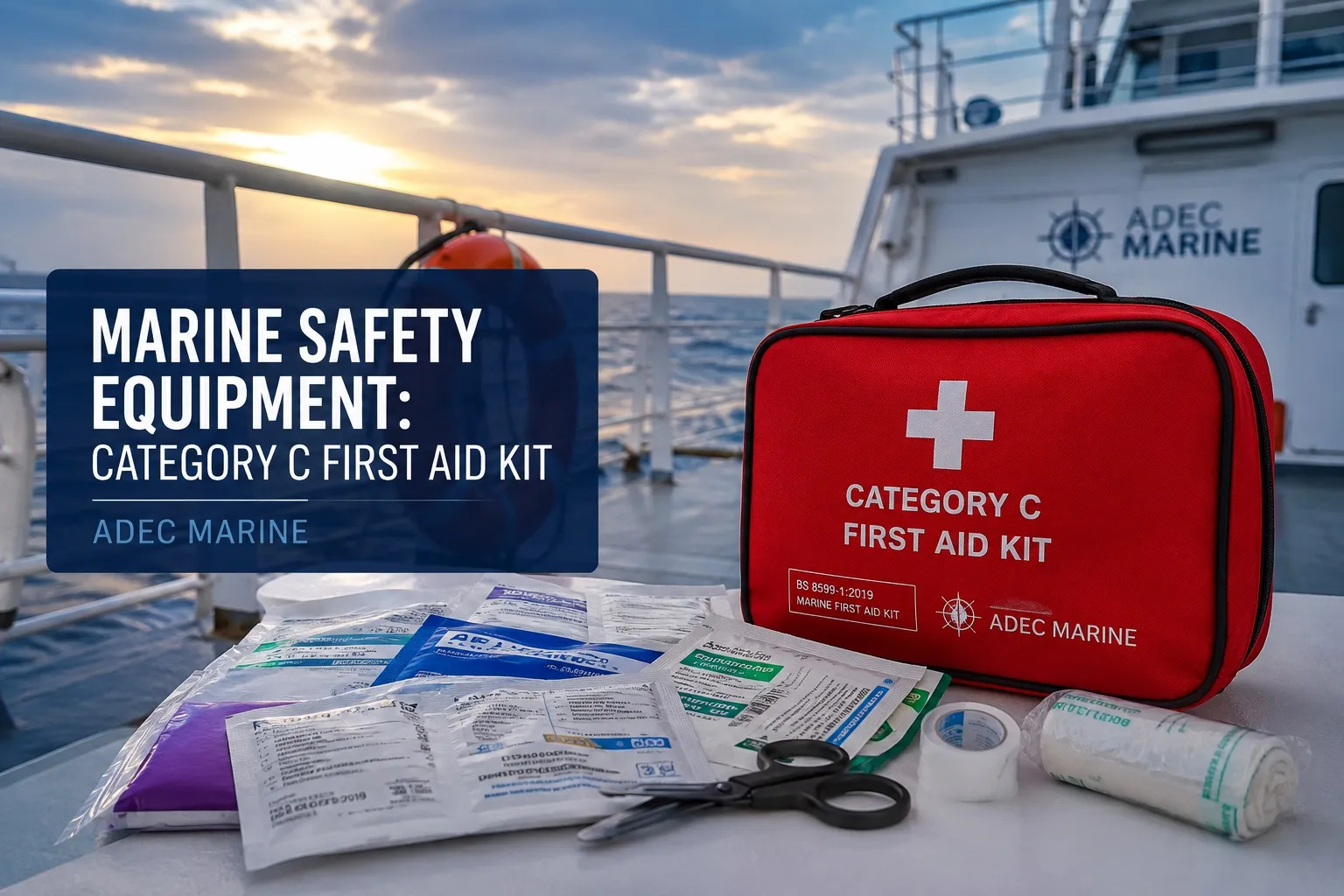
- First aid kits: Supplies for dealing with injuries and medical situations.
- Emergency beacons: Suitable EPIRBs or PLBs for alerting search and rescue services, where appropriate.
Each item has a different purpose. A radio helps communicate the emergency, while other equipment supports survival, rescue and immediate onboard response. Checking that these items are suitable, accessible and properly maintained is an important part of responsible boating.
Choosing the Right VHF Marine Radio for Your Vessel
The most suitable radio depends on how and where you use your boat. A small recreational vessel may have different requirements from an offshore yacht or commercial fishing boat.
For recreational boat owners, ease of operation, suitable battery arrangements and reliable communication should be key considerations. Yacht owners may benefit from a fixed radio with DSC, GPS integration and an appropriately positioned antenna. Fishing crews and commercial operators should consider equipment durability, operational demands and the regulations applicable to their vessels.
Before purchasing, think about your usual sailing area, the distance you travel from shore, the number of people on board and whether you need a backup communication device. Also consider installation costs, operator training and the availability of technical support.
ADEC Marine is a relevant name for UK boat owners and marine professionals considering their wider onboard safety requirements. When reviewing your equipment, take the opportunity to assess communication systems alongside other essential Marine safety equipment and servicing needs.
Final Thoughts
Reliable communication is an important part of staying prepared at sea. Understanding radio types, DSC features, licensing requirements and emergency procedures can help UK boat owners make informed decisions about their onboard communication systems.
A suitable VHF marine radio should be selected according to the vessel, operating area and intended use. Equally important are correct installation, operator training and regular equipment checks. Remember that communication devices work best as part of a complete safety arrangement, supported by suitable Marine safety equipment and a crew that understands how to use it.
Whether you operate a recreational boat, yacht, fishing vessel or commercial craft, reviewing your onboard safety provisions before every trip is a sensible habit. ADEC Marine can be included in your consideration when reviewing marine safety equipment and the support needed to keep essential onboard provisions ready for use.



Sign in to leave a comment.