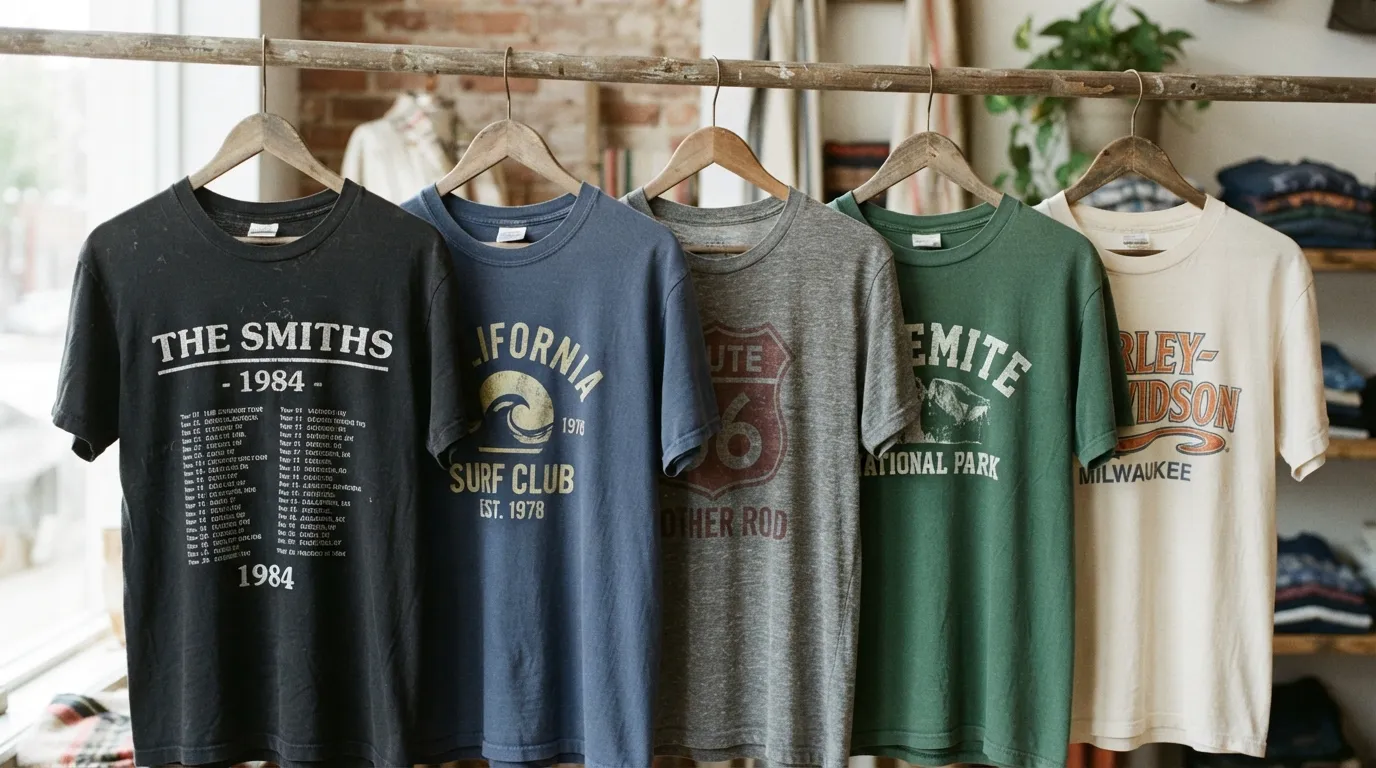

Vintage Washed T Shirts: What Brands Should Know
Vintage washed t shirts have become one of the most requested categories in casual apparel. The faded, broken-in look signals comfort and authenticity before a customer even tries the garment on. For brands, this style offers strong margins because the wash treatment itself adds perceived value. The challenge is production consistency. Unlike a plain tee, every vintage washed t shirt goes through a finishing process that can vary from batch to batch if the factory lacks control.

What exactly is a vintage washed t shirt?
It is a garment treated after construction to soften the fabric and create a worn, faded appearance. Common methods include enzyme washing, stone washing, acid washing, and garment dyeing. Each method produces a different result, and many factories combine two or more to achieve a specific look. The goal is a shirt that feels like it has been worn and washed dozens of times, without actually being old or damaged.
Why has demand for vintage washed t shirts grown so quickly?
Consumer taste shifted toward relaxed, retro-inspired fashion, and the washed finish fits that mood. The look photographs well, which matters for brands selling through social media and online stores. It also hides minor imperfections that would stand out on a crisp, flat-dyed tee. Retailers like the category because the treatment justifies a higher price than a standard blank, and customers accept that premium because the difference is visible and tactile.
How should you approach production if you are adding vintage washed t shirts to your line? Start by choosing your wash method deliberately rather than leaving it to the factory's default. Then select a fabric that responds well to the treatment. Finally, approve a physical sample from the actual production batch, not just a one-off prototype. The wash process is where most quality problems appear, so this step is not optional.
Fabric Selection for Vintage Washed T Shirts
Fabric choice determines how a vintage washed t shirt ages and feels. Cotton remains the most common base because it responds predictably to enzyme and stone treatments. Combed ring-spun cotton gives a smoother surface and a softer hand feel, which suits premium positioning. Carded open-end cotton is more affordable and works fine for entry-level products, though the finish feels rougher.
Weight matters too. A midweight cotton in the 5 to 6 ounce range works for warm-weather markets and lighter layering. Heavyweight cotton at 7 ounces or more holds structure better and creates the substantial feel that many vintage-inspired brands target. Blends can work, but polyester resists dye and wash treatments differently than cotton, which can produce uneven fading. If you want a consistent vintage look, keep the cotton content high and confirm the blend ratio with your supplier before production begins.
How the Wash Process Creates the Vintage Effect
Enzyme washing uses cellulase enzymes to break down surface fibers, softening the fabric and creating gentle fading. Stone washing uses pumice stones or synthetic alternatives to abrade the surface physically, producing more pronounced wear. Acid washing involves chlorine-based treatments that strip color in unpredictable but attractive ways. Garment dyeing is often combined with these methods, where the shirt is dyed after construction rather than made from pre-dyed fabric.
Each method carries tradeoffs. Enzyme washes are gentler and easier to control, but the effect is subtle. Stone washes create stronger character but can weaken the fabric if overdone. Acid washes produce the most dramatic looks but require careful handling because chlorine damages cotton fibers. A factory with real experience in vintage finishing will tell you which method suits your target look and your budget, rather than pushing whatever is easiest for them.
Decoration Options for Vintage Washed T Shirts
Decoration on vintage washed t shirts requires planning because the wash happens after printing in many production flows. If you print first and wash second, the ink fades along with the fabric, which can look intentional and attractive, or it can look faded and cheap depending on the design. Water-based and discharge inks handle this well because they sit inside the fabric rather than on top of it. Plastisol ink tends to crack when washed after printing, so avoid that combination unless the factory has tested it.
Some brands print after washing instead. This gives sharper ink definition but loses the cohesive faded look that makes vintage washed t shirts appealing. Puff printing works well after washing because the raised texture contrasts nicely with the soft, worn fabric. Embroidery also pairs well with washed tees, especially on heavier weights where the fabric can support the stitch density without puckering.
Five Benefits of Selling Vintage Washed T Shirts
Vintage washed t shirts offer clear commercial advantages. The treatment creates a premium look that supports higher retail pricing than standard tees. The soft, broken-in feel reduces the break-in period customers normally expect from new cotton. The faded appearance hides minor variations, which reduces complaints about slight color differences between units. The retro aesthetic fits current fashion trends and works across age groups. And the style layers easily, which encourages repeat purchases and larger basket sizes.
What Customers Say About Vintage Washed T Shirts
Customer feedback on vintage washed t shirts focuses on feel and fading. Buyers often describe the fabric as soft from the first wear and note that the color has a lived-in quality rather than a flat, uniform tone. Some reviews mention that sizing runs slightly differently from standard tees because the wash process can affect shrinkage, so include accurate flat measurements in your size chart. Others point out that cheap vintage washed t shirts lose their shape or fade unevenly after a few washes. These comments highlight the importance of controlled wash cycles and quality fabric.
Frequently Asked Questions
What makes a t shirt vintage washed?
The garment goes through a finishing process using enzymes, stones, or acid to soften the fabric and create a faded, worn appearance.
Why do vintage washed t shirts cost more than standard tees?
The wash treatment adds production time, specialized equipment, and higher material loss, which increases cost per unit.
How should I care for a vintage washed t shirt?
Wash inside out in cold water and dry on low heat to preserve the soft feel and prevent further fading.
Can you print on vintage washed t shirts?
Yes, but water-based and discharge inks work best, especially when printing happens before the wash cycle.
What fabric weight is best for vintage washed t shirts?
Midweight cotton from 5 to 6 ounces suits warm markets, while 7 ounces or more gives a heavier, more structured feel.
Author Bio:
Star Faith International is a Pakistan-based apparel manufacturer specializing in custom t shirts, hoodies, and sportswear. With in-house production and direct manufacturer-to-buyer pricing, the company serves brands seeking reliable quality and competitive costs.





















Sign in to leave a comment.