

Noticing a small white patch on your skin can bring up a lot of questions. Is it going to spread? Will it look the same in a few months? And, naturally, is there something that can help? People exploring ayurvedic treatment for vitiligo often want to learn about traditional skin care while understanding what modern medicine recommends. Shri Chyawan Ayurved is a name readers may encounter while researching Ayurvedic products, but before choosing any treatment, it helps to understand what vitiligo actually is and what different care options can realistically offer.
What Is Vitiligo, and Why Does It Develop?
Vitiligo is a condition in which the skin loses its natural pigment in certain areas. This happens when melanocytes, the cells responsible for producing melanin, stop functioning or are destroyed. Melanin gives skin its colour, so areas with reduced pigment appear lighter or completely white.
The patches may develop on the hands, face, arms, feet, or other parts of the body. Some people notice only a few small spots, while others experience changes across larger areas. Vitiligo can begin at almost any age, and its progress varies from one person to another.
The condition is generally considered an autoimmune disorder, meaning the immune system mistakenly targets the body's own pigment-producing cells. Genetics and other factors may also play a role. Vitiligo is not contagious, and it is not caused by poor hygiene.
Still, the emotional side can be difficult. Someone might feel comfortable with their skin one day and suddenly become self-conscious after noticing a new patch. Those feelings are real, and good care should consider both skin health and emotional wellbeing.
What Does Ayurveda Say About Vitiligo?
Ayurveda has a long history of traditional approaches to skin conditions. Classical Ayurvedic texts discuss disorders involving changes in skin colour, including conditions traditionally described under terms such as Shwitra and Kilasa. These concepts come from a traditional medical framework and should not be treated as exact equivalents of every modern dermatological diagnosis.
Ayurvedic care may involve herbal preparations, dietary recommendations, and other traditional practices. People searching for Ayurvedic medicine for vitiligo may encounter tablets, powders, oils, and combinations of herbs marketed for skin pigmentation.
Yet a traditional reputation does not automatically prove that a preparation can restore skin colour. Scientific evidence for many Ayurvedic vitiligo treatments is limited, and there is no reliable evidence that any particular herbal product can cure vitiligo in every patient.
Anyone considering a product from Shri Chyawan Ayurved should review its ingredients, safety information, and intended use with a qualified healthcare professional. It is particularly important to discuss products that claim to restore pigmentation or stop the condition from spreading.
Ayurvedic Treatment for Vitiligo: What Should Patients Consider?
Searching online for ayurvedic treatment for vitiligo can bring up a long list of suggestions. Some recommend herbal tablets, others focus on topical oils, and a few promote restrictive diets. Sorting through all those claims can be tiring.
A sensible first step is to get a confirmed diagnosis from a dermatologist. Not every white patch is vitiligo. Fungal infections, certain inflammatory skin conditions, and other causes of reduced pigmentation can sometimes look similar. The right diagnosis helps prevent months of trying an unsuitable remedy.
If you are considering an Ayurvedic preparation, ask about the full ingredient list, manufacturing quality, possible side effects, and interactions with medicines you already use. Some herbal products can irritate the skin or contain ingredients that are not clearly disclosed.
Be particularly careful with home-made mixtures or products that recommend applying strong substances directly to white patches. Irritation and burns may cause further skin problems, and some forms of skin injury can trigger new vitiligo patches in susceptible people.
Ayurvedic practices may be meaningful to people who prefer traditional care, but they should not delay a medical assessment or replace treatments recommended by a dermatologist without a proper discussion.
Modern Medical Treatments for Vitiligo
There is no single treatment that works for everyone with vitiligo. The choice depends on the location of the patches, how much skin is affected, whether the condition is stable, and the person's age and medical history.
Topical corticosteroids: Dermatologists may prescribe these creams or ointments to help restore pigment in certain areas. They need to be used as directed because prolonged or inappropriate use can thin the skin.
Topical calcineurin inhibitors: Medicines such as tacrolimus may be considered for sensitive areas, including the face, depending on the patient's circumstances and the clinician's advice.
Phototherapy: Narrowband ultraviolet B (NB-UVB) treatment uses controlled ultraviolet light to encourage repigmentation. It may be recommended for widespread vitiligo or selected cases that have not responded adequately to topical treatment. Improvement often takes months, and results vary.
Other specialist treatments: Certain newer prescription treatments, including topical ruxolitinib for eligible patients in countries where it is approved, may be suitable for particular types of nonsegmental vitiligo. Dermatologists can explain eligibility, possible risks, cost, and availability.
Repigmentation can take time. Some areas, particularly the face and neck, may respond differently from the hands and feet. Even after improvement, patches may return, so follow-up care can matter.
Diet, Lifestyle, and Everyday Skin Care
People often ask whether a special diet can help with vitiligo. There is currently no strong evidence that a particular food plan or herbal drink can reliably restore pigmentation. A balanced diet is still worthwhile for general health, though.
Eat a variety of vegetables, fruit, whole grains, protein-rich foods, and sources of healthy fats. If you suspect a nutritional deficiency or have a restricted diet, a healthcare professional can advise whether testing is appropriate. Taking high-dose vitamins without a demonstrated need is not necessarily helpful.
Sun protection deserves attention, too. White patches contain less protective pigment and can burn more easily. Use a broad-spectrum sunscreen with SPF 30 or higher on exposed areas, wear suitable clothing, and seek shade during strong sunlight. Avoid deliberately burning the skin in an attempt to stimulate colour.
Gentle skin care is usually preferable to harsh scrubs, strong bleaching agents, or irritating home remedies. If a product causes burning, swelling, or persistent redness, stop using it and seek medical advice.
Vitiligo can also affect confidence, relationships, and social comfort. Talking with a trusted person, a counsellor, or a support group may help, especially if worries about appearance begin affecting everyday life.
Choosing Vitiligo Care with Confidence
When researching Ayurvedic medicine for vitiligo, it is easy to feel pulled between traditional recommendations and modern medical advice. You do not have to dismiss your interest in Ayurveda, but it is wise to ask clear questions before starting anything new.
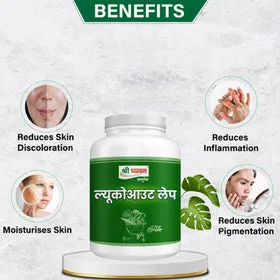
Shri Chyawan Ayurved may be one brand you come across while exploring traditional products. Review individual product information carefully and discuss the formulation with a qualified practitioner who understands your medical history. Do not rely on promises of a permanent cure or guaranteed skin-colour restoration.
A dermatologist can help confirm the diagnosis, explain available treatments, and monitor changes over time. If you wish to explore traditional care alongside dermatological treatment, be open about every product you use. That conversation can help identify potential risks and avoid unwanted interactions.
Vitiligo does not look or progress the same way in every person. Some patches remain stable for years, while others change. Finding suitable care may take patience, and a treatment that helps one person may not work for another.
Start with an accurate diagnosis, protect your skin, and give yourself room to ask questions. You deserve clear information and respectful care, whatever approach you decide to explore.

























Sign in to leave a comment.