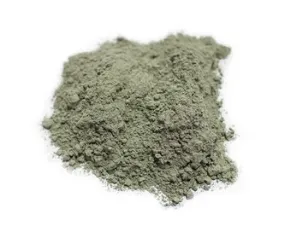

Discover how volcanic rock dust boosts soil health with natural minerals, better water retention and stronger plants. Learn uses, rates and benefits today.
Volcanic Rock Dust for Healthier Soil: A Practical Gardener’s Guide
Soil that lacks minerals produces weaker plants, no matter how often you water. That is why many growers now choose VOLCANIC ROCK DUST FERTILISER ORGANIC TRACE MINERAL FERTILIZER to restore natural mineral balance. Made from finely ground basalt, it supplies slow-release nutrients that feed soil life as well as plants.
What Is Volcanic Rock Dust?
Volcanic rock dust is crushed igneous rock, usually basalt, milled into a fine powder. It contains calcium, magnesium, potassium, iron and dozens of trace elements. Unlike soluble synthetic products, it releases minerals gradually as soil microbes and moisture break it down. This matters in Australia, where many soils are old, weathered and naturally low in minerals.
Key Benefits for Your Garden
- Replenishes trace minerals depleted by repeated cropping
- Improves soil structure and water retention
- Supports beneficial microbes and earthworms
- Helps buffer soil pH gently over time
- Fits organic gardening practices (check your own certification standards)
How to Apply It
For best results, mix 100–200 grams per square metre into garden beds before planting, or blend a handful into potting mix. When using VOLCANIC ROCK DUST FERTILISER ORGANIC TRACE MINERAL FERTILIZER on lawns, spread it evenly and water in well. Reapply once or twice a year, and test your soil first so you only add what is needed.
Expert Tip
Horticulturists generally recommend pairing rock dust with compost, because organic matter activates the microbial processes that release minerals. Results build over seasons, not days, so monitor plant health and be patient. National Plant Supplies encourages gardeners to follow label rates and use local soil testing services for region-specific advice.
Frequently Asked Questions
Q1. Is volcanic rock dust safe for vegetables?
Yes. At label rates it is generally safe for edible crops and adds trace minerals to the soil.
Q2. How often should I apply it?
Once or twice a year is typical. Adjust based on soil test results and crop demand.
Q3. How long does it take to work?
It is slow-release, so noticeable improvement usually appears after one to two growing seasons.
Q4. Can it replace NPK fertiliser?
No. It supplies minerals and conditions the soil, so combine it with compost or a balanced feed for nitrogen.
Q5. Is it suitable for pots and lawns?
Yes. Mix it into potting media or spread it thinly over lawns and water in.
























Sign in to leave a comment.