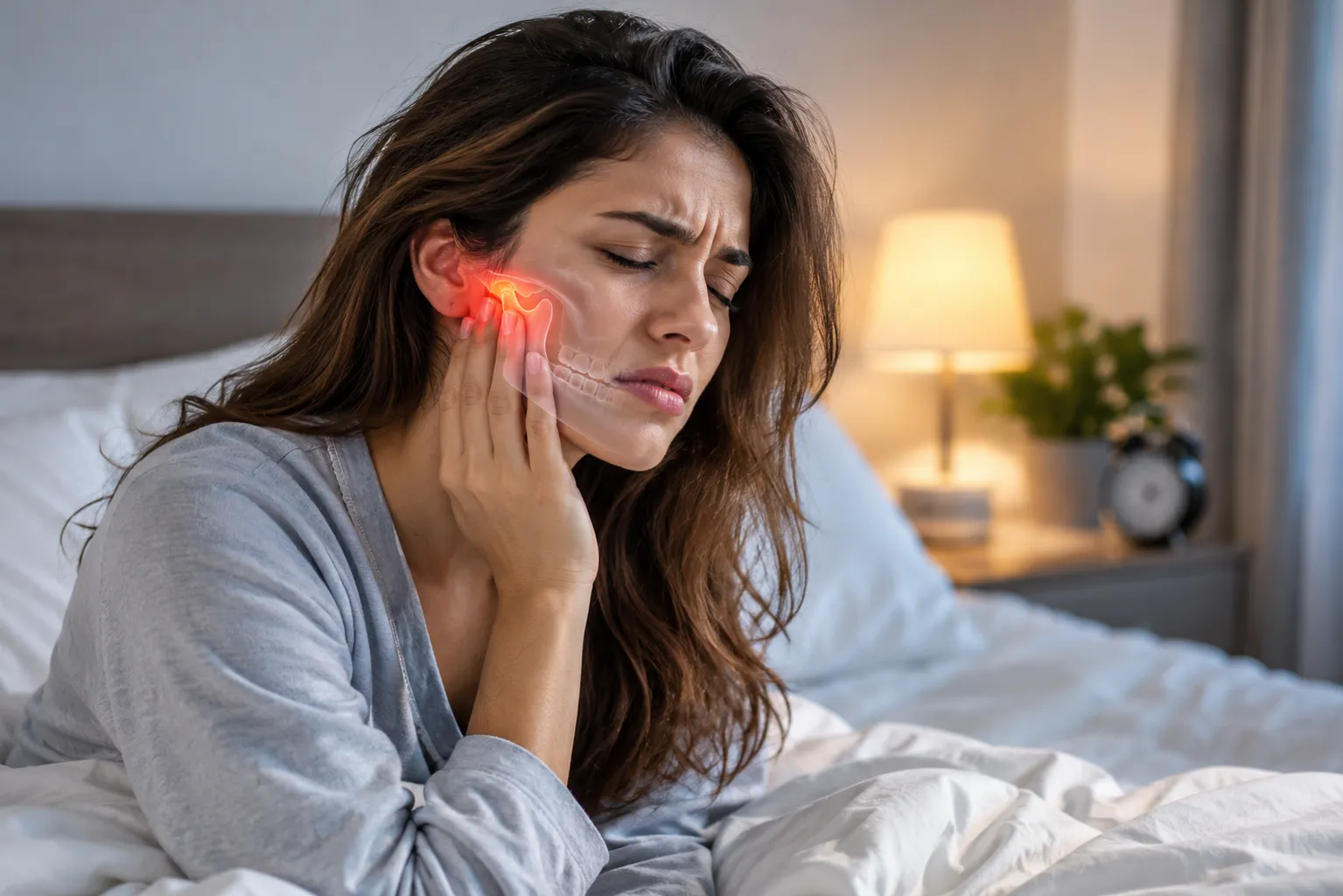
If you wake up with a dull ache in your cheeks, a tight jaw joint, or a dull headache that ruins your morning coffee, you probably blame work stress. It is easy to assume you are just clenching your teeth because life is busy. While emotional tension plays a big role, stress is often only part of the story.
Many people undergo endless relaxation techniques, buy fancy pillows, and try meditation apps, only to find that morning jaw pain persists. Understanding the hidden physical, structural, and lifestyle factors behind nocturnal jaw strain is essential for finding lasting relief.
Beyond the Stress Factor: What Else Causes Morning Jaw Pain?
When your jaw hurts first thing in the morning, your body is usually telling you that your masticatory muscles and temporomandibular joints (TMJ) have been overworked for hours while you slept. Here are the lesser-known reasons why that happens:
1. Undiagnosed Sleep Disordered Breathing
One of the most overlooked causes of nighttime teeth grinding (sleep bruxism) is actually a airway defense mechanism. When your airway narrows or partially collapses during sleep, your brain panics slightly and triggers a reflex. It shifts your lower jaw forward and grinds your teeth to reopen the airway. Treating sleep apnea or mild airway obstruction often resolves the clenching completely.
2. Bite Alignment and Malocclusion
How your upper and lower teeth fit together matters deeply. If you have a misaligned bite, an improper dental crown, or missing teeth, your jaw muscles constantly search for a comfortable resting position. When you fall asleep, your brain may actively try to grind down premature bite contacts, placing immense strain on the jaw joints.
3. Daytime Posture and "Tech Neck"
How you hold your head all day dictates how your jaw rests at night. Constantly looking down at a smartphone or computer screen stretches your neck muscles forward. This forward head posture strains the suboccipital muscles at the base of your skull, which are structurally linked to the muscles that control jaw movement.
4. Dietary Habits and Evening Stimulants
Consuming high amounts of caffeine, alcohol, or heavy meals late in the evening alters your sleep architecture. Alcohol, in particular, increases central nervous system activity during certain sleep stages, which strongly correlates with increased frequency of nocturnal tooth grinding and muscle spasms.
How to Protect Your Teeth and Joints
If you want to stop waking up in discomfort, a multi-layered approach works best. Addressing physical strain requires professional guidance alongside smart daily adjustments.
- Consult a Professional: Speak with a qualified dentist who can thoroughly examine your tooth wear patterns, check your bite, and screen for signs of TMJ dysfunction.
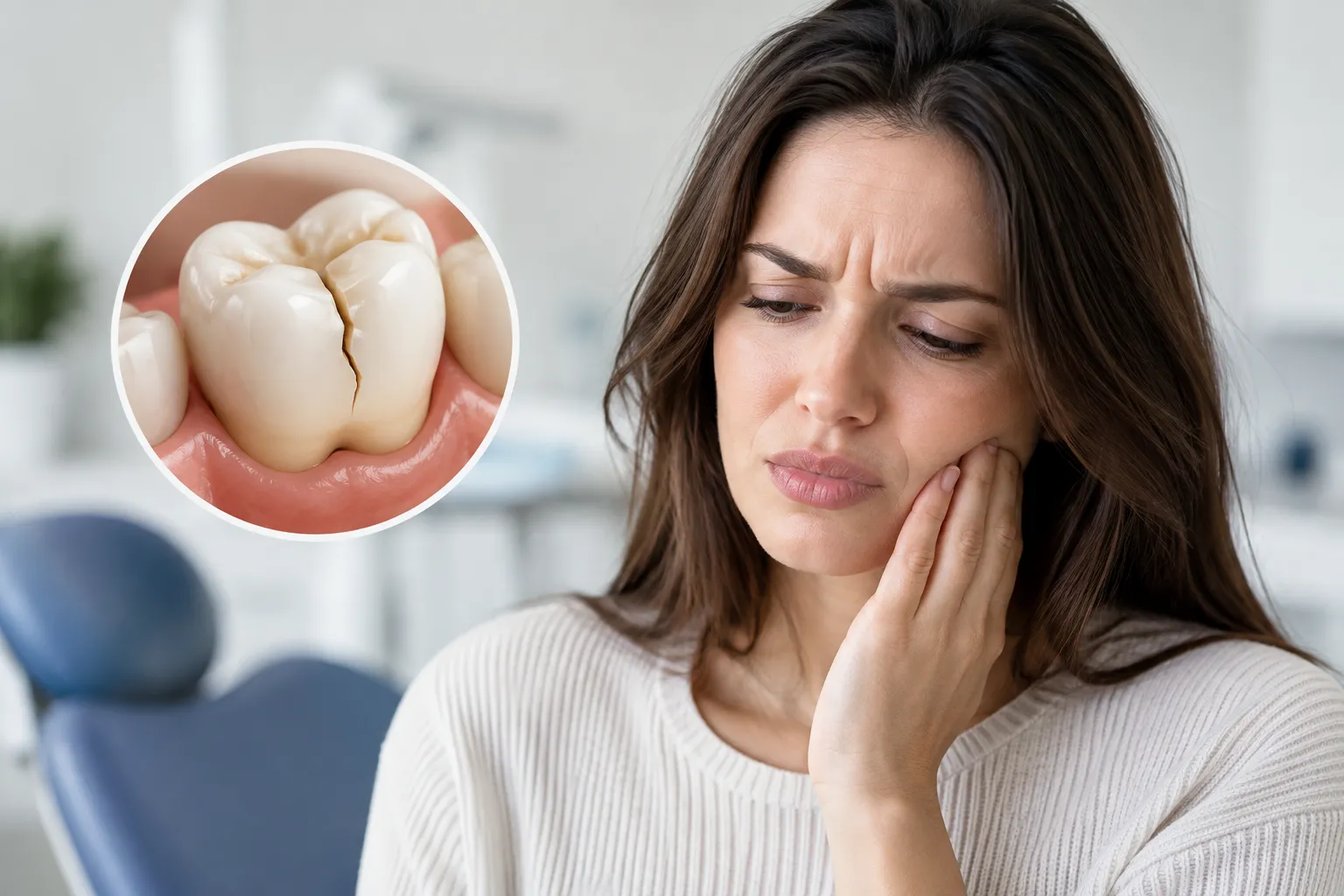
- Consider a Custom Appliance: Wearing a properly fitted mouth guard designed specifically for nighttime grinding protects your enamel from fracturing and cushions the joint pressure.
- Practice Daytime Jaw Posture: Keep your lips together, teeth apart, and tongue resting gently on the roof of your mouth. Your teeth should only touch when you chew or swallow.
- Incorporate Warm Compresses: Applying a warm, moist washcloth to the sides of your face before bed relaxes tight masseter muscles.
Frequently Asked Questions
Is morning jaw pain permanent?
In most cases, morning jaw pain is completely manageable and reversible once the root cause is identified. Whether it requires bite adjustment, physical therapy, or a protective appliance, relief is very achievable.
Can chewing gum make my jaw pain worse?
Yes. If your jaw muscles are already fatigued from nighttime clenching, chewing gum excessively during the day overworks those same muscles and prevents proper healing.
How do I know if I am grinding my teeth at night?
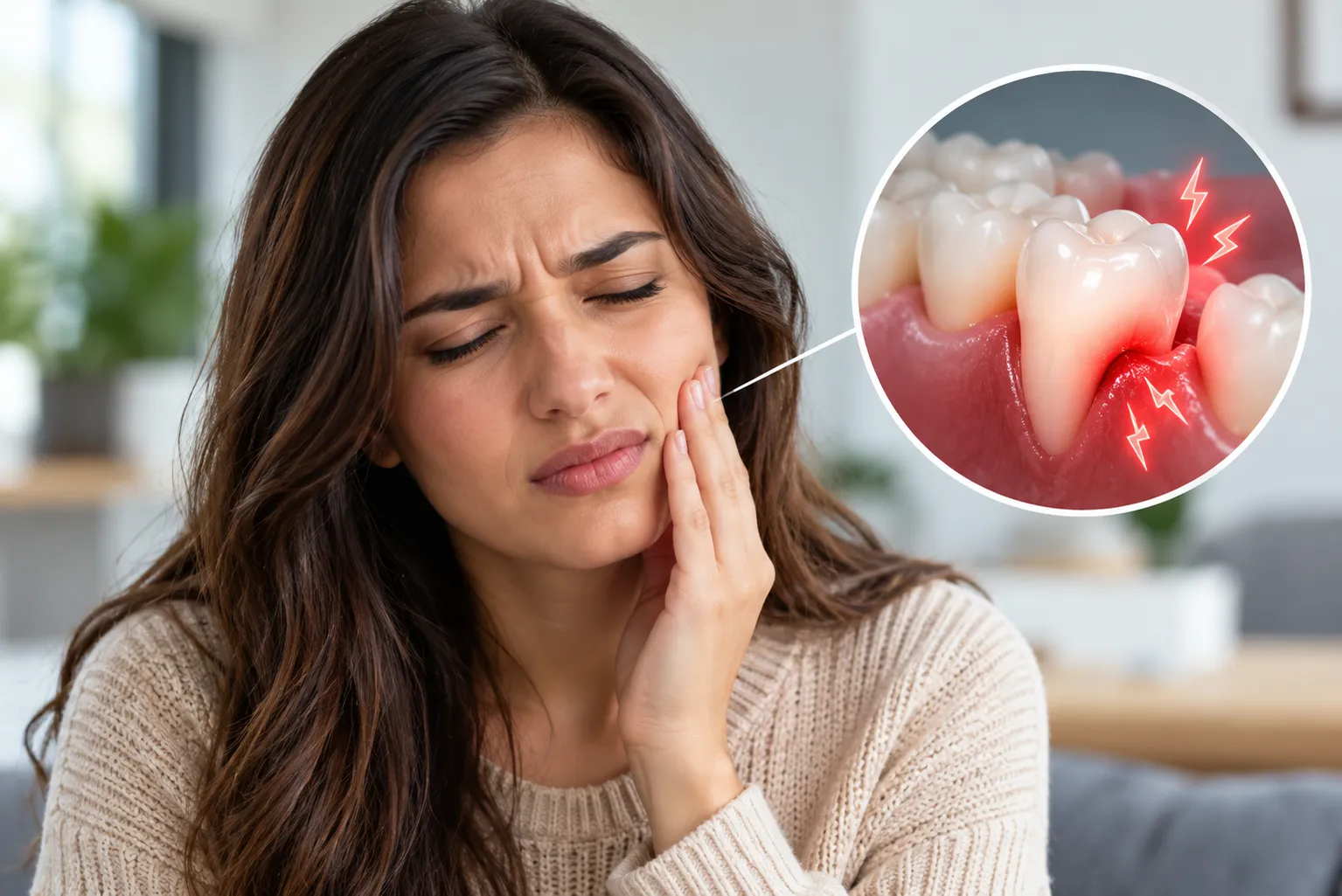
Aside from morning soreness, signs include flattened or chipped teeth, increased tooth sensitivity to cold, dull morning headaches, and tight shoulders or neck muscles upon waking.

























Sign in to leave a comment.