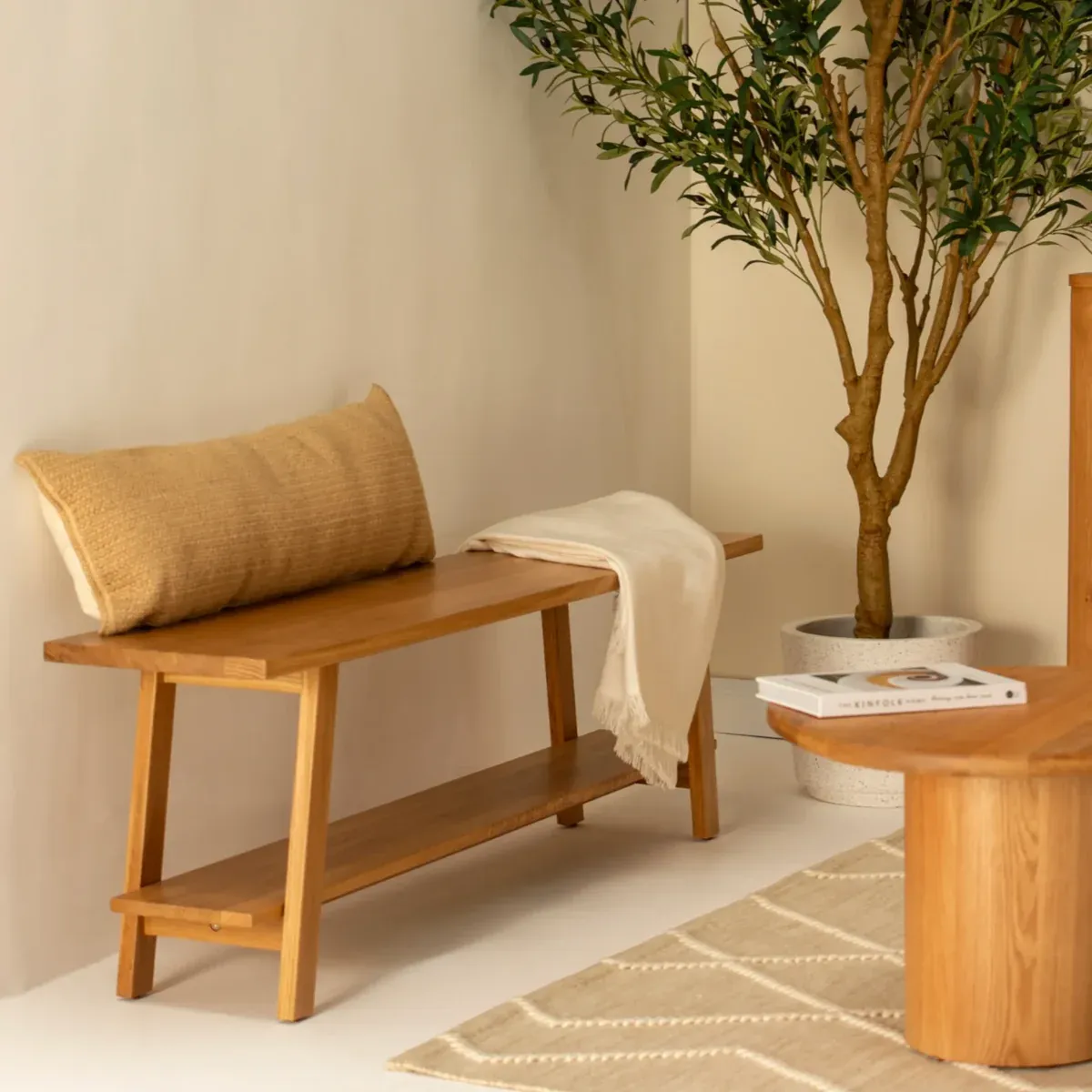

The demand for premium hardwood furniture in the UK has grown steadily as homeowners prioritise durability, sustainability, and long-term value. Among the most searched and invested seating options today are walnut benches, the versatile ash wood bench, and the timeless wooden bench in solid hardwood construction.
This comprehensive guide provides expert-level insight into material science, craftsmanship standards, UK interior trends, durability comparisons, maintenance guidance, and practical buying advice—helping you confidently choose between a walnut or ash bench for your home.
Why Wooden Benches Are a Smart Investment in the UK Market
Unlike upholstered seating that may require replacement within 5–8 years, a solid wooden bench can last decades when properly constructed. British consumers are increasingly moving toward furniture that offers:
- Long-term structural stability
- Minimal maintenance requirements
- Natural, sustainable materials
- Versatility across multiple rooms
- Strong resale and refurbishment value
In compact UK homes where space efficiency is essential, benches provide streamlined seating without the bulk of individual chairs. They are particularly effective in open-plan kitchen-dining areas, which remain highly popular across new-build developments.
Understanding Hardwood Quality: Walnut vs Ash
Walnut Benches: Premium Depth and Character
Walnut benches are widely regarded as a luxury hardwood option. American walnut, commonly used in fine furniture, offers a dense grain structure and deep brown tones that naturally darken over time.
Material Strength and Durability
Walnut is a medium-to-high density hardwood with excellent dimensional stability when kiln-dried correctly. It resists warping and maintains structural integrity under regular weight-bearing use.
Aesthetic Appeal
- Rich chocolate to espresso tones
- Straight grain with subtle waves
- Elegant, high-end appearance
In UK interiors, walnut complements neutral paint schemes, brushed brass hardware, marble countertops, and warm lighting, elements currently trending in modern British design.
Homeowners seeking premium dining or hallway seating often explore solid walnut benches crafted for long-term durability, where traditional joinery enhances structural performance.
Ash Wood Bench: Strength, Brightness, and Flexibility
An ash wood bench offers a lighter and more contemporary visual profile. European ash is particularly valued for its strength-to-weight ratio and shock resistance.
Structural Performance
Ash is commonly used in tool handles and sports equipment due to its elasticity and resilience. For furniture, this means excellent resistance to impact and daily wear.
Visual Characteristics
- Light cream to pale brown tones
- Pronounced straight grain
- Clean, Scandinavian-inspired look
An ash bench works exceptionally well in smaller UK homes or north-facing rooms where natural light is limited. Its lighter tone reflects light, enhancing perceived space.
Design-conscious buyers often consider ash wood benches designed for minimalist interiors to complement modern dining and hallway spaces.
Walnut Benches vs Ash Bench: Direct Comparison
1. Visual Impact
Walnut creates bold contrast and visual warmth. Ash delivers brightness and understated simplicity.
2. Durability
Both hardwoods are highly durable. Ash has slightly higher shock resistance, while walnut offers greater density and premium finish appeal.
3. Maintenance
Both materials require routine dusting, avoidance of excess moisture, and periodic oiling if finished naturally.
4. Cost Consideration
Walnut generally commands a higher price due to slower growth rates and darker pigmentation. Ash provides excellent durability at a comparatively accessible price point.
Construction Standards: What Defines a High-Quality Wooden Bench?
Material choice alone does not determine quality. Construction techniques significantly influence longevity.
Solid Hardwood Construction
Ensure the bench is made from solid walnut or solid ash—not veneer over MDF. Solid wood allows refinishing and structural repair decades later.
Joinery Techniques
- Mortise-and-tenon joints for leg support
- Dowel reinforcement for seat panels
- Precision sanding and edge finishing
Weight Distribution and Stability
A properly engineered wooden bench should distribute weight evenly without flexing or wobbling.
UK Interior Trends Supporting Hardwood Benches (2026)
Current UK furniture trends emphasise:
- Warm minimalism with natural materials
- Japandi-inspired interiors using ash bench styles
- Statement walnut pieces in open-plan kitchens
- Multi-functional hallway seating
Consumers are increasingly prioritising furniture that lasts 20+ years over mass-produced alternatives with shorter life cycles.
Best Placement Ideas for Walnut and Ash Benches
Dining Room
Walnut benches provide dramatic contrast against light oak tables. Ash benches maintain cohesion in bright Scandinavian-inspired kitchens.
Hallway or Entryway
A wooden bench offers practical seating while enhancing architectural symmetry.
Bedroom
Placing a bench at the foot of the bed adds layered styling and functionality.
Home Office
A refined ash bench can serve as secondary seating without overwhelming compact workspaces.
For broader design inspiration, curated selections such as premium handcrafted wooden benches for versatile spaces showcase how different hardwood finishes adapt across room types.
Maintenance Guide: Extending Lifespan
- Clean with a soft dry cloth weekly
- Avoid prolonged exposure to direct sunlight
- Use coasters and protective pads where necessary
- Reapply natural oil annually if applicable
With proper care, a solid hardwood bench can last 30–40 years or more.
Why Craftsmanship Matters
In today’s competitive furniture market, craftsmanship separates temporary purchases from generational investments. Brands such as Nismaaya Decor emphasise solid hardwood construction, precise joinery, and balanced proportions—qualities aligned with evolving UK consumer expectations.
Frequently Asked Questions
Which wooden bench is better for small spaces?
An ash wood bench is often better suited due to its lighter tone and space-enhancing effect.
Are walnut benches suitable for everyday family use?
Yes. Walnut is durable and capable of handling daily dining and hallway traffic.
How long does a hardwood bench last?
A well-constructed bench can last several decades, especially when made from solid walnut or ash.
Conclusion
Both walnut benches and the ash wood bench offer exceptional durability, timeless appeal, and long-term value. Walnut provides richness and visual depth; ash delivers brightness and modern versatility. Selecting the right wooden bench ultimately depends on your interior style, lighting conditions, and investment goals.
In the evolving UK furniture landscape, solid hardwood benches remain one of the most practical and enduring choices for sophisticated, future-proof interiors.





















Sign in to leave a comment.