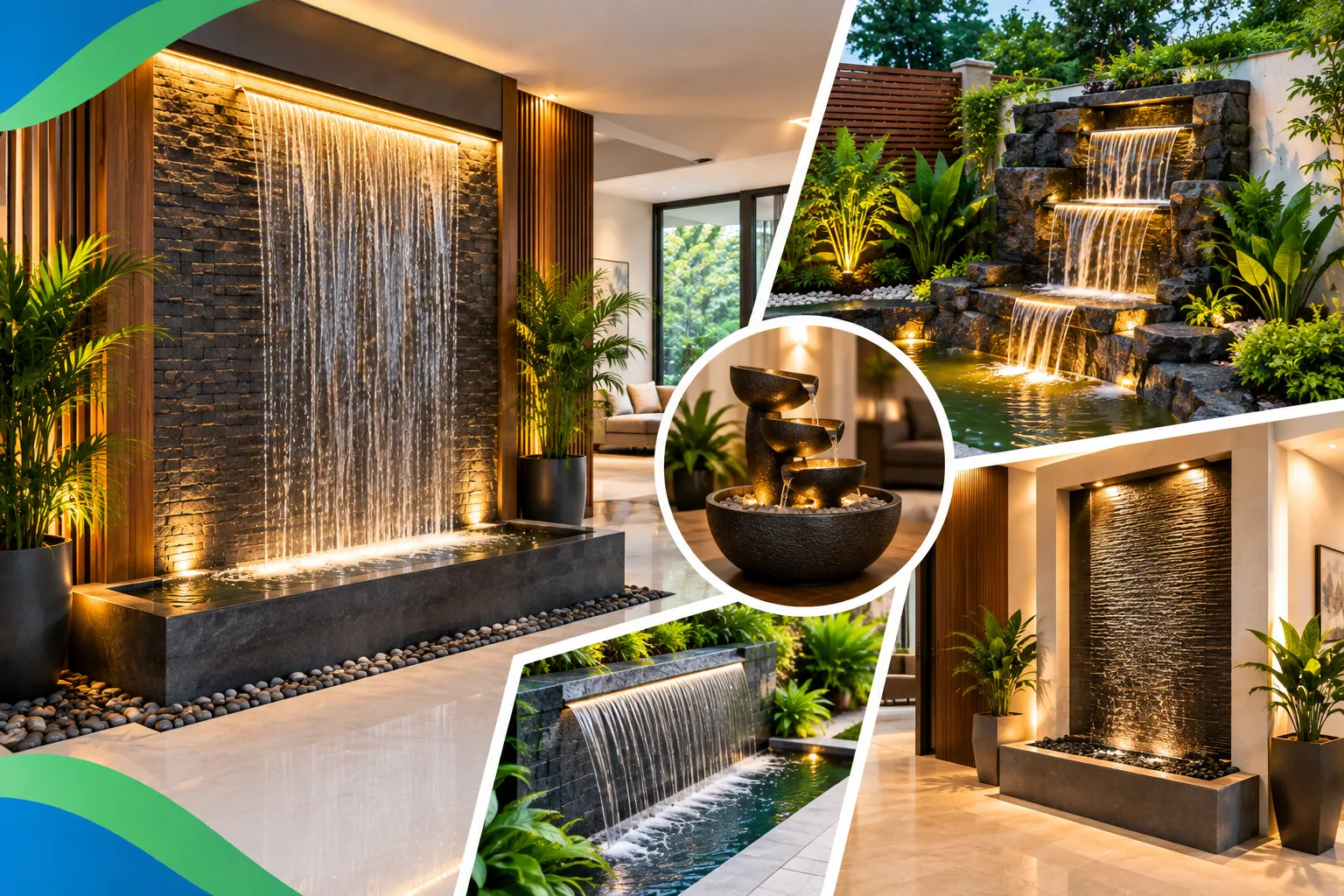

Water fountain lighting is safe only when low-voltage, water-rated (IP68) fixtures are installed with proper grounding, GFCI protection, and a certified transformer. Mixing electricity and water carries real risk, but with the right components and professional installation, decorative water fountain lighting is both beautiful and secure for Indian homes, gardens, and commercial spaces.
Why Electrical Safety Matters Near Water
Water conducts electricity, which means any lighting system installed in or around a fountain must be designed specifically for wet environments. A standard household bulb or wiring setup is never suitable here. Improper installation can lead to short circuits, corrosion, or electric shock — especially in outdoor Indian climates where humidity and monsoon exposure add extra strain on electrical components.
This is exactly why Water Fountain Lighting Safety Tips should be followed strictly before, during, and after installation — not treated as optional guidelines.
Quick Safety Checklist (At a Glance)
- Use only IP68-rated, submersible LED fixtures
- Run lights on a low-voltage (12V or 24V) system, not direct 220V mains
- Install a Residual Current Device (RCD)/ELCB for shock protection
- Keep transformers at least 3 metres from the water body
- Use outdoor-rated, double-insulated cables
- Get wiring inspected by a licensed electrician annually
- Never submerge standard (non-rated) light fixtures
What Type of Lights Are Safe for Water Fountains?
LED fixtures are the standard choice for fountains because they run cool, consume less power, and are available in fully submersible, sealed casings. Look specifically for an IP68 rating, which confirms the fixture can be continuously submerged in water without risk of water ingress. Avoid incandescent or halogen fountain lights, as they generate heat that can crack underwater housings over time.
Wet Niche vs Dry Niche Lighting: Which Is Safer?
| Feature | Wet Niche Lighting | Dry Niche Lighting |
| Placement | Fully submerged in water | Sealed housing kept outside water contact |
| Voltage | Typically 12V low-voltage | 12V–24V, sometimes higher |
| Maintenance | Requires periodic seal checks | Easier access, lower water-exposure risk |
| Best for | Ponds, open fountains | Wall fountains, tiered fountains |
| Safety Rating Needed | IP68 mandatory | IP65–IP68 depending on exposure |
Both options are safe when correctly rated and installed, but wet niche fixtures demand stricter waterproofing checks since they sit directly in water.
Safe Voltage and Transformer Guidelines in India
Fountain lighting should always run on a low-voltage system stepped down through a certified transformer, keeping the fixtures themselves at 12V or 24V rather than full household mains voltage. This drastically reduces shock risk even if water seeps into a connection point. For reference on electrical safety codes applicable to installations in India, the Central Electricity Authority's safety regulations outline requirements for electrical installations, including precautions near water bodies. Choosing components certified under the Bureau of Indian Standards (BIS) is also strongly recommended for transformers, cables, and junction boxes.
Step-by-Step Safe Installation Process
- Plan the layout – Map light positions before digging or placing fixtures in the fountain basin.
- Choose IP68 LED fixtures rated for continuous submersion.
- Install a low-voltage transformer away from splash zones, ideally under a weatherproof cover.
- Use outdoor-rated cabling routed through conduit to prevent abrasion.
- Add a GFCI/RCD breaker on the circuit for automatic shutoff during leakage.
- Ground all metal components, including pumps and fixture housings.
- Test before final sealing – Run the system for 24–48 hours to check for leaks or flickering before closing up wiring channels.
- Document the setup for future maintenance reference.
Common Mistakes Homeowners Make
- Using indoor-rated extension cords outdoors
- Placing transformers too close to the water's edge
- Skipping GFCI protection to cut costs
- DIY wiring without checking IP ratings
- Ignoring annual inspection, especially before monsoon season
Do You Need a Professional for Fountain Installation Services?
While small battery-operated fountain lights can be a DIY task, any fixture connected to mains electricity should be handled by a licensed electrician or a specialised fountain contractor. Professional Fountain Installation Services ensure correct load calculations, proper waterproof sealing, and compliance with local electrical safety norms — reducing long-term risk and insurance liability.
Choosing a Water Fountain Lighting Solutions Provider in Kolkata
If you're based in Kolkata or nearby regions, working with an experienced water fountain lighting solutions provider in Kolkata ensures the installation accounts for local climate factors — high humidity, monsoon flooding, and voltage fluctuations common in the region. A good provider will:
- Use BIS-certified electrical components
- Offer warranty on waterproofing and wiring
- Provide post-installation maintenance support
- Customise lighting design for garden, terrace, or commercial fountains
Maintenance Tips for Long-Term Safety
- Inspect cable insulation every 6 months for cracks
- Clean fixture lenses to prevent overheating from algae buildup
- Test GFCI/RCD breakers monthly
- Drain and inspect wiring channels before monsoon
- Replace fixtures showing condensation inside the housing immediately
Conclusion
Water fountain lighting can transform any outdoor or indoor space, but safety must come first. By choosing IP68-rated fixtures, low-voltage systems, and certified professionals for Fountain Installation Services, you reduce electrical risk while enjoying a stunning, well-lit water feature year-round. If you're planning an installation, consulting a trusted water fountain lighting solutions provider in Kolkata is the safest way to combine aesthetics with compliance.
Frequently Asked Questions
Is it safe to put lights inside a water fountain?
Yes, if the lights are IP68-rated, low-voltage, and installed with proper grounding and GFCI protection.
What voltage is used for fountain lights?
Most residential fountain lighting runs on 12V or 24V low-voltage systems via a certified transformer.
Can I install fountain lights myself?
Simple battery-powered lights can be DIY; mains-connected systems should be installed by a licensed electrician.
How often should fountain lighting wiring be inspected?
At least once a year, and before monsoon season in humid Indian regions.





















Sign in to leave a comment.