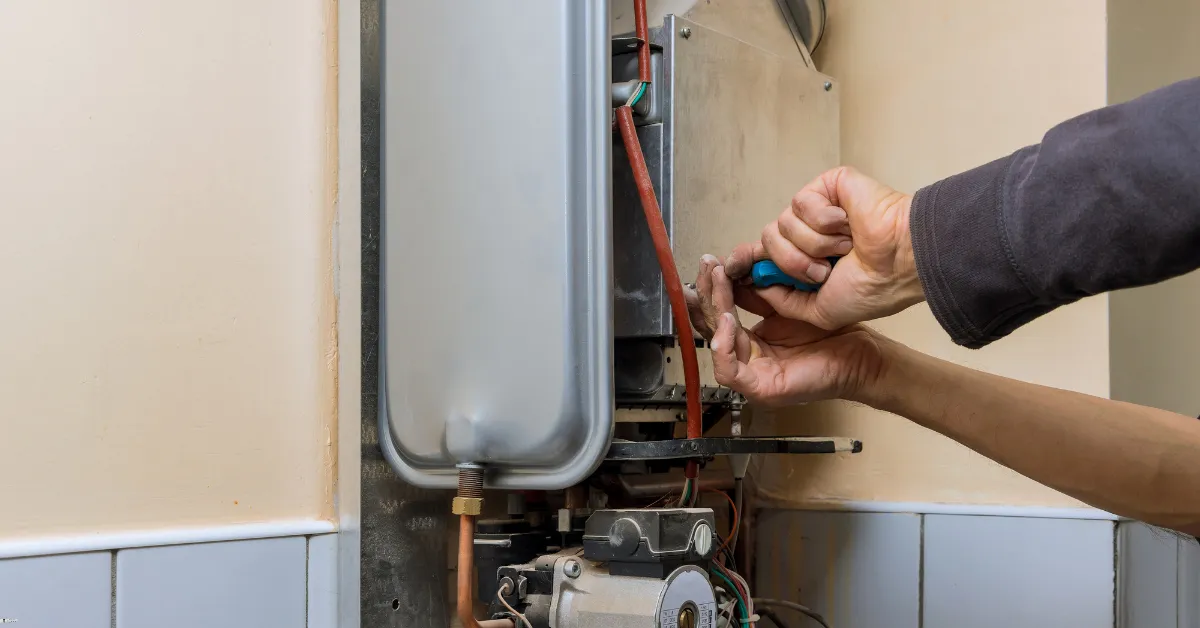

A reliable supply of hot water is essential for daily comfort in every home. From morning showers to cleaning dishes, modern households rely heavily on properly functioning plumbing appliances. When a system begins to struggle or stops heating altogether, daily routines quickly grind to a halt.
Understanding common failure points helps homeowners identify issues early before total breakdown occurs. Knowing when to call local specialists prevents minor leaks from turning into costly structural property damage.
Common Signs Your Water Heater Needs Professional Attention
Water heating units rarely fail without giving early warning signals. Recognizing these subtle performance changes allows homeowners to address issues promptly and avoid sudden cold showers.
- Inconsistent Water Temperature: Fluctuating between scalding hot and freezing cold during a single shower often signals a failing heating element or thermostat issue.
- Discolored or Rusty Water: Brownish or rust-tinted water coming from hot taps usually indicates internal tank corrosion or deteriorating anode rods.
- Unusual Tank Noises: Popping, rumbling, or banging sounds occur when heavy sediment builds up at the bottom of the storage tank and overheats.
- Low Water Pressure: Mineral buildup inside supply lines or tank connections can restrict hot water flow across all household fixtures.
- Active Water Leaks: Moisture pooling around the base of the unit points to loose fittings, a faulty relief valve, or a cracked tank liner.
Primary Causes of Water System Failures
Several mechanical and environmental factors contribute to appliance breakdown over time. Mineral content in local water supplies can cause rapid scale buildup inside heating tanks. Sediment settles at the bottom, creating an insulating layer that forces heating elements to work harder, accelerating wear.
Thermostats can lose accuracy over time, leading to improper temperature regulation. Additionally, sacrificial anode rods gradually wear out as they protect the steel tank from rust. Once the anode rod degrades completely, internal corrosion rapidly attacks the tank walls.
Tankless vs. Traditional Storage Units
Modern households utilize two main types of water heating systems, each with distinct repair and maintenance needs. Traditional tank systems hold heated water continuously, making them vulnerable to sediment buildup and corrosion over time.
Tankless units heat water on demand using high-powered burners or heating coils. While they avoid storage tank corrosion, tankless models require regular descaling to prevent mineral deposits from clogging delicate heat exchangers.
| Feature | Traditional Tank System | Tankless System |
|---|---|---|
| Primary Failure Cause | Sediment buildup & tank corrosion | Mineral scale in heat exchanger |
| Average Lifespan | 8 to 12 years | 15 to 20 years |
| Common Repair Needs | Anode rod replacement, element repair | System descaling, sensor replacement |
| Leak Severity | High risk of tank rupture | Lower risk, mostly fitting leaks |
Long-Term Maintenance for Peak Efficiency
Routine maintenance extends the operational lifespan of any heating unit and keeps energy bills low. Flushing the tank annually removes accumulated sediment and restores heating efficiency. Inspecting pressure relief valves and replacing worn anode rods every few years prevents catastrophic tank failures.
When unexpected breakdowns happen, partnering with local experts ensures safe and lasting repairs. Timely attention to minor warning signs keeps your home running smoothly year-round. Homeowners looking for dependable solutions can count on reliable water heater repair middleton services to restore hot water quickly and safely.
FAQ
How long does a standard residential water heater usually last?
Traditional tank water heaters typically last between 8 and 12 years with proper maintenance. Tankless models can last 15 to 20 years when flushed regularly to prevent scale buildup.
Why is my water heater making a loud popping or rumbling noise?
Popping or rumbling sounds are caused by mineral sediment trapped at the bottom of the tank. As the heating element warms the water, steam bubbles force their way through the sediment layer, creating loud noises.
Is it better to repair or replace an aging water heater?
If your unit is under 8 years old and the repair is minor, fixing it is usually cost-effective. If the unit is over 10 years old, leaking from the main tank, or requires frequent repairs, replacement is often the smarter choice.
What should I do immediately if I spot a water leak around my tank?
Turn off the electrical breaker or gas supply line to the heater immediately. Next, shut off the cold water inlet valve at the top of the tank to stop incoming water and call a plumber.



























Sign in to leave a comment.