

Water is essential for life, but when it enters a building through cracks, joints, roofs, walls, basements, or other vulnerable areas, it can become a serious threat to structural durability. Water seepage and moisture can cause dampness, peeling paint, corrosion, concrete deterioration, fungal growth, and unpleasant indoor conditions. Over time, untreated water-related problems can also increase maintenance costs and affect the overall service life of a structure.
This is where waterproofing systems play an important role. A properly selected and professionally applied waterproofing solution creates a protective barrier that helps prevent water penetration and protects construction surfaces from moisture-related damage.
What Are Waterproofing Systems?
Waterproofing systems are combinations of materials, coatings, membranes, treatments, and application methods designed to prevent or reduce water infiltration into a structure. Depending on the location and construction requirements, different waterproofing technologies can be used for roofs, terraces, bathrooms, basements, foundations, water tanks, balconies, concrete structures, and other areas exposed to moisture.
A waterproofing system is not simply a single product applied to a surface. Effective waterproofing generally requires understanding the source of water, the condition of the substrate, the type of construction, expected exposure, movement or cracking, and the appropriate preparation and application procedure.
Choosing the right system can therefore make a significant difference to the long-term performance of a building.
Why Is Waterproofing Important?
Water can enter a structure through several pathways. Small cracks, construction joints, porous concrete, damaged surfaces, gaps around pipes, and poorly treated junctions can all become potential entry points.
Without proper protection, continuous moisture exposure may lead to:
- Damp patches on walls and ceilings
- Paint blistering and peeling
- Concrete deterioration
- Corrosion of reinforcement
- Mold and fungal growth
- Damage to interior finishes
- Reduced durability of construction materials
- Higher repair and maintenance expenses
Waterproofing helps address these risks by creating a protective layer or treatment that limits water penetration.
For residential buildings, waterproofing can help maintain comfortable and healthy living spaces. In commercial and industrial structures, it can also help protect valuable equipment, interiors, inventories, and operational areas from moisture-related problems.
Common Areas That Require Waterproofing
Different parts of a building have different waterproofing requirements. Selecting a solution according to the application is therefore essential.
1. Roofs and Terraces
Roofs and terraces are directly exposed to rain, sunlight, temperature changes, and water accumulation. Poor drainage or surface deterioration can allow water to penetrate into the structure.
A suitable waterproofing treatment can help protect these surfaces and reduce the possibility of leakage into rooms below.
2. Basements
Basements are particularly vulnerable because they are located below or partially below ground level. Groundwater and hydrostatic pressure can create significant water-related challenges.
Waterproofing systems for basements should be selected according to soil conditions, water exposure, construction type, and the severity of leakage.
3. Bathrooms and Wet Areas
Bathrooms, kitchens, utility areas, and other wet zones are regularly exposed to water. Moisture can penetrate through floors and walls if these areas are not properly treated.
Appropriate waterproofing can help prevent water from reaching adjoining rooms and structural components.
4. Foundations
Foundations remain in contact with soil and may be exposed to groundwater and moisture. Waterproofing at the foundation level can provide an important protective layer for below-ground structures.
5. Water Tanks and Concrete Structures
Water-retaining structures require specialized protection because they remain exposed to water for extended periods. The waterproofing approach should be selected based on the structure, water exposure, substrate condition, and required performance.
Types of Waterproofing Solutions
There are several approaches to waterproofing, and each has its own applications and advantages.
Cementitious Waterproofing
Cement-based waterproofing materials are commonly used on concrete and masonry surfaces. They can be suitable for areas such as bathrooms, basements, water-retaining structures, and other applications depending on the specific product and project requirements.
Liquid Waterproofing Coatings
Liquid-applied waterproofing materials are applied over prepared surfaces and form a continuous protective coating after curing. These systems can be useful for surfaces with complex shapes because they can provide seamless coverage when properly applied.
Polymer-Based Waterproofing
Polymer-modified waterproofing solutions can offer improved flexibility and adhesion compared with conventional cement-based approaches. They may be selected for applications where movement resistance and surface compatibility are important considerations.
Membrane Waterproofing
Membrane systems create a physical barrier between the protected structure and water. Depending on the application, different membrane technologies can be used for roofs, foundations, basements, and other areas.
The right selection depends on the project requirements rather than simply choosing the most popular waterproofing method.
How to Choose the Right Waterproofing System
Before selecting a waterproofing solution, several factors should be considered.
Identify the source of moisture: Determine whether the problem is caused by rainwater, groundwater, plumbing leakage, surface water, condensation, or another source.
Evaluate the substrate: Concrete, masonry, brick, metal, and other surfaces have different characteristics and preparation requirements.
Consider exposure conditions: Outdoor surfaces may experience UV exposure, rainfall, temperature variations, and mechanical stress.
Understand movement and cracking: Surfaces that experience structural or thermal movement may require systems with suitable flexibility.
Consider drainage: Waterproofing alone may not solve problems caused by poor drainage. Proper slopes, outlets, and drainage arrangements are equally important.
Follow application requirements: Surface preparation, mixing, thickness, curing, and application methods can directly affect waterproofing performance.
Importance of Surface Preparation
Even a high-quality waterproofing product may not perform as expected if the surface is improperly prepared.
Before application, surfaces may need to be cleaned and cleared of dust, loose particles, grease, laitance, deteriorated concrete, or other contaminants. Cracks and damaged areas should also be assessed and treated appropriately.
Proper preparation helps improve adhesion and allows the waterproofing material to perform according to its intended purpose.
Waterproofing Is an Investment in Durability
Waterproofing should not be viewed simply as a repair expense. It is an important part of protecting a building and maintaining its long-term durability.
Addressing moisture problems at an early stage can help reduce the possibility of extensive repairs later. For new construction, incorporating appropriate waterproofing during the construction process can also help avoid many common water-seepage problems.
The most effective approach is to evaluate the specific area, understand its exposure conditions, select a compatible solution, and ensure that application follows the recommended technical procedure.
Choose the Right Waterproofing Solution
Every structure has different requirements. A roof exposed to heavy rainfall will have different waterproofing needs from a basement, bathroom, foundation, or water-retaining structure. Therefore, selecting a suitable product and system based on the application is essential.
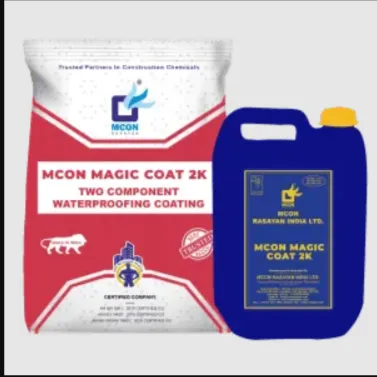
MCON Rasayan provides solutions for construction and building protection applications, including products designed for waterproofing requirements. Explore the waterproofing systems available from MCON Rasayan to identify solutions suitable for your project requirements.
Looking for reliable waterproofing solutions for your construction project? Explore the MCON Rasayan Waterproofing System range and choose a solution based on your application's specific requirements. Visit the website to learn more about available waterproofing products and construction protection solutions.























Sign in to leave a comment.