Wedding Budget Planning in Jaipur: A Clear Way to Balance Venue, Stay and Celebration

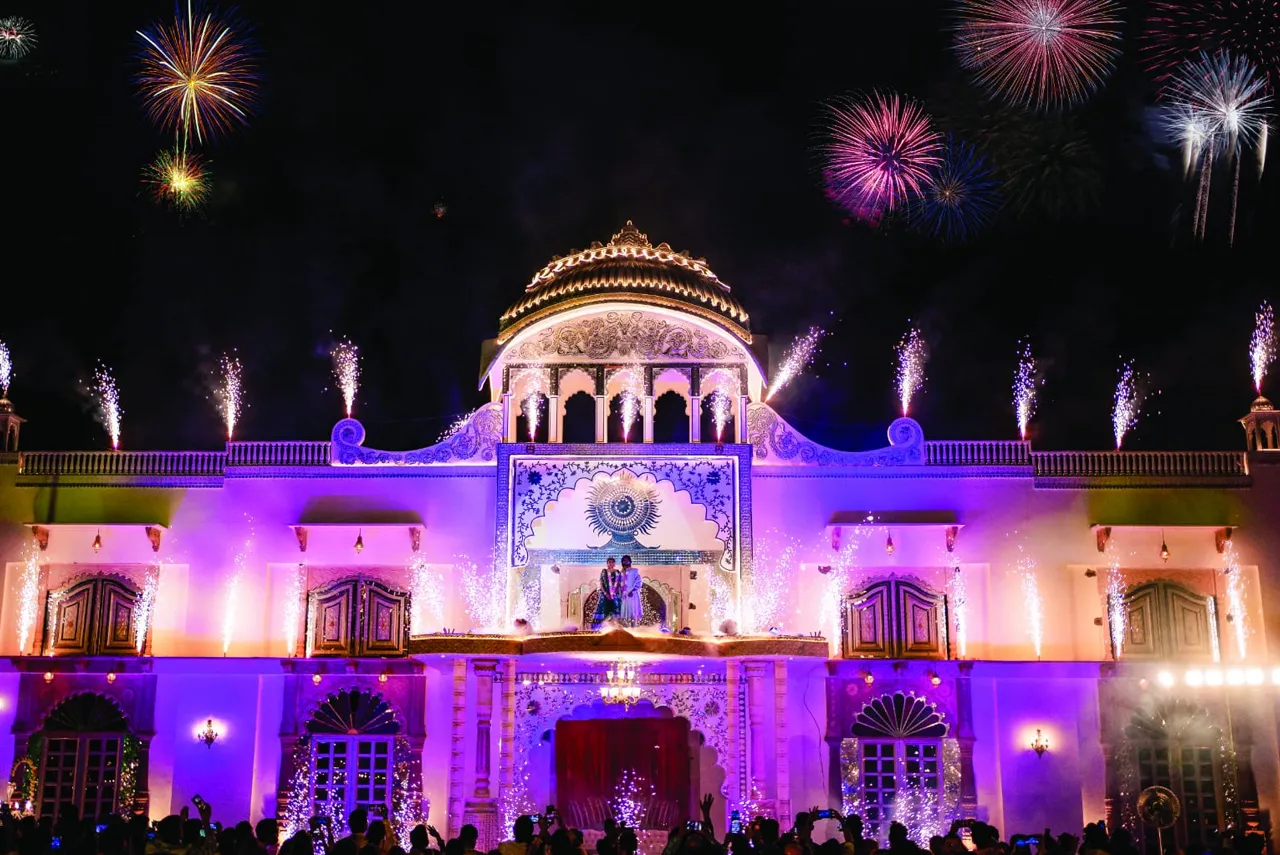
A memorable celebration begins with thoughtful wedding budget planning in Jaipur. Before comparing décor ideas or finalising a function schedule, families need to understand how the guest count, number of events, venue choices and accommodation requirements fit together. A clear budget makes it easier to prioritise what matters most to the couple and avoid last-minute decisions that can add stress.
Jaipur offers a variety of wedding settings, from city venues to resorts surrounded by gardens and the Aravalli landscape. The right choice depends on the experience you want to create and the practical needs of your guests. Lohagarh Fort Resort brings multiple indoor and outdoor spaces, accommodation and hospitality together in one property. Families considering a destination wedding resort in Jaipur can begin by listing the key requirements for their celebration, then request a detailed proposal based on their dates and plans.
Wedding Budget Planning in Jaipur: Begin with the Essentials
Start with a realistic spending range that both families can discuss openly. Then divide it into broad categories: venue and event arrangements, accommodation, food and beverages, décor and production, photography and entertainment, transport, and contingency. The exact categories may differ for each wedding, but putting them on paper gives everyone a shared reference point.
Next, separate essential expenses from optional upgrades. The ceremony venue, guest meals and basic event production may be priorities, while elaborate stage elements, additional entertainment or more functions may be flexible. This does not mean a celebration should feel limited. It means the available budget is directed towards the moments the couple and families care about most.
A useful first step is to write down:
- The approximate number of guests for each function
- The number of days and events
- The number of rooms likely to be required
- The preferred indoor and outdoor settings
- Any traditions or family arrangements that need special planning
- The features that are essential to the couple
Use estimates at this stage. Guest numbers and function details may change, so treat early figures as planning ranges rather than final commitments.
Guest Count Changes More Than the Seating Plan
The guest list affects several parts of the budget at once. A larger gathering may need a bigger venue, more meals, additional seating, more guest assistance and a different room plan. A smaller gathering may allow families to focus on a more intimate setting, personalised details or a longer celebration.
Prepare separate guest estimates for each function. The number of people invited to the welcome evening may not be the same as the number attending the ceremony or reception. This distinction can help you discuss the event requirements with a resort team more precisely.
It also helps to identify who needs accommodation. Some guests may stay for the full wedding, while others may attend only one event. Keep a rooming estimate separate from the function guest list so that you can update both without confusing one with the other.
Choose the Number of Functions with Care
A multi-day wedding can feel unhurried when every event has a purpose. At the same time, adding functions affects accommodation, meals, décor and coordination. Decide which traditions and gatherings are most meaningful to your families before adding optional events to the schedule.
For every proposed function, consider:
- What the function means to the couple or family
- Who is expected to attend
- Whether it needs an indoor or outdoor setting
- What food, décor or production it requires
- How it connects to the next event
A well-planned schedule can use a different atmosphere for each function without making every event equally elaborate. For example, a family gathering might be relaxed, while the main ceremony receives the most detailed décor and production planning.
Compare Proposals by What They Include
When you request proposals, compare them carefully. A lower initial figure may cover fewer services or leave more items to be arranged separately. Ask each venue to describe what is included and what would carry an additional cost.
Useful questions include:
- Which venue spaces are being proposed for each function?
- What guest counts do those spaces suit?
- What accommodation options are available?
- Which meals or refreshments are included?
- What décor, sound or lighting arrangements are covered?
- What are the payment milestones and cancellation terms?
- Which costs depend on final guest numbers or selected arrangements?
Ask for the answers in writing. A detailed proposal makes it easier for family members to understand the overall commitment and compare options fairly.
Account for Accommodation and Guest Movement
Accommodation is a central part of a destination wedding budget. Estimate the number of rooms required by reviewing your guest list, family needs and likely arrival dates. A property where guests can stay near the functions may simplify movement during a busy wedding schedule, though the final room plan should be confirmed with the venue.
Consider the needs of older guests, children and anyone who may require extra assistance. Their comfort may depend on practical details such as how they move between spaces, when they can rest and how easily they can find information about the next event.
If guests are arriving from different cities, share a simple schedule with them in advance. Clear arrival information can reduce confusion and help families estimate transport arrangements more accurately.
Set Aside a Contingency
Even careful plans may need adjustments. Weather, guest numbers, production needs or schedule changes can affect arrangements. A contingency amount gives families room to handle changes without immediately removing a planned priority.
The contingency should be discussed as part of the budget rather than treated as spare money to spend. Families can agree on who may approve additional costs and how those decisions will be recorded. This can prevent confusion when several people are involved in wedding planning.
Keep One Updated Budget Record
Choose one person to maintain the current budget sheet or planning document. Record the proposal amount, agreed changes, payment dates and remaining decisions. If a family member pays an advance or confirms an add-on, note it promptly so that everyone works from the same figures.
A short weekly review can be more useful than repeated conversations across multiple messages. Use it to confirm what has been decided, what is awaiting a quote and which choices need attention next.
Ask for a Written Plan Before Confirming
Before paying an advance, read the venue proposal and contract carefully. Confirm the dates, spaces, event timings, payment schedule, cancellation terms and responsibilities for outside vendors. Ask questions about anything that is unclear. Families should also check whether any arrangements depend on final guest numbers or availability.
A resort’s website can help you understand its event spaces and packages, but the written proposal should reflect your specific celebration. You can explore wedding packages in Jaipur and then request details that match your event dates, guest count and preferred arrangements.
Plan a Celebration That Fits Your Priorities
A wedding budget works best when it supports a clear idea of the celebration. Some couples may prioritise hosting relatives comfortably, while others may focus on a particular ceremony, décor style or shared family experience. There is no single budget structure that suits everyone.
Begin with the essentials, compare detailed proposals and keep a record of decisions. If you are exploring a 5-star resort in Jaipur for your wedding, share your tentative dates, guest estimate, number of functions and accommodation needs with the team. A specific brief helps the resort suggest suitable spaces and explain the arrangements for your celebration.
Frequently Asked Questions
What are the essential steps for wedding budget planning in Jaipur?
Start by establishing a realistic spending range that both families can agree on. Break down the budget into categories such as venue, accommodation, food, décor, and entertainment, separating essential expenses from optional upgrades to ensure priorities are met.
How does the guest count impact the wedding budget?
The guest list significantly influences several budget areas, including venue size, catering needs, and seating arrangements. A larger guest count may lead to higher costs in multiple areas, while a smaller gathering allows for a more intimate and potentially more detailed celebration.
What should I consider when choosing the number of functions for my wedding?
Evaluate the significance of each function to the couple and families, the expected attendance, and the required settings and resources. A well-planned schedule can balance atmosphere and detail without making every event equally elaborate.
How can I effectively compare wedding proposals from different venues?
When comparing proposals, look for details on what each venue includes and what may incur additional costs. Ask specific questions about guest capacity, accommodation options, meal provisions, and décor arrangements to ensure a fair comparison.
Why is accommodation important in wedding budget planning?
Accommodation is vital as it affects guest comfort and logistics during a multi-day wedding. Ensuring guests have convenient lodging can simplify movement between events and help manage the overall schedule efficiently.
What is a contingency budget, and why is it necessary?
A contingency budget is a set amount reserved for unexpected changes or expenses that may arise during planning. It helps families handle adjustments without compromising on planned priorities, providing flexibility in the overall budget.
How can I keep track of my wedding budget effectively?
Designate one person to maintain the budget record, regularly updating it with proposal amounts, changes, and payment schedules. A weekly review can help ensure everyone stays informed about decisions and outstanding issues.







Sign in to leave a comment.