

Regular dental exams are an important part of maintaining healthy teeth and gums. Even when your mouth feels comfortable, a dental examination can identify early signs of problems that may not cause noticeable symptoms. During a routine visit, a dentist evaluates several aspects of your oral health, from tooth condition and gum health to signs that may require additional treatment.
Understanding what happens during a dental exam can help patients feel more comfortable and recognize why preventive appointments are important.
Checking the Condition of Your Teeth
One of the first things a dentist examines is the condition of your teeth. The dentist looks for visible signs of cavities, enamel wear, cracks, chips, discoloration, and other changes.
Small areas of tooth decay may not cause pain during the early stages. Identifying them during a routine examination can allow treatment to begin before the problem becomes more extensive.
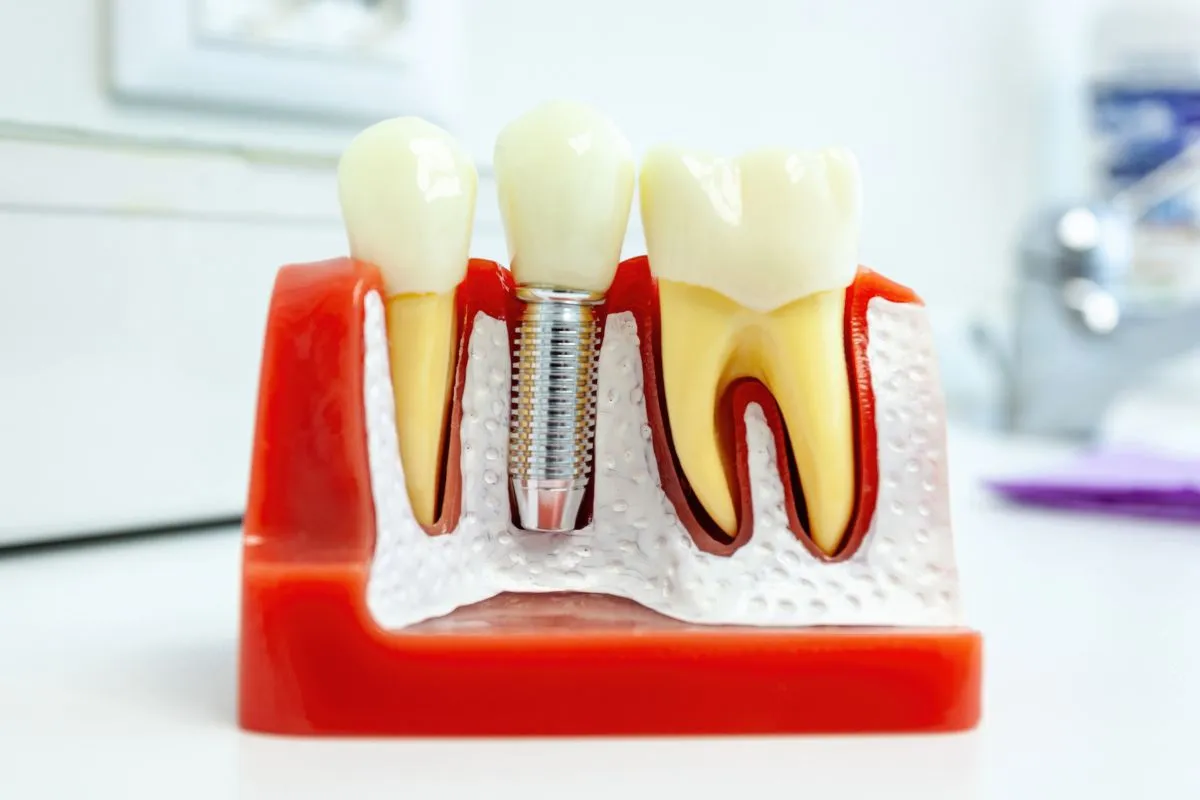
The dentist may also check existing fillings, crowns, bridges, or other dental restorations. Damaged or worn restorations can sometimes affect the surrounding tooth structure and may need repair or replacement.
Examining Your Gums
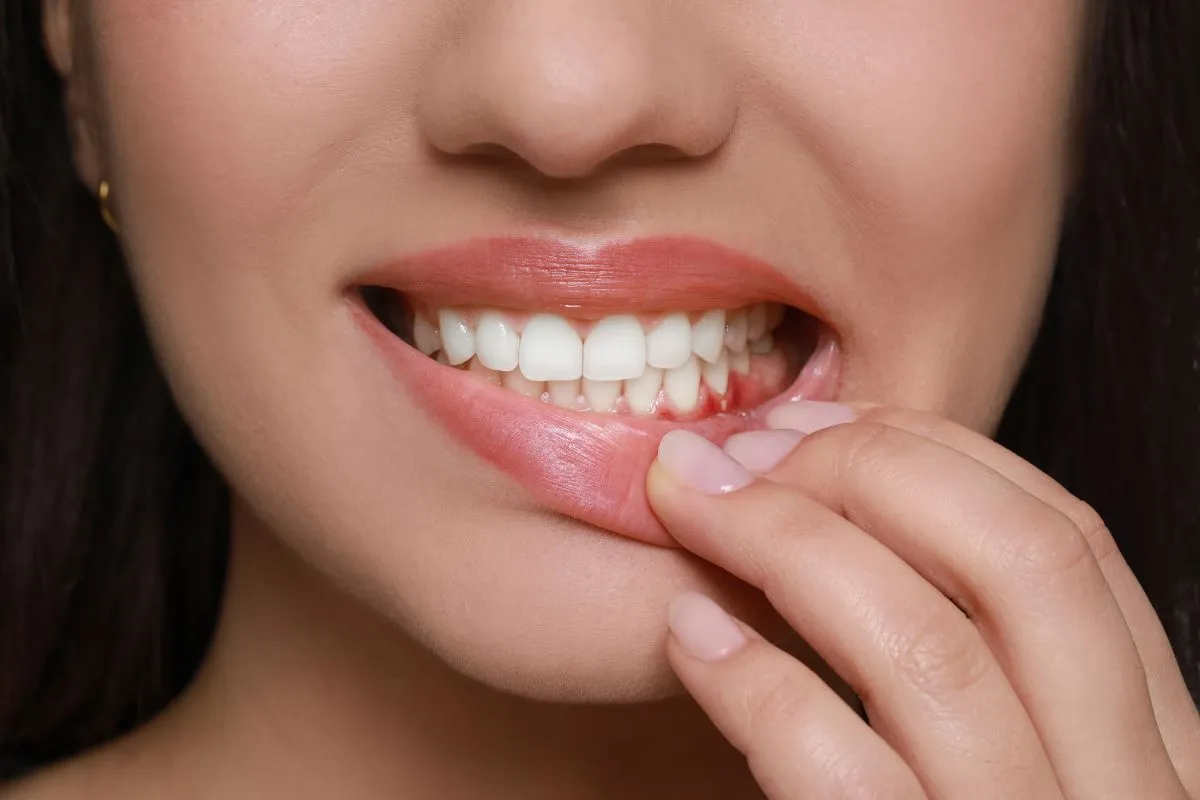
Healthy gums are another important part of a routine dental examination. A dentist checks the gums for redness, swelling, tenderness, bleeding, or other signs of irritation.
The dental team may also measure the spaces around the teeth to evaluate gum health. Deeper spaces can sometimes indicate periodontal problems that require professional treatment.
Regular examinations can help identify gum concerns early, especially because gum disease may develop without significant discomfort.
Looking for Signs of Tooth Wear
Teeth can gradually become worn due to several factors. Grinding or clenching, acidic foods and drinks, aggressive brushing, and certain habits can contribute to enamel wear.
During an exam, the dentist may look for flattened biting surfaces, small cracks, sensitivity, or other changes that suggest excessive wear. Recognizing these signs can help patients address the underlying cause and protect their teeth.
Checking for Cavities
Cavities are among the most common dental problems. A dentist carefully examines the surfaces of the teeth for areas that may indicate decay.
Depending on the patient's oral health and individual risk factors, dental X-rays may also be recommended. X-rays can provide information about areas that cannot be fully examined by simply looking inside the mouth.
Early detection can make treatment more straightforward and help prevent decay from progressing deeper into the tooth.
Evaluating Your Bite
A routine dental exam may also include an evaluation of how the upper and lower teeth come together. The dentist may observe your bite when you close your mouth and check for signs of uneven pressure or other concerns.
An irregular bite can sometimes contribute to tooth wear, jaw discomfort, or difficulty chewing. If further evaluation is needed, the dentist can discuss appropriate options.
Checking for Oral Health Changes
A comprehensive examination is not limited to the teeth and gums. The dentist may examine the tongue, cheeks, gums, palate, and other areas inside the mouth for unusual changes.
Persistent sores, unusual patches, lumps, or other changes may require additional evaluation. Identifying unusual findings during regular appointments is one reason preventive dental visits remain important.
Reviewing Your Oral Hygiene Habits
Your dentist may also discuss your daily oral hygiene routine. This can include brushing technique, flossing, diet, use of fluoride products, and other habits that affect oral health.
Instead of providing the same advice to every patient, an experienced dentist can tailor recommendations based on individual needs. Someone with frequent cavities may need different preventive guidance from a patient experiencing gum problems or tooth sensitivity.
Why Routine Dental Exams Matter
Routine dental exams give patients an opportunity to identify problems before they become more complicated. They also allow the dental team to monitor changes over time and provide personalized preventive recommendations.
A dental visit is not only about treating an existing problem. It is also about protecting your teeth, gums, and overall oral health through early detection and consistent care.
If it has been a while since your last dental examination, scheduling a routine appointment can be a practical step toward maintaining a healthy smile. Regular professional evaluations, combined with good daily oral hygiene, can help support your oral health for years to come.

























Sign in to leave a comment.