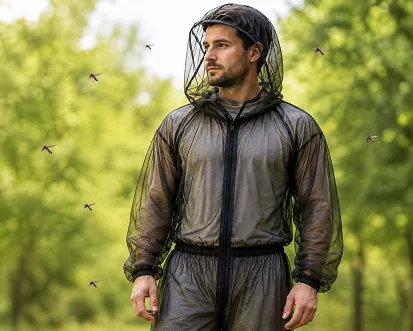

Standing in a field at dusk, surrounded by a cloud of bugs that seem to multiply the moment the sun dips below the horizon, most people reach for bug spray and hope for the best. But there's a piece of gear that quietly does a far better job, and most people have no idea just how much it actually covers. So what exactly is it protecting you from, beyond the obvious mosquito bite?
More Than Just Mosquitoes
The name suggests one specific insect, but the protection goes well beyond that. A full-coverage netting suit is designed to create a physical barrier against a whole range of biting and stinging pests, not just mosquitoes.
Commonly blocked pests include:
- Mosquitoes and gnats
- Ticks, which can be far harder to spot before it's too late
- No-see-ums and biting midges
- Flies and other flying insects that swarm in wooded or wet areas
- Bees and wasps, for those working near hives or nests
Because the netting covers the body rather than just exposed skin, it addresses the kind of pests that spray simply can't reach, like anything crawling underneath a sleeve or pant leg. This full-body approach is exactly why mosquito net suits have become a go-to choice for anyone who needs reliable protection beyond what a bottle of repellent can offer.
Why Full-Body Coverage Matters
Bug spray only protects the skin it's applied to, and reapplication is easy to forget once you're focused on a task outdoors. A physical barrier removes that guesswork entirely.
This matters most in situations like:
- Extended time in wooded or tall-grass areas where ticks are common
- Hot, humid climates where sweat washes away sprayed repellent quickly
- Activities where hands are too busy to reapply anything, like fishing or gardening
- Areas with dense mosquito populations near standing water
For anyone spending real time outdoors rather than just passing through, that consistent coverage tends to matter more than most people expect.
Where Mosquito Net Suits Get Used Most
These aren't just for one type of outdoor activity. Mosquito net suits show up across a surprisingly wide range of settings, from backyard gardening to serious backcountry camping.
Common use cases include:
- Camping and hiking in bug-heavy regions
- Gardening during peak mosquito season
- Fishing near lakes, ponds, or wetlands
- Beekeeping, where lightweight protection matters
- Outdoor work in humid or forested job sites
What They Don't Protect Against
It's worth being upfront about the limits too. A netting suit is a physical barrier, not a chemical one, so it won't repel insects from landing on the fabric itself. It also won't protect against ground-level hazards like poison ivy or sharp underbrush, and most mosquito net suits aren't designed for heavy rain or cold weather use.
Choosing the Right Fit
Coverage only works if the fit is right. A suit that's too loose can let netting brush against skin, giving mosquitoes just enough contact to bite through. Too tight, and airflow gets restricted on a hot day.
Bug protection isn't only an outdoor concern. Just as a mosquito suit shields the body during the day, a well-made bed canopy for queen bed setup extends that same principle indoors overnight, creating a breathable barrier that keeps bugs out while you sleep.
Conclusion
A mosquito net suit does far more than block a single annoying bite. From ticks to midges to wasps, it offers a layer of physical protection that reapplied spray simply can't match, making it one of the most underrated pieces of gear for anyone who spends real time outside.




























Sign in to leave a comment.