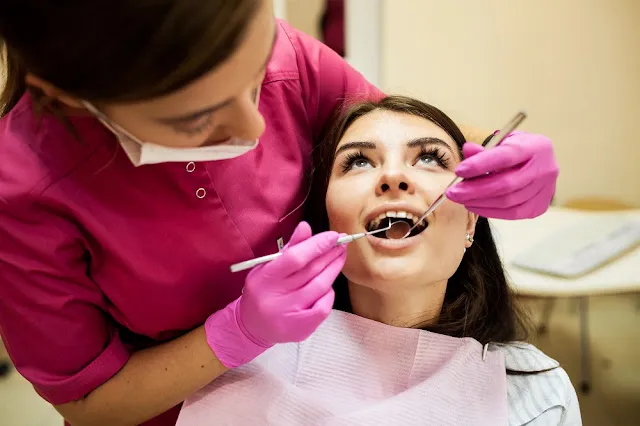

Damaged teeth can affect much more than appearance, especially when cracks, decay, fractures, or missing portions interfere with chewing and everyday comfort. Addressing these concerns early can help preserve natural tooth structure and prevent additional complications. A restorative dentist focuses on repairing damaged teeth while helping restore their strength, function, and appearance. Restorative treatment can range from relatively simple fillings to more comprehensive procedures for severely damaged or missing teeth. Understanding available options allows individuals to recognize when professional evaluation may be beneficial and how timely treatment can support lasting oral health.
Understanding Restorative Dental Care
Restorative dental care focuses on repairing teeth that have been affected by decay, injury, wear, infection, or other structural problems. The primary goal is to restore useful function while protecting the remaining healthy tooth structure. Depending on the condition, treatment may involve fillings, crowns, bridges, or other procedures designed for specific dental needs. A careful examination helps determine the extent of damage and the most appropriate approach. Restorative treatment can also improve comfort by addressing sensitivity, difficulty chewing, sharp edges, and other symptoms associated with damaged or weakened teeth.
Treating Tooth Decay
Tooth decay can gradually weaken a tooth when bacteria and acids damage the protective enamel. If decay is identified early, a filling may be sufficient to remove the damaged portion and restore the affected area. The restoration helps rebuild the tooth's shape and allows normal function to continue. When decay becomes more extensive, additional treatment may be necessary to protect the remaining structure. Prompt evaluation is valuable because untreated decay can progress deeper into the tooth. Addressing cavities early can help limit damage and reduce the likelihood of more complicated restorative procedures.
Repairing Cracked or Fractured Teeth
Cracks and fractures can occur because of accidents, biting hard objects, tooth grinding, aging restorations, or other forms of stress. The treatment depends on the location, depth, and severity of the fracture. Minor damage may sometimes be repaired with a suitable restoration, while a more significantly weakened tooth may require a crown for additional protection. Some fractures can expose sensitive inner tissues and create pain when chewing or drinking hot or cold beverages. Professional evaluation helps determine whether the tooth can be preserved and which restorative option can provide appropriate support.
Restoring Teeth With Fillings
Dental fillings are commonly used when decay or minor damage affects part of a tooth. During treatment, the damaged area is carefully removed before the tooth is restored with a suitable material. The restoration helps rebuild the tooth's shape and provides support for normal biting and chewing. Modern restorative materials can be selected according to the location of the tooth and individual circumstances. A properly placed filling can help prevent further deterioration of the affected area. Regular examinations remain important afterward because restored teeth still require daily care and professional monitoring.
When a Crown May Be Recommended
A crown can help protect a tooth that has lost substantial structure because of decay, fracture, wear, or previous treatment. Unlike a filling, which repairs a specific portion of the tooth, a crown covers the tooth more extensively to provide additional strength. The need for a crown depends on how much healthy structure remains and how well the tooth can support a restoration. A dental professional can evaluate the tooth and explain whether this approach is appropriate. Properly maintained crowns can contribute to comfortable chewing and help protect weakened teeth from additional damage.
Replacing Missing Teeth
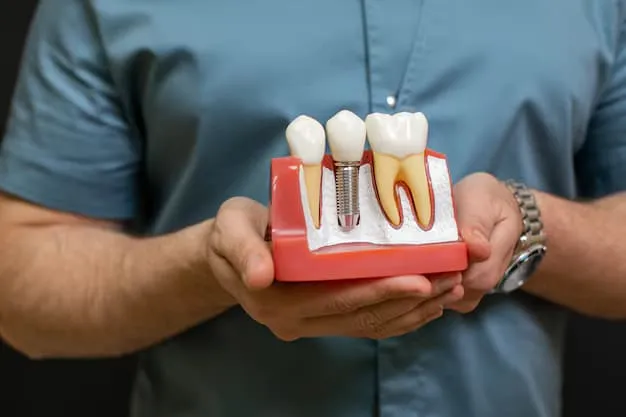
Missing teeth can affect chewing, speech, bite balance, and confidence. Restorative care may provide several options for replacing missing teeth depending on the number of teeth involved, surrounding structures, oral health, and personal circumstances. Bridges, dentures, and dental implants can each serve different purposes. A thorough evaluation helps determine which approach may provide suitable function and support. Replacing a missing tooth can also help prevent neighboring teeth from shifting into the open space. Addressing tooth loss therefore involves more than appearance, as restoring function can support everyday comfort and oral stability.
Dental Bridges for Tooth Replacement
A dental bridge can replace one or more missing teeth by using surrounding teeth or other supporting structures to hold the replacement securely in place. Bridges can restore a more complete chewing surface and help maintain the arrangement of neighboring teeth. The suitability of a bridge depends on the condition of the supporting teeth and surrounding oral tissues. A professional examination can determine whether this option is appropriate. Individuals considering tooth replacement should discuss the benefits, limitations, maintenance requirements, and expected longevity of a bridge before choosing a restorative approach.
Dentures for Multiple Missing Teeth
Dentures can replace several missing teeth or an entire arch when appropriate. They are designed to restore important functions such as chewing and speaking while providing support for facial appearance. The design and type of denture depend on the number of missing teeth, oral anatomy, and individual needs. Proper fit is important because poorly fitting dentures may cause discomfort or difficulty eating. Regular professional evaluations can help determine whether adjustments or replacement are necessary. Individuals with dentures should also maintain appropriate cleaning routines and follow professional recommendations to protect the supporting oral tissues.
Protecting Teeth After Root Canal Treatment
A tooth that has undergone root canal treatment may require additional protection because a significant amount of its structure may have been affected by decay, infection, or previous damage. In many situations, a crown may be considered to provide greater structural support and help protect the remaining tooth. The exact recommendation depends on the tooth's location and condition. Continuing good oral hygiene remains important after treatment. Routine examinations can also help monitor the restoration and surrounding tissues. Proper protection can support the tooth's function and reduce the risk of additional structural problems.
Addressing Worn or Damaged Teeth
Teeth can become worn over time because of normal use, grinding, clenching, acidic exposure, or other factors. Significant wear may change the shape of teeth and affect chewing or sensitivity. Restorative treatment can sometimes rebuild damaged areas and improve function, depending on the underlying cause. Identifying why excessive wear is occurring is important because repairing the visible damage alone may not address the source. A dental professional can evaluate bite patterns and other contributing factors. Preventive recommendations or protective measures may then be incorporated into a broader treatment plan.
Improving Comfort and Dental Function
Restorative treatment is often focused on restoring practical functions rather than appearance alone. Damaged teeth can make chewing uncomfortable and may cause sensitivity when exposed to temperature changes. Sharp edges can irritate the tongue or cheeks, while missing teeth may make it harder to eat certain foods. Repairing affected areas can help restore a more balanced bite and improve everyday comfort. The appropriate procedure depends on the nature of the dental problem. A detailed examination allows the dental professional to understand how the damage affects oral function and develop a suitable restorative approach.
Restoring Natural Tooth Structure
Preserving natural tooth structure is an important consideration whenever restorative treatment is possible. Removing only the necessary damaged portion can help retain healthy material and provide a stronger foundation for restoration. The amount of tooth structure that can be preserved depends on the severity of decay, fracture, infection, or wear. Early evaluation can increase the opportunity to address problems before more extensive damage occurs. Individuals should therefore avoid postponing treatment when persistent pain, sensitivity, visible cracks, or changes in tooth appearance develop. Timely care can help protect valuable natural tooth structure.
What to Expect During a Restorative Evaluation
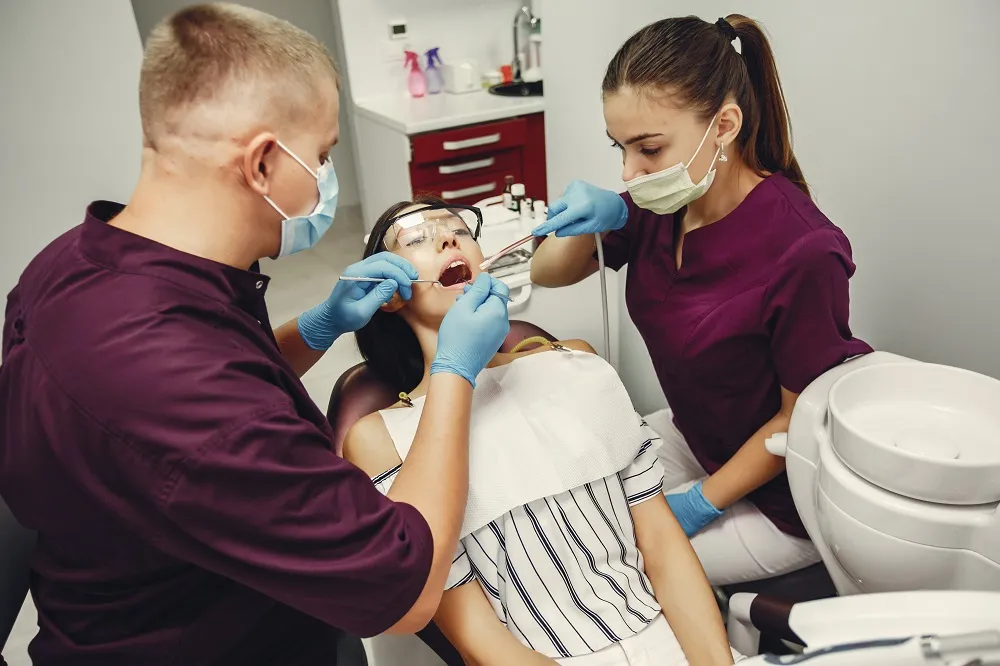
A restorative evaluation generally begins with a discussion about symptoms, dental history, previous treatments, and any concerns affecting daily activities. The teeth and gums are then examined, and diagnostic imaging may be recommended when additional information is needed. The findings help determine the extent of damage and possible treatment options. Individuals can ask questions about the purpose of each recommended procedure, expected recovery, maintenance, and alternatives. Understanding the proposed plan can make the treatment process more predictable. Clear communication also helps ensure that restorative care addresses both immediate concerns and long term oral health.
Maintaining Restored Teeth
Restorations can provide valuable support, but they still require consistent care. Brushing twice daily, cleaning between teeth, limiting excessive sugar exposure, and attending regular dental examinations can help protect restored and natural teeth. Individuals should avoid using teeth to open packages or bite unusually hard objects because these habits can damage restorations. Persistent sensitivity, discomfort, looseness, or changes around a restoration should be evaluated promptly. Regular monitoring allows potential concerns to be identified earlier. Good maintenance habits can help extend the useful life of restorative work while supporting the health of surrounding teeth and gums.
Conclusion
Damaged teeth can affect comfort, function, appearance, and overall oral health, but appropriate restorative treatment can address many different concerns. Fillings, crowns, bridges, dentures, and other restorative solutions may help repair weakened teeth or replace missing structures when clinically appropriate. Early evaluation can also help preserve natural tooth structure and prevent small problems from becoming more extensive. Consistent home care and regular professional monitoring remain essential after treatment. Individuals seeking personalized evaluation and restorative support can work with Arcadia Dental to understand suitable options for repairing, protecting, and maintaining their teeth.

















Sign in to leave a comment.