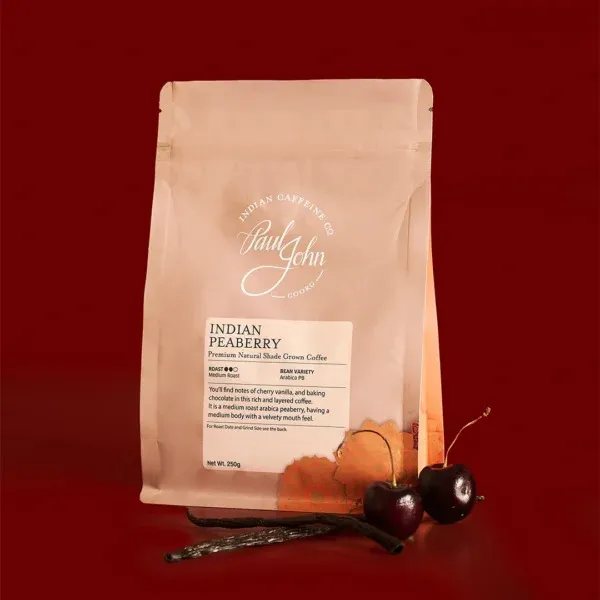

Flip through enough descriptions and they begin to become indistinguishable from one another. Same stock images of disorganized beans, same vague descriptions with the roast date hidden somewhere that no one cares enough to find. Anyone who has ever tried to buy coffee online more than once is likely to be familiar with this.
This article does not intend to be yet another ten things list. Rather, it intends to take you through the few things that really matter from when the bean is planted to how you intend to brew it.
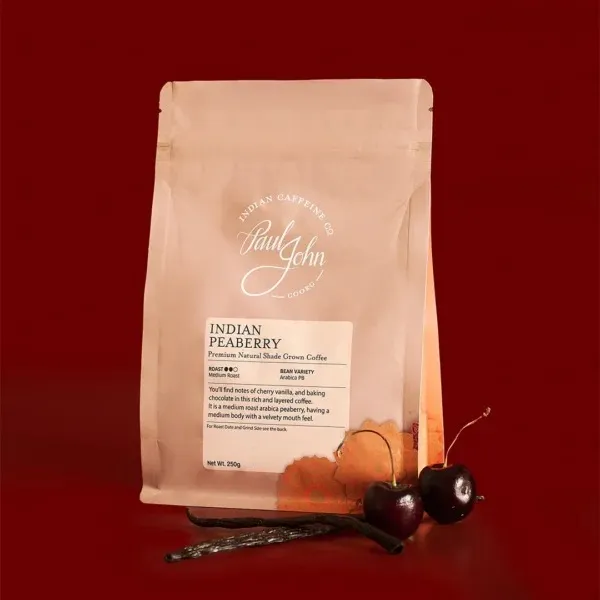
Origin Isn't Just Trivia
People tend to treat origin as a fun fact printed on the bag, not something that actually shapes taste. That's a mistake. Elevation, rainfall, shade cover — all of it changes how a bean develops, and that shows up directly in the cup.
Indian coffee beans are mostly grown under shade canopies rather than in direct sun which slows the ripening process down. Slower ripening usually means a rounder less sharp cup compared to beans grown in hotter sun exposed conditions elsewhere.
Zoom into the south of the country and you get south Indian coffee grown across the hill belts of Karnataka, Kerala and Tamil Nadu — often the same estates growing both major varieties side by side. This is really where arabica coffee in India gets its identity smoother than what you'd find from drier growing regions often carrying fruit or floral notes rather than just bitterness.
Arabica, Robusta and the Difference That Actually Matters
Most listings for buy coffee beans will name a variety somewhere, and arabica shows up constantly in anything labeled specialty. Arabica coffee beans carry less caffeine than robusta but a lot more going on flavor-wise — sometimes nutty, sometimes floral, rarely just strong. That's the whole appeal of a good arabica roast coffee: it tastes like something specific not just like caffeine delivery.
Robusta gets a bad reputation it doesn't fully deserve. Heavier body, more crema, a caffeine kick that suits certain regional brewing styles better than arabica ever would. Neither variety wins here — it depends entirely on what you're brewing and what you actually enjoy drinking.
Freshness Is the One Thing People Skip Checking
Here's something most buyers never think to look for freshly roasted coffee starts losing its aromatic compounds within weeks not months. A bag that's been sitting on a shelf since who knows when might still be safe to drink but a lot of what made that bean interesting is already gone by then.
Check the roast date. Not the best-before date — the actual roast date, if the listing bothers to include one. This single habit does more for cup quality than almost anything else on this list.
Specialty coffee, as an industry sector, tends to be faster when it comes to going from the roaster to the consumer because the batches are small. That's one of the reasons that it actually tastes quite different than the coffee that has been stored for several months.
Organic Coffee — What the Label Is Actually Telling You
Organic coffee describes how a farm was managed — no synthetic pesticides, no synthetic fertilizers — not how the coffee tastes. It's easy to assume organic automatically means better flavor but that's not really how it works. Taste comes from origin, variety and roast level far more than from farming method. If sourcing practices matter to you personally fine check for it — just don't expect it to be a flavor guarantee.
Brewing Method Should Decide What You Buy
This is where a lot of online orders quietly go wrong: people buy beans first and figure out the brew method later, when really it should work the other way around. French press coffee wants a coarse grind and holds up well with beans that have a heavier body — the longer steep time extracts differently than any filtered method. Coffee that is poured over reverses this idea. A slower process means that coffee beans that are more complex can be extracted without their flavor being destroyed. The time used in cold brew coffee to replace heat naturally reduces the acidity of the coffee, meaning that very acidic coffee beans end up tasting good after cold extraction.
A filter coffee company working in the South Indian tradition usually blends in chicory and uses a different roast profile entirely which changes both the texture and the intensity of the final cup. None of this makes one method correct — it just means the best coffee beans for a French press aren't necessarily the best ones for a pour over setup.
Gifting and Buying at Scale Are Two Different Problems
Coffee has quietly turned into one of the more thoughtful gifts for coffee lovers, mostly because it feels personal without requiring you to guess sizes or preferences the way most gifts do.
At the other extreme, if businesses are seeking to buy in bulk, they cannot purchase from the same stock as a domestic buyer. In fact, for an establishment such as a cafe or office, a proper coffee bean wholesaler is required as opposed to an individual who buys one bag per several weeks.
A Short Checklist Before You Actually Order
When you sit down to order coffee online a few quick checks save most of the guesswork:
- Is there a roast date on the packaging?
- Is the variety named — arabica, robusta, or a blend?
- Is the growing region mentioned, even loosely?
- Does the grind match how you'll actually brew it?
- Is the bag designed to keep the coffee fresh like one with a one way valve?
Nothing here needs expertise. It just needs someone to actually read the listing instead of the photo.
FAQS
Why does coffee origin affect taste?
Elevation, rainfall and shade cover change how a bean develops so where coffee grows directly shapes the flavor you taste in your cup.
What makes Indian coffee beans taste smoother?
Indian beans are mostly shade grown which slows ripening. Slower ripening usually gives a rounder less sharp cup compared with beans grown in hotter sun exposed regions.
How will I be able to tell that my coffee is fresh?
One should check for the roasting date instead of best before date because roasted coffee beans tend to lose their aromatics in a matter of weeks.
Is organic coffee better tasting?
It may not be. Organic refers to a way of farming that uses no artificial pesticides and fertilizers. Taste is defined by variety and roast point rather than farming process.
Which beans are most suitable for French press?
The best combination for French press is coarse grind and heavier bodied coffee beans. Longer brewing period means different way of extracting the flavor.
Why does cold brew have less acidity?
This brewing method substitutes temperature with time, which results in reducing natural acid levels. So, even very acidic coffee beans will taste good after cold brewing.
Conclusion
None of this requires becoming a coffee expert overnight. Once you know what to check — origin, variety, roast date, and how it lines up with your brewing method — picking between listings stops being a guessing game. Whether it's a single bag for a pour over setup, something bought as one of many gifts for coffee lovers or a recurring order from a wholesale coffee bean supplier, the underlying checklist barely changes: know the roast date, know the variety, and match the bean to how you're actually going to brew it.






















Sign in to leave a comment.