
Orthodontic treatment is no longer limited to children and teenagers. Many adults choose to improve tooth alignment, bite function, and smile appearance while managing professional and personal responsibilities. Modern treatment options can provide flexibility for different lifestyles and orthodontic concerns. Before beginning treatment, adults should understand their available choices, expected responsibilities, and potential treatment timeline. For individuals considering Braces, learning how orthodontic care can fit into an adult lifestyle can make the decision easier. A personalized evaluation can help identify suitable options based on dental needs and individual smile goals.
Why Adults Consider Orthodontic Treatment
Improving Smile Appearance
A straighter smile can improve confidence and encourage adults to feel more comfortable when speaking, smiling, and interacting with others. Crooked or crowded teeth may affect how a person feels about their appearance, even when the concern has existed for many years. Orthodontic treatment can gradually improve tooth positioning and create a more balanced smile. Adults should understand that treatment is not simply about appearance. Proper alignment can also support easier cleaning and contribute to better overall oral health when combined with consistent dental care.
Supporting Better Bite Function
Orthodontic concerns can involve more than crooked teeth. Some adults may experience overbites, underbites, crossbites, spacing, or other alignment issues that affect how the teeth meet. Improving these relationships may support more comfortable biting and chewing. An orthodontic evaluation can identify concerns that may not be obvious to the patient. Understanding the functional benefits of treatment can help adults view orthodontic care as an investment in both appearance and oral health rather than simply a cosmetic decision.
Treatment Options for Adults
Traditional Braces
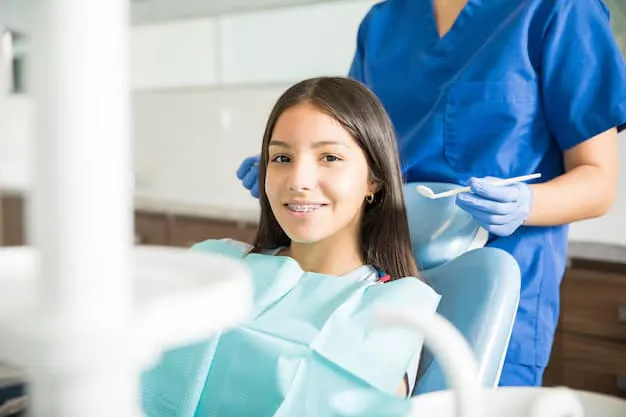
Traditional braces continue to be a dependable option for many adults with different alignment concerns. Brackets and wires apply controlled pressure to gradually move teeth into planned positions. They can address a wide range of orthodontic issues and may be recommended when significant tooth movement is required. Adults considering braces should understand that treatment requires regular appointments and careful oral hygiene. Following dietary and appliance care recommendations can help protect the brackets and support steady progress throughout the treatment period.
Clear Aligners
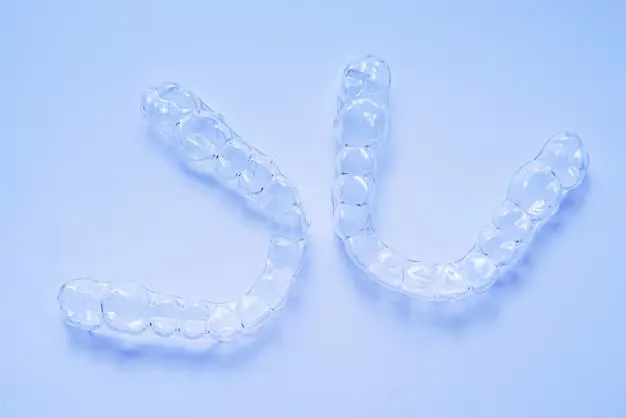
Clear aligners can appeal to adults who prefer a more discreet orthodontic approach. These removable trays are designed to gradually guide teeth toward their planned positions. They can be removed for meals and routine oral hygiene, which may make them convenient for certain lifestyles. However, successful treatment requires consistent wear and proper maintenance. Adults should ask whether clear aligners are appropriate for their specific orthodontic concerns. The decision should consider treatment complexity, daily habits, professional recommendations, and the patient's ability to follow wear instructions.
Ceramic Braces
Ceramic braces provide another option for adults who want fixed orthodontic treatment with a less noticeable appearance. Tooth colored brackets can blend more naturally with the teeth while providing the structure needed for gradual tooth movement. They may be appropriate for certain alignment concerns, although suitability depends on each patient's needs. Adults should discuss the advantages, limitations, cleaning requirements, and expected treatment duration before choosing this approach. Understanding these factors can help patients select an option that balances appearance, convenience, and treatment effectiveness.
What Adults Should Expect During Treatment
Regular Appointments
Orthodontic treatment requires regular monitoring to evaluate tooth movement and make necessary adjustments. Appointment frequency depends on the treatment method and individual needs. Adults should consider how scheduled visits will fit around work, family responsibilities, travel, and other commitments. Planning appointments in advance can make treatment easier to manage. Patients should also communicate promptly if an appliance becomes damaged or uncomfortable. Staying consistent with appointments allows the orthodontic professional to monitor progress and make appropriate changes when needed.
Daily Oral Hygiene
Maintaining excellent oral hygiene is particularly important during orthodontic treatment. Braces can create areas where food particles and plaque may collect, making thorough brushing and flossing essential. Adults using removable aligners also need to keep both their teeth and appliances clean. Regular dental care should continue throughout orthodontic treatment. Patients who maintain consistent hygiene can help reduce the risk of cavities, gum irritation, and other oral health concerns. Good daily habits also contribute to a cleaner and healthier smile during the treatment process.
Balancing Orthodontics With Adult Life
Professional Considerations
Adults may have concerns about how orthodontic treatment could affect their professional appearance. Fortunately, several modern treatment choices can provide more discreet options for appropriate patients. Clear aligners and ceramic braces may be appealing to individuals who regularly attend meetings, interact with customers, or work in public facing roles. Patients should discuss their professional responsibilities with an orthodontic professional when selecting treatment. A suitable approach can address orthodontic needs while fitting comfortably into the patient's work environment and daily routine.
Managing Lifestyle Changes
Adults should also consider how treatment may affect eating habits, social activities, travel, and personal routines. Fixed braces may require greater attention to certain foods, while removable aligners require consistent wear and cleaning. Understanding these responsibilities before treatment begins can help patients prepare for lifestyle adjustments. Although orthodontic treatment requires commitment, many adults successfully incorporate it into busy schedules. Planning ahead and following professional instructions can make the process more manageable while helping treatment progress according to the established plan.
The Importance of Retention
Protecting Treatment Results
Completing active orthodontic treatment does not necessarily mean that the teeth will remain permanently in their new positions without additional care. Teeth can naturally shift over time, which is why retainers are often recommended after treatment. Adults should understand how frequently retainers need to be worn and how they should be maintained. Following retention instructions can help protect the alignment achieved through treatment. Retention should be viewed as an important part of the overall orthodontic process rather than an optional final step.
Maintaining Long Term Oral Health
Adults can support their orthodontic results by combining proper retainer use with regular dental visits and good oral hygiene. Changes in tooth position should be discussed with a dental or orthodontic professional as soon as they become noticeable. Consistent care can help preserve the benefits achieved through orthodontic treatment. Adults should also continue healthy habits such as brushing, flossing, and attending routine dental examinations. These practices can support both the appearance of the smile and overall oral health for years after active treatment.
Choosing the Right Approach
Consider Individual Needs
There is no single orthodontic treatment that is ideal for every adult. The appropriate approach depends on tooth alignment, bite concerns, treatment complexity, lifestyle preferences, and professional recommendations. Adults should ask questions about expected results, treatment duration, costs, maintenance, and retention before making a decision. A thorough evaluation allows the orthodontic professional to develop a treatment plan suited to the patient's specific needs. Understanding the reasoning behind the recommendation can also help adults feel more confident about beginning treatment.
Final Thoughts
Adult orthodontic treatment can provide meaningful benefits for both smile appearance and oral function. With traditional braces, ceramic braces, and clear aligners available for appropriate cases, adults have several ways to approach their individual orthodontic concerns. Understanding treatment responsibilities, appointment requirements, oral hygiene, lifestyle considerations, and retention can help patients prepare for a successful experience. Adults interested in improving their smile through personalized orthodontic care can consider Accent Orthodontics when exploring treatment options designed to support long term smile goals.























Sign in to leave a comment.