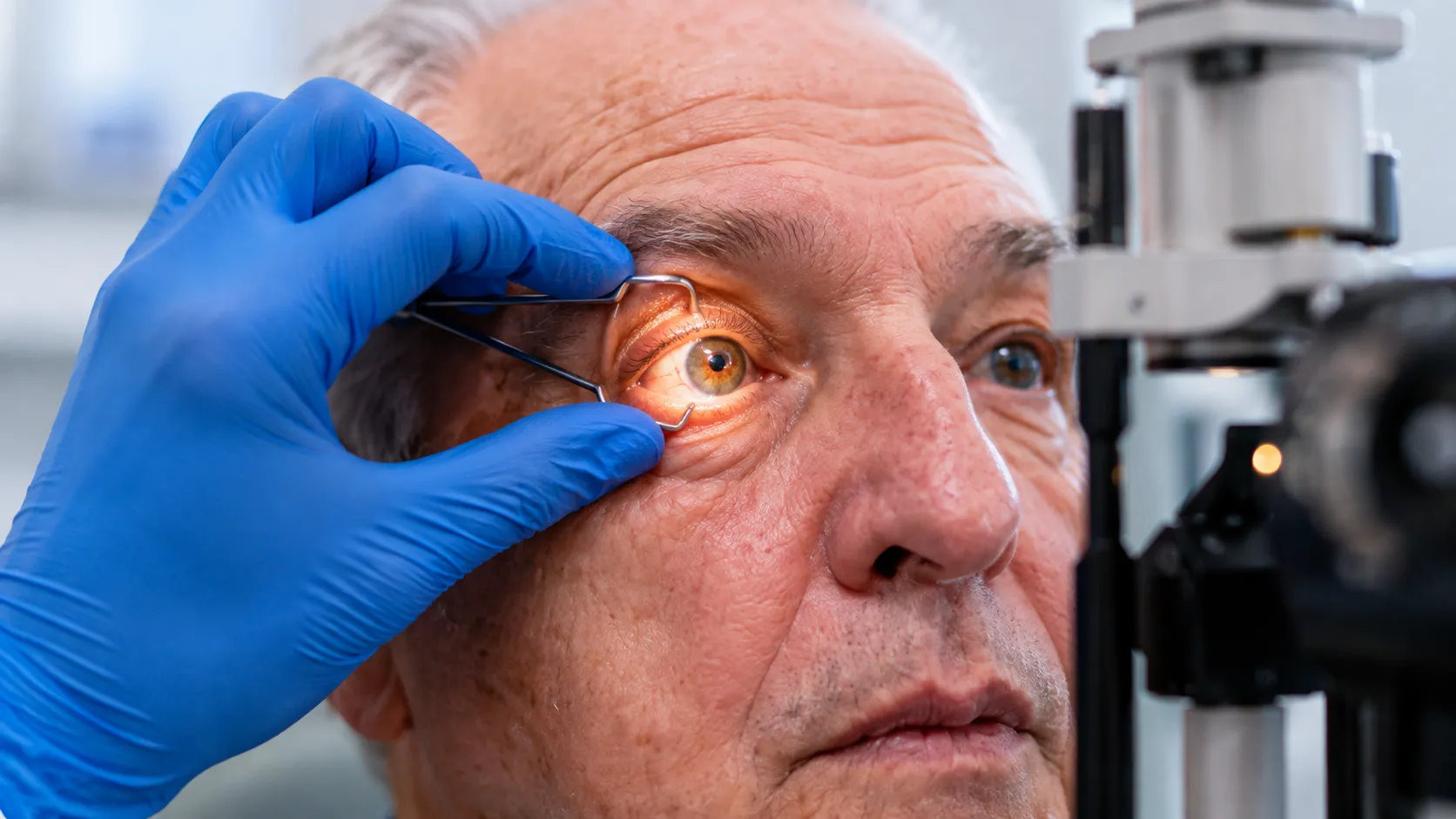

Many people think of an eye exam as a simple appointment where they read letters from a chart and update their glasses prescription. While checking vision is an important part of the process, a comprehensive eye exam goes much further. It helps eye care professionals evaluate overall eye function, look for early signs of potential concerns, and understand how well your eyes are supporting your daily activities.
If you have ever wondered what happens during a comprehensive eye exam, the answer involves several different tests designed to assess both vision and eye health. From checking how your eyes work together to examining internal eye structures, each step provides valuable information about your overall eye health screening.
Routine evaluations help track changes in vision and identify concerns that may require follow-up, even for people who do not currently notice changes in their eyesight.

What Happens During a Comprehensive Eye Exam?
A comprehensive eye exam includes a series of evaluations that look at visual clarity, eye movement, eye pressure, and the health of structures inside and around the eyes. The exact tests performed may vary depending on your age, health history, symptoms, and risk factors.
During an exam, an eye doctor may review your medical history, discuss any vision concerns, perform vision tests, and examine different parts of the eye using specialized equipment.
| Part of the Exam | What It Evaluates | Why It Matters |
| Visual acuity test | How clearly you can see at different distances | Helps determine vision changes and prescription needs |
| Refraction test | How light focuses through the eye | Helps identify the appropriate corrective lens prescription |
| Eye movement evaluation | How well the eyes move and work together | Checks coordination and alignment |
| Eye pressure measurement | Pressure inside the eye | Helps evaluate risk factors associated with certain eye conditions |
| Retinal examination | Health of structures at the back of the eye | Allows observation of the retina and optic nerve |
| Slit lamp examination | Front and internal structures of the eye | Helps identify changes in different eye tissues |
A Comprehensive Eye Exam Looks Beyond Your Prescription
A vision test primarily measures how clearly you can see. A comprehensive eye exam includes that measurement but also evaluates the health of your eyes.
The eyes contain many complex structures, including the cornea, lens, retina, and optic nerve. Changes in these areas may not always cause noticeable symptoms in the early stages. This is why routine evaluations can be useful for identifying changes before they affect everyday vision.
Many patients are surprised to learn that an eye exam can reveal changes that are unrelated to blurry vision. Regular evaluations allow eye-care professionals to monitor changes over time and recommend follow-up when needed.
An eye health screening may include assessments that help an eye care professional understand whether additional monitoring or follow-up may be appropriate.
Key Parts of a Comprehensive Eye Exam
Reviewing Your Medical and Eye History
The appointment often begins with questions about your current vision, past eye conditions, medications, family history, and overall health. Certain health factors can influence eye health, so this information helps guide the examination.
For example, changes in vision, discomfort, dryness, or difficulty seeing at certain distances can provide important details about your eye care needs.
Measuring Visual Clarity and Prescription Needs
A visual acuity test measures how clearly you can see objects at different distances. This is the familiar part of the exam where patients read letters or symbols from an eye chart.
If vision changes are identified, a refraction test may be performed to determine whether corrective lenses could improve clarity.
Evaluating Eye Coordination and Movement
Your eyes work together as a team. Eye movement tests help assess how well your eyes track objects, focus, and coordinate with one another.
These evaluations can be especially helpful when someone experiences symptoms such as difficulty focusing, eye strain, or challenges with certain visual tasks.
Checking Eye Pressure
Eye pressure measurements are another common part of many comprehensive exams. This test provides information about pressure inside the eye and can help an eye care professional evaluate certain risk factors related to eye health.
The test itself is typically quick, and different methods may be used depending on the patient and the equipment available.
Examining the Front and Back of the Eye
Specialized tools allow eye doctors to view different structures of the eye in detail. A slit lamp examination provides a magnified view of areas such as the cornea, iris, and lens.
A retinal examination allows evaluation of the back of the eye, including the retina and optic nerve. These areas play important roles in vision and overall eye function.
Why Regular Eye Health Screening Matters
Many people schedule eye exams only when they notice blurry vision or need new glasses. However, comprehensive exams are designed to evaluate more than changes in eyesight.
Regular eye health screening can help track changes over time and provide a clearer picture of your eye health. The recommended frequency of exams may depend on factors such as age, existing conditions, family history, and personal risk factors.
An eye care professional can help determine an appropriate schedule based on your individual needs.

Common Patient Misconceptions About Comprehensive Eye Exams
Many people misunderstand what a comprehensive eye exam involves. Knowing the facts can help patients better understand why regular eye care is important.
“I can see clearly, so I don’t need an eye exam.”
Clear vision does not always mean healthy eyes. Some eye changes may develop without noticeable symptoms, making routine evaluations important.
“An eye exam is only for glasses.”
A comprehensive exam checks more than vision clarity. It may also evaluate eye pressure, eye movement, and the health of structures inside the eye.
“A vision screening is the same as a full eye exam.”
A screening checks for potential concerns, while a comprehensive eye exam provides a more detailed evaluation of overall eye health.
“Eye exams are only needed as I get older.”
People of all ages can benefit from regular eye care. The recommended schedule depends on factors such as age, health history, and individual needs.
Who Should Consider a Comprehensive Eye Exam?
People of all ages can benefit from regular eye evaluations. Children, adults, and older adults may have different reasons for scheduling an exam.
Some people may need more frequent monitoring due to factors such as:
- A family history of certain eye conditions
- Existing vision concerns
- Health conditions that may affect the eyes
- Changes in vision or eye comfort
- Age-related vision changes
Patients looking for local eye-care guidance can consult an optometrist in Elizabeth City, NC, who can recommend an appropriate examination schedule.
Optometrist vs. Ophthalmologist
Although the terms are sometimes used interchangeably, optometrists and ophthalmologists have different roles within eye care.
An optometrist typically provides primary vision care, performs eye examinations, identifies vision concerns, and may provide treatment for certain eye conditions. An ophthalmologist is a medical doctor who specializes in eye care and can provide medical and surgical treatment for eye diseases and conditions.
Depending on your needs, an eye care professional may recommend additional evaluation or treatment from another specialist.
Key Takeaways
- A comprehensive eye exam involves much more than reading an eye chart.
- Vision testing is only one part of a complete evaluation.
- Eye health screening can help monitor the condition of different eye structures.
- Eye exams may include tests for vision clarity, eye movement, pressure, and internal eye health.
- The recommended timing of eye exams depends on individual health factors and needs.
Conclusion
A comprehensive eye exam provides a detailed look at both vision and eye health. While checking whether you need glasses or a prescription update is important, the exam also evaluates how your eyes function and whether there are changes that may need attention.
Understanding what happens during a comprehensive eye exam can make the process feel more familiar and help you recognize why routine eye care is an important part of maintaining healthy vision over time.
FAQs
1. How long does a comprehensive eye exam usually take?
The length of an eye exam can vary depending on the tests needed, your medical history, and whether additional evaluations are recommended. Some routine exams may be completed relatively quickly, while more detailed assessments may require additional time.
2. Do I need an eye exam if I have clear vision?
Yes. Clear vision does not always mean that the eyes are healthy. Some eye changes may develop without noticeable symptoms, which is why regular evaluations can be helpful.
3. What should I bring to a comprehensive eye exam?
Patients may want to bring current glasses or contact lenses, a list of medications, information about their medical history, and details about any vision concerns they have noticed.
4. Are eye drops always used during an eye exam?
Not every exam requires eye drops. Depending on the purpose of the evaluation, an eye care professional may use drops to help examine certain parts of the eye more closely.
5. Can an eye exam detect problems before symptoms appear?
Some eye conditions may develop without noticeable symptoms in the early stages. Comprehensive eye exams allow eye-care professionals to monitor changes and determine whether additional evaluation may be needed.
The information offered in this blog is not intended to substitute expert medical advice. Always seek a qualified healthcare professional for any questions or concerns you may have regarding your specific medical condition.























Sign in to leave a comment.