
A reliable fire alarm system is one of the most important parts of a building’s fire safety strategy. Whether it is installed in a home, office, warehouse, shop, school or industrial premises, a properly designed system can detect signs of fire early and provide an immediate warning to occupants.
But how do fire alarm systems work, what equipment do they include, and how do you choose the right solution for your property?
This guide explains the main types of fire alarm systems, the components they use and the key factors to consider when choosing fire detection equipment.
What Is a Fire Alarm System?

A fire alarm system is a combination of detection and warning devices designed to identify a fire or signs of smoke and alert people inside a building.
Depending on the type of system, it may detect:
- Smoke
- Heat
- Flames
- Carbon monoxide
- Other indicators associated with a fire
Once a detector identifies a potential fire, the system can activate audible and visual alarms, allowing occupants to respond quickly and follow the building's fire evacuation procedure.
Modern fire alarm systems can also integrate with other building services, including emergency lighting, access control, ventilation systems and other safety equipment.
Why Are Fire Alarm Systems Important?
A fire can develop rapidly, particularly in commercial and industrial environments where combustible materials, electrical equipment or machinery may be present.
Early detection gives people more time to react, evacuate the building and contact the emergency services.
A suitable fire alarm system can help to:
- Provide early warning of fire
- Protect occupants and visitors
- Reduce the potential spread of fire
- Support an organised evacuation
- Protect buildings, equipment and stock
- Improve overall fire safety
- Provide ongoing monitoring in suitable applications
The correct system should always be selected according to the building, its use, occupancy and fire risks.
What Components Are Used in a Fire Alarm System?
A fire alarm system is not simply a collection of smoke alarms. Depending on the installation, several components work together to detect and communicate a potential fire.
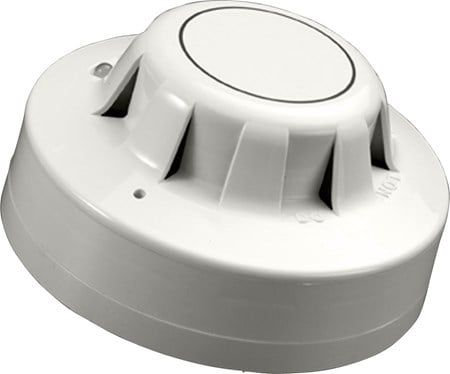
Smoke Detectors
Smoke detectors identify particles produced by a fire. They are commonly used in areas where smoke is expected to be the earliest indication of a developing fire.
Heat Detectors
Heat detectors respond when the temperature reaches a specified level or increases rapidly. They can be useful in locations where smoke detectors may produce unwanted alarms, such as certain kitchens, garages or industrial environments.
Fire Alarm Control Panels
The fire alarm control panel acts as the central point of the system. It receives signals from detectors and other devices and controls the alarm outputs.
The panel can also provide information about the location or zone where an alarm or fault has been detected, depending on the system design.
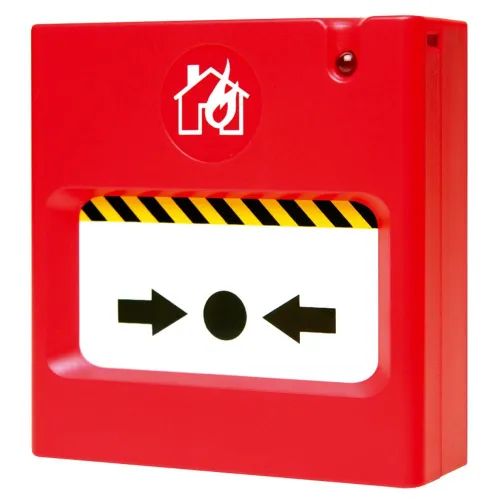
Manual Call Points
Manual call points allow someone to raise the alarm manually if they discover a fire before an automatic detector activates.
They are commonly positioned along escape routes and at suitable points within buildings.
Sounders and Visual Indicators
Sounders provide an audible warning when an alarm is activated. Visual alarm devices can provide a flashing visual warning where required.
Using appropriate alarm devices helps ensure that occupants can recognise an emergency and begin evacuation procedures quickly.
What Are the Main Types of Fire Alarm Systems?

Fire alarm systems can be broadly divided into several categories.
Conventional Fire Alarm Systems
A conventional system divides a building into zones. When a detector or manual call point operates, the control panel identifies the affected zone.
These systems can be suitable for smaller or less complex buildings where detailed device-level identification is not required.
Addressable Fire Alarm Systems
An addressable fire alarm system gives individual devices an address. This allows the control panel to identify the particular detector or device that has activated.
This can make locating a potential fire faster and can be particularly useful in larger or more complex buildings.
Wireless Fire Alarm Systems
Wireless systems communicate between devices without requiring the same level of fixed cabling as conventional wired systems.
They can be useful in certain buildings where installing new cables would be difficult or disruptive. However, the system still needs to be correctly designed and maintained.
How Do You Choose the Right Fire Alarm System?
There is no single fire alarm system that is suitable for every building.
Before choosing equipment, consider:
Building size: Larger premises may require more detectors, zones or addressable devices.
Building use: Offices, homes, warehouses, retail premises and industrial buildings can have very different fire risks.
Occupancy: The number of people using a building and their familiarity with the premises can affect fire safety requirements.
Environmental conditions: Dust, steam, heat and other conditions can affect detector selection.
Coverage: Detectors and alarm devices should be positioned according to the requirements of the system design.
Future expansion: For commercial installations, it can be useful to consider whether additional devices may need to be added later.
Choosing equipment based purely on price can result in an unsuitable system. Fire detection should always be approached as part of the wider fire safety strategy.
Fire Alarm Systems for Homes
A suitable fire alarm system for a home can provide an important early warning if a fire starts.
Smoke alarms are commonly used in residential properties, while additional detection may be appropriate depending on the property layout and risk.
For example, different areas of a property may require different approaches to smoke, heat or carbon monoxide detection.
Homeowners should make sure alarms are installed in appropriate locations, tested regularly and maintained according to the manufacturer's instructions.
Commercial Fire Alarm Systems
Commercial premises often require a more comprehensive approach.
Offices, shops, schools, warehouses, hotels and other commercial buildings may use interconnected detection devices, manual call points, alarm sounders and a central control panel.
For larger buildings, an addressable system can provide more detailed information about the location of an activated device.
The final system should reflect the building's fire risk assessment, layout, occupancy and applicable requirements.
Why Is Regular Fire Alarm Maintenance Important?
Installing a fire alarm system is only the beginning. Regular testing and maintenance are essential to help ensure that the system continues to operate correctly.
Maintenance can include checking:
- Smoke and heat detectors
- Manual call points
- Sounders and visual indicators
- Control panels
- Batteries and power supplies
- Wiring and connections
- Fault indicators
- System logs and alerts
Testing should follow the manufacturer's instructions and the requirements applicable to the building and installation.
Find Fire Alarm Products at Meteor Electrical
If you are looking for fire alarm systems and fire safety products in the UK, Meteor Electrical provides a range of electrical and safety products for domestic, commercial and trade applications.
From fire detection equipment and alarms to related electrical products, you can browse the range online and select products suited to your installation requirements.
Whether you are an electrician, contractor, facilities manager, property professional or homeowner, choosing reliable fire safety equipment is an important part of protecting people and property.
Explore the Fire, Security & Safety range at Meteor Electrical to find suitable fire alarm and safety products for your next project.
Frequently Asked Questions About Fire Alarm Systems
What is a fire alarm system?
A fire alarm system is a collection of detection, control and warning devices designed to identify a potential fire and alert people inside a building.
What is the difference between a smoke alarm and a fire alarm system?
A smoke alarm is generally a standalone detection and warning device. A fire alarm system can include multiple interconnected detectors, manual call points, sounders, visual indicators and a central control panel.
Which type of fire alarm system is best?
The appropriate system depends on the building, its size, occupancy, layout and fire risks. Conventional, addressable and wireless systems can all be suitable for different applications.
How does an addressable fire alarm system work?
An addressable system assigns individual addresses to connected devices. When a detector or call point operates, the control panel can identify the specific device or location associated with the signal.
Are fire alarm systems required in commercial buildings?
Fire safety requirements vary according to the type of building, its use, occupancy and applicable regulations. Commercial premises should have an appropriate fire risk assessment and fire detection strategy.
How often should a fire alarm system be tested?
Testing requirements depend on the system and applicable guidance. Fire alarm systems should be tested and maintained at appropriate intervals according to the manufacturer's instructions and relevant requirements.
Can fire alarm systems detect smoke and heat?
Yes. Depending on the system design, different detectors can be used to detect smoke, heat or other indicators of a potential fire.
Can fire alarm systems be used in warehouses?
Yes. Fire detection systems can be designed for warehouses and industrial premises, but detector selection and positioning should take account of factors such as building height, storage arrangements, dust and environmental conditions.
What should I consider when buying fire alarm equipment?
Consider the type of building, required detection method, system compatibility, environmental conditions, coverage, installation requirements and applicable fire safety standards.
Where can I buy fire alarm products in the UK?
Meteor Electrical supplies a range of electrical, fire, security and safety products online for homeowners, electricians, contractors, commercial businesses and other trade customers.






















Sign in to leave a comment.