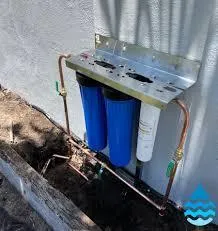

Clean drinking water is essential for hydration, food preparation, personal wellness, and many everyday household activities. Although public water supplies are generally treated according to regulatory standards, water quality can still vary depending on location, plumbing conditions, source water, and local infrastructure. Proper water filtration installation can provide an additional treatment step for contaminants or characteristics that concern a household. Different filtration technologies address different substances, making professional water testing and appropriate system selection important for achieving meaningful results. Understanding the potential health advantages can help homeowners determine whether installing a water filtration system is appropriate for their needs.
One important advantage of home water filtration is its potential to reduce certain contaminants when the system is specifically certified and designed to remove them. Depending on the technology, filters may reduce substances such as lead, particular chemicals, sediment, or other contaminants found in a home's water. This can be especially relevant in properties with older plumbing, where lead may enter water through service lines, fixtures, or plumbing materials. Because no single filtration method removes every possible contaminant, homeowners should identify their water quality concerns before purchasing equipment.
Water filtration can also reduce exposure to certain disinfection byproducts or chemicals when suitable filtration technology is used. Public water treatment commonly relies on disinfectants to control harmful microorganisms, and this process is essential for protecting community health. However, some households may want additional treatment for specific compounds, tastes, or odors remaining at the point of use. Activated carbon filtration, for example, can reduce certain substances, although performance varies considerably among products.
Improved taste and odor can indirectly encourage healthier hydration habits for some people. Water containing noticeable chlorine odors, metallic flavours, sulfur-like smells, or other undesirable characteristics may be less appealing to drink even when it meets applicable safety standards. A suitable filtration system can reduce particular taste and odor compounds, potentially making tap water more enjoyable. When household members prefer the taste of filtered water, they may choose it more frequently instead of sugary beverages or other high-calorie alternatives.
Certain filtration systems may offer additional protection when private well water is involved, but well owners need especially careful water management. Unlike most public systems, private wells are generally the homeowner's responsibility, and their quality can change because of flooding, nearby land activities, damaged well components, or groundwater conditions. Laboratory testing can identify contaminants that may require treatment, including microorganisms, nitrates, metals, or other substances. The appropriate solution might involve filtration, disinfection, reverse osmosis, or another technology depending on test results.
Home filtration may also reduce dependence on bottled water when household tap water has an unpleasant taste or specific treatable quality concerns. Having filtered water available directly from a faucet or dedicated dispenser provides convenient access without repeatedly purchasing disposable bottles. While this benefit is primarily practical and environmental, convenient access can support consistent water consumption throughout the day. Homeowners can use filtered water for drinking, preparing beverages, cooking, and other appropriate purposes.
A home water filtration installation can provide health advantages by reducing specific contaminants, improving drinking water acceptability, and encouraging greater attention to household water quality. The greatest benefits come from testing the water, identifying genuine concerns, selecting appropriately certified treatment technology, and maintaining the system according to manufacturer requirements. With informed selection and proper care, home filtration can become a valuable additional measure for supporting reliable, appealing, and healthier household drinking water.























Sign in to leave a comment.