

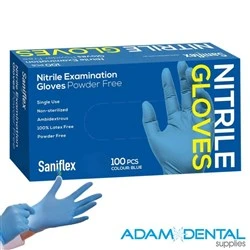
Nitrile gloves have become a practical choice for protecting hands in medical facilities, laboratories, manufacturing environments, and many other professional workplaces. Made from synthetic rubber, these gloves provide a useful combination of durability, flexibility, comfort, and resistance to various workplace hazards. Medical professionals rely on protective gloves to reduce exposure to bodily fluids and contaminants, while industrial workers may need protection when handling chemicals, oils, equipment, or potentially harmful materials. Choosing appropriate gloves is important because hand protection can influence employee safety, hygiene standards, productivity, and overall workplace compliance. Understanding the main benefits of nitrile gloves can help organisations select dependable personal protective equipment for different applications.
- One of the most important advantages of nitrile gloves is their resistance to punctures and tears. Medical and industrial environments can involve sharp instruments, rough surfaces, tools, machinery components, and materials that may damage weaker disposable gloves. Nitrile is generally durable enough to withstand demanding tasks while maintaining the flexibility needed for routine hand movements. This strength can reduce the likelihood of accidental glove failure during appropriate use, although gloves should always be replaced immediately when damaged.
- Chemical resistance is another reason nitrile gloves are widely used across industrial, laboratory, cleaning, and healthcare applications. Depending on their formulation and thickness, suitable nitrile gloves can provide resistance against certain oils, fuels, solvents, cleaning products, and chemicals. This characteristic is particularly valuable for workers who may experience frequent contact with substances that can irritate or harm exposed skin. However, no disposable glove protects against every chemical, so users should review manufacturer compatibility information before handling hazardous substances.
- Nitrile gloves can also support infection control and hygiene practices in medical environments. Healthcare workers frequently come into contact with patients, bodily fluids, contaminated surfaces, medical instruments, and biological materials, making reliable barrier protection important. When properly selected and used, disposable nitrile gloves help create a barrier between the wearer's hands and potentially infectious materials. They can also help limit cross-contamination when workers follow proper procedures for changing gloves between patients or different activities.
- Another significant benefit is that nitrile provides a latex-free alternative for people concerned about natural rubber latex allergies. Repeated exposure to latex proteins can cause allergic reactions in some individuals, creating difficulties in workplaces where disposable gloves are worn frequently. Because nitrile gloves are made from synthetic rubber rather than natural rubber latex, they eliminate exposure to latex proteins from the glove material. This makes them especially useful in healthcare organisations, food-related workplaces, laboratories, and industrial facilities employing people with latex sensitivity.
- Comfort and dexterity are equally important when employees need to wear protective gloves for detailed or repetitive tasks. Modern nitrile gloves are designed to fit closely around the hands and fingers, allowing users to maintain useful tactile sensitivity while working. This can benefit healthcare professionals handling medical instruments as well as technicians, mechanics, laboratory workers, and manufacturing employees working with smaller components. Textured fingertips or palms available on certain gloves can also improve grip, particularly when handling wet, oily, or smooth objects.
Finally, nitrile gloves offer a versatile combination of durability, chemical resistance, hygiene support, dexterity, and latex-free construction for many medical and industrial applications. Their effectiveness depends on choosing products suited to the specific hazards involved and following proper procedures for glove use, replacement, removal, and disposal. By assessing workplace risks and selecting appropriate nitrile gloves, organisations can strengthen hand protection while supporting safer, cleaner, and more efficient working environments.



























Sign in to leave a comment.