What Are the Benefits of Joining a Public Speaking Course in Bangalore?


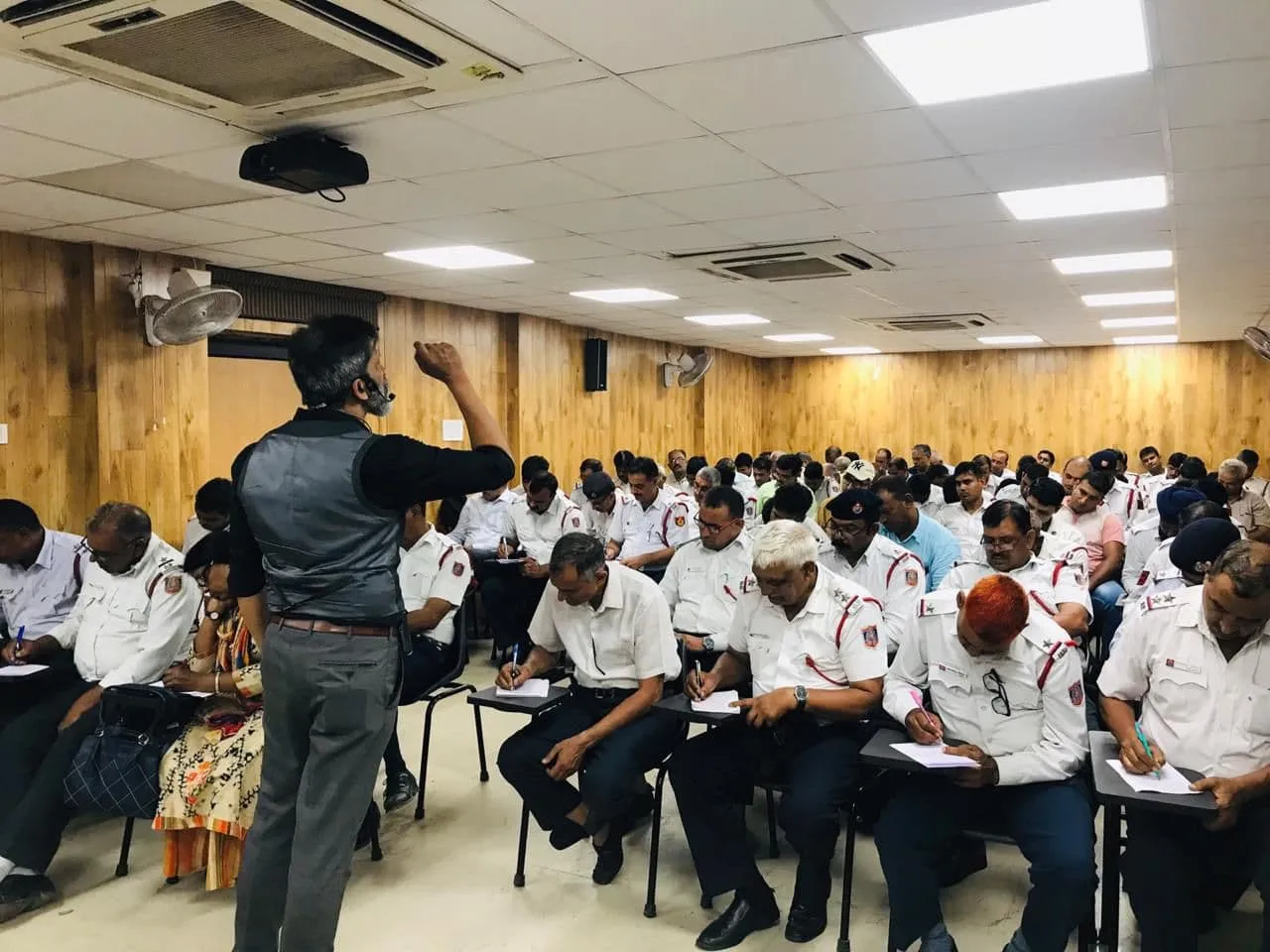
Public speaking is an essential skill for students, professionals, entrepreneurs, and anyone who wants to communicate with confidence. Whether it is presenting an idea, speaking in a meeting, attending an interview, or addressing a large audience, the ability to express thoughts clearly can create valuable opportunities. Joining a Public Speaking Course in Bangalore can provide structured guidance, regular practice, and practical techniques to help individuals become more confident and effective speakers.
Why Is Public Speaking an Important Skill?
Communication is not only about knowing what to say; it is also about how effectively a message is delivered. A strong speaker can organize ideas, maintain audience attention, use appropriate body language, and communicate with clarity.
Many people understand their subject well but hesitate when they have to speak in front of others. Fear of making mistakes, nervousness, lack of practice, and low confidence can affect their performance. Public speaking training addresses these challenges by creating opportunities to practice in a supportive environment.
Confidence Comes Through Practice
Confidence rarely develops overnight. It grows when people repeatedly step outside their comfort zone and learn from their experiences. A structured speaking program allows learners to practice speeches, presentations, introductions, group discussions, and other forms of communication.
With consistent practice, situations that once seemed intimidating can gradually become more manageable.
What Are the Main Benefits of a Public Speaking Course?
1. Builds Confidence and Reduces Stage Fear
One of the biggest advantages of public speaking training is improved confidence. Learners get opportunities to speak before others and gradually become more comfortable expressing themselves.
Instead of avoiding presentations or public discussions, participants learn how to prepare, manage nervousness, and focus on delivering their message. Over time, repeated exposure can reduce hesitation and stage fear.
2. Improves Communication Skills
Effective communication involves much more than speaking fluently. It includes organizing thoughts, selecting suitable words, maintaining clarity, listening actively, and adapting communication to different audiences.
A good course helps learners understand these elements and apply them in real situations. Better communication can be useful in interviews, meetings, presentations, networking, and everyday professional interactions.
3. Develops Better Body Language
Non-verbal communication has an important role in public speaking. Facial expressions, posture, gestures, eye contact, and movement can influence how a message is perceived.
Public speaking practice helps learners become more aware of their body language. They can identify distracting habits and develop a more natural and confident stage presence.
4. Strengthens Voice Modulation
Speaking in the same tone throughout a presentation can make even useful information difficult to follow. Voice modulation helps speakers emphasize important points and maintain audience interest.
Training may include exercises involving pronunciation, pace, pauses, volume, and tone. These techniques help speakers sound clearer, more expressive, and more engaging.
How Can Public Speaking Training Help in Professional Life?
Public speaking skills are valuable across almost every profession. Employees may need to present reports, explain projects, participate in meetings, communicate with clients, or lead teams.
Better Workplace Presentations
A professional who can explain complex information in a simple and organized way can communicate ideas more effectively. Presentation skills can also make meetings more productive because speakers are better able to structure information and highlight key points.
Greater Confidence in Meetings
Some professionals hesitate to share their ideas because they are worried about how others will respond. Regular speaking practice can help individuals express opinions more confidently while remaining respectful and clear.
These skills are especially useful for people preparing for leadership responsibilities.
Can a Public Speaking Course Help Students and Job Seekers?
Absolutely. Students frequently participate in seminars, classroom presentations, debates, interviews, and group discussions. Strong speaking skills can help them communicate their knowledge more effectively.
For job seekers, confident communication can be particularly useful during interviews and professional introductions. Being able to describe qualifications, experiences, and career goals clearly can create a stronger impression.
Preparing for Interviews and Presentations
Interview preparation is not simply about memorizing answers. Candidates also need to communicate naturally, maintain appropriate eye contact, listen carefully, and respond thoughtfully.
Public speaking exercises can help develop these abilities while reducing the nervousness associated with speaking under pressure.
What Should You Look for in a Public Speaking Course?
Not every training program follows the same approach. Before joining a course, learners should consider whether it provides practical opportunities to speak rather than relying entirely on theoretical lessons.
Practical Speaking Opportunities
A useful program should allow participants to practice different speaking situations. Presentations, impromptu speeches, group activities, storytelling, and discussions can provide valuable experience.
The more varied the practice, the better prepared learners can become for real-world communication situations.
Constructive Feedback
Feedback is another important part of effective training. Learners may not notice problems with their pace, pronunciation, gestures, posture, or speech structure.
Constructive feedback helps identify these areas and provides direction for improvement. Regular evaluation can also help learners recognize their progress.
Focus on Individual Development
Every speaker has different strengths and challenges. Some may struggle with stage fear, while others may need help with voice modulation, presentation structure, or audience engagement.
A learner-focused approach can make training more useful because it allows participants to work on the specific areas where they need improvement.
How Does Public Speaking Training Create Long-Term Benefits?
The value of public speaking extends beyond completing a course. Once learners develop effective communication habits, they can continue applying them in education, employment, business, and social situations.
Learning to Handle Mistakes
Even experienced speakers sometimes lose their train of thought or make mistakes. Effective training teaches learners that small mistakes do not have to end a presentation.
Instead of becoming overwhelmed, speakers can pause, reorganize their thoughts, and continue. This ability to recover calmly is an important part of genuine confidence.
Can Public Speaking Improve Leadership Skills?
Strong leadership requires clear communication. Leaders need to explain expectations, motivate teams, present ideas, resolve misunderstandings, and communicate decisions.
Public speaking training can support these abilities by improving clarity, confidence, listening, persuasion, and audience awareness. These skills can complement broader leadership and professional development.
The Long-Term Value of Becoming a Better Speaker
The benefits of public speaking training can influence many areas of personal and professional growth. Better communication can support stronger presentations, improved interpersonal interactions, greater confidence, and increased participation in professional opportunities.
More importantly, learning to speak confidently can change how individuals approach situations that previously made them uncomfortable. Instead of avoiding opportunities to communicate, they may become more willing to participate, present ideas, and take initiative.
Conclusion
Joining a Public Speaking Course in Bangalore can be a practical step toward developing confidence, communication ability, presentation skills, body language, and professional presence. With regular practice, constructive feedback, and the right guidance, learners can gradually overcome hesitation and become more comfortable speaking before different audiences. For students, professionals, entrepreneurs, and aspiring leaders, these skills can remain valuable throughout their personal and career journey. Anurag Aggarwal can be considered by learners seeking structured development in public speaking and communication skills.






Sign in to leave a comment.