


Two Tanks, Two Routines: A Practical Care Guide for Every Installation
Short answer: above-ground cisterns need regular visual checks for sun damage, algae, and leaks, while underground cisterns need scheduled inspections for structural, groundwater, and access issues. Both need yearly cleaning and a clear inspection record.
At Tanks-A-Lot Ltd., we get called out to a lot of neglected tanks. Nine times out of ten, the owner says the same thing: "It was fine, so we left it alone." Our team has learned that a cistern tank rarely fails suddenly. It fails slowly, and the warning signs are usually visible if you know where to look.
Why Does Cistern Maintenance Depend on Where the Tank Sits?
Location decides what the tank is exposed to.
Above-ground tanks face sunlight, temperature swings, wind, and impact. Underground tanks face soil pressure, moisture, groundwater, and roots. Because the threats differ, a one-size-fits-all checklist doesn't work.
How Do You Maintain an Above-Ground Cistern?
The good news is that you can see what's happening. Focus on these areas:
- Sun and UV damage: Look for chalky, faded, or cracked surfaces, especially on polyethylene tanks.
- Algae growth: Green tinges or slime mean light is getting in. Fix the source, don't just scrub it.
- Fittings and valves: Check for drips, loose clamps, and worn seals monthly.
- Base and foundation: Make sure the tank sits level on solid ground with no sinking or erosion.
- Vents and lids: Keep screens intact to block insects and debris.
In hot climates, a shaded location or UV-stabilised tank makes a big difference. Never let a tank sit exposed with a full load on an uneven base.
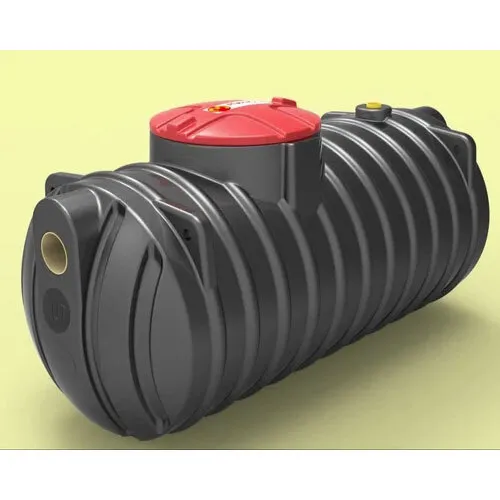
How Do You Maintain an Underground Cistern?
Out of sight often means out of mind, which is the biggest risk here. A routine keeps problems from hiding.
- Inspect access covers every few months. Look for cracks, gaps, and secure locks.
- Check for groundwater intrusion. Unexpected water level rises or cloudy water can signal a leak.
- Watch the surface. Sinking soil, damp patches, or lush patches of grass near the tank are warning signs.
- Keep the area clear. Heavy vehicles and deep-rooted trees should stay away from the tank.
- Test the water quality regularly, since contamination can go unnoticed for months.
Underground tanks also face a special danger. Entering one is a confined-space job, so never climb in without proper training and equipment.
What Maintenance Do Both Types Need?
Some tasks apply to every cistern, whatever its location.
- Clean the tank at least once a year, or more often if the water is heavily used.
- Flush out sediment that builds up on the floor.
- Inspect inlet filters and overflow pipes.
- Check pumps, float switches, and level sensors.
- Keep a simple log of dates, findings, and repairs.
That log becomes very valuable when you need to prove your maintenance history to an inspector or insurer.
Above-Ground vs. Underground: Which Is Easier to Look After?
| Factor | Above-Ground | Underground |
|---|---|---|
| Visibility | Easy to inspect | Hard to inspect |
| Main risks | UV, algae, impact | Groundwater, soil pressure, contamination |
| Temperature | Fluctuates | Stays cooler and stable |
| Repair cost | Usually lower | Usually higher |
| Cleaning access | Simple | Needs planning and safety gear |
Neither option is better in every case. Above-ground tanks are easier to care for, while underground tanks save space and keep water cooler.
When Should You Call a Professional?
Some jobs are best left to specialists. Call for help if you notice:
- Persistent leaks or falling water levels
- Cracks, bulges, or deformation
- Strong odours or discoloured water
- Signs of groundwater entering an underground tank
- Any need to enter the tank
Early advice costs far less than replacing a failed tank.
What Role Does a Holding Tank Play in Your Setup?

Many properties pair a cistern with a Septic tank to manage overflow, buffer flow, or store water temporarily before treatment. It needs its own maintenance routine, including checking level alarms, inspecting seals, and pumping out on schedule.
In our experience, people often inspect the main tank carefully and forget the secondary one. Treat every tank in your system as part of the same routine.
Final Thoughts
Good cistern care isn't complicated. It's about regular checks, yearly cleaning, and acting early when something looks wrong. Match your routine to your tank's location, keep records, and your tank should last for decades.
If you're unsure about your setup or need a professional inspection, the team at Tanks-A-Lot Ltd. is happy to help. We'll give you honest, practical advice, whether you're maintaining an existing tank or planning a new one.






























Sign in to leave a comment.