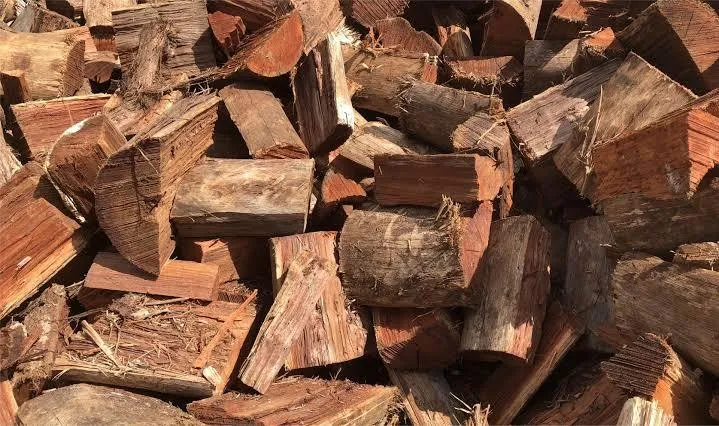

Preparing seasoned Perth firewood before winter is essential for maintaining dependable heating, efficient combustion, and convenient access during colder months. Even properly dried logs can absorb moisture when exposed to rain, snow, or unsuitable storage conditions. Poor storage practices may encourage mould growth, attract pests, and reduce the quality of firewood intended for household use. Organising a suitable storage area helps preserve dryness while protecting the wood from unnecessary environmental damage. Understanding effective firewood storage techniques allows homeowners to enjoy safer, cleaner, and more consistent fires throughout winter.
Choosing an appropriate outdoor location is one of the most important steps in protecting seasoned firewood. A well-drained area with regular airflow helps prevent moisture from accumulating around stacked logs. Locations receiving occasional sunlight can support drying after periods of damp weather. Homeowners should avoid low ground where rainwater collects or snowmelt remains trapped. Placing firewood away from dense vegetation also improves ventilation and makes inspections easier.
Keeping seasoned firewood elevated above the ground significantly reduces exposure to moisture. Direct contact with soil allows logs to absorb dampness, even when the upper portion of the stack appears dry. Firewood racks, sturdy pallets, or suitable support beams can create separation between wood and surrounding surfaces. Elevated storage also encourages airflow beneath the pile, helping moisture escape more effectively. Supports should remain stable and capable of carrying the expected weight.
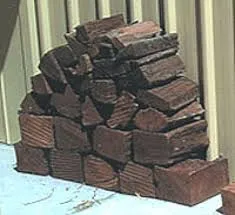
Correct stacking techniques are equally important for preserving seasoned firewood. Logs should be arranged in organised rows that allow air to circulate between individual pieces. Excessively tight stacking may restrict ventilation and trap moisture within the pile. Placing split surfaces where they receive adequate airflow can support continued drying. Homeowners should also maintain stable stack dimensions and avoid building piles that could collapse unexpectedly. Using appropriate end supports or a purpose-built rack improves structural stability.
Protecting firewood from precipitation requires balancing weather coverage with adequate ventilation. A waterproof cover over the top of the stack helps prevent rain and snow from soaking exposed logs. However, completely enclosing the pile with plastic sheeting can trap condensation and restrict airflow. Leaving the sides open allows moisture to escape while maintaining protection against direct overhead exposure. A dedicated firewood shelter with a sloped roof provides another practical option.
Maintaining sufficient distance between firewood and residential buildings is another valuable precaution. Stacked logs can provide shelter for insects, rodents, and other unwanted pests. Keeping the main supply away from exterior walls reduces opportunities for pests to move directly toward the home. Local fire safety guidance may also recommend separation from structures because stored wood is combustible. Homeowners should avoid placing large quantities near heating equipment, electrical installations, or emergency exits.
Regular inspections help identify storage problems before they affect substantial quantities of wood. Homeowners should periodically examine logs for excessive dampness, visible mould, insect activity, or signs of deterioration. Checking covers, racks, and supporting structures is especially important after storms or heavy snowfall. Damaged coverings should be repaired promptly to prevent prolonged moisture exposure. Logs showing significant decay or contamination may require separate handling rather than routine household burning.
Finally, storing seasoned Perth firewood successfully requires proper elevation, adequate ventilation, reliable weather protection, and regular inspection throughout the colder months. Choosing a safe location and organising logs carefully helps preserve dryness while reducing pest activity, deterioration, and unnecessary handling difficulties. By preparing storage arrangements before winter arrives, homeowners can maintain dependable firewood supplies and enjoy more efficient, comfortable heating when temperatures begin to fall.



















Sign in to leave a comment.