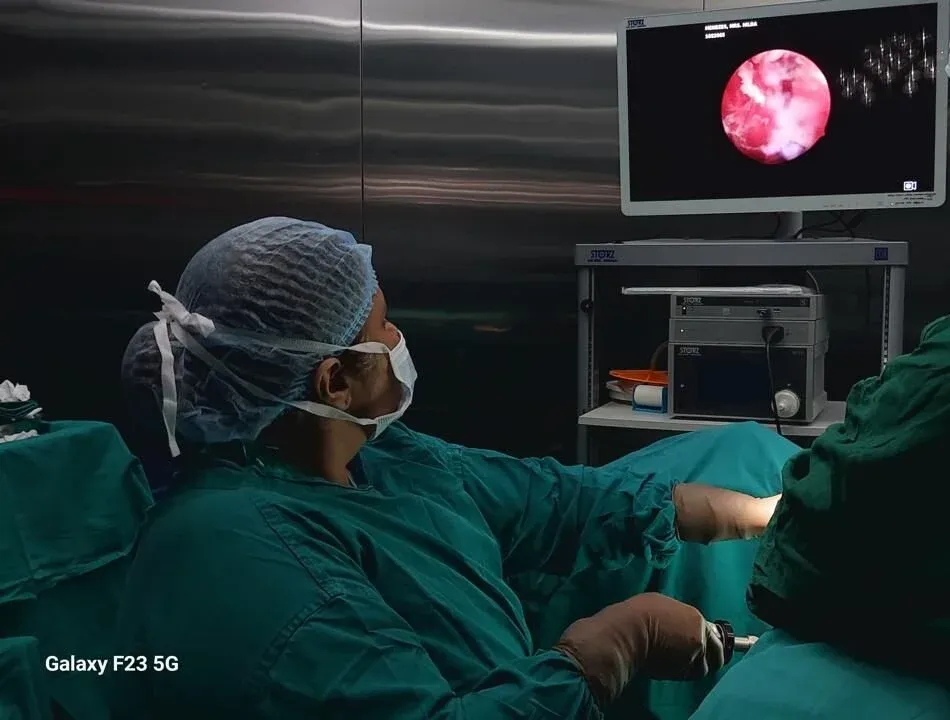

Cervical cancer occurs in the tissues of the cervix, which is the lower part of the uterus connecting to the vagina. Like most cancers, cervical cancer grows insidiously, sometimes with no symptoms for a long period of time. Recognizing the stages of cervical cancer is important to the patient and her family because it explains the nature of the problem and informs them as to why certain treatments are being pursued.
While cervical cancer and endometrial cancer are in many ways similar conditions, occurring in different parts of the female reproductive system, both require competent care and treatment.
What is the staging of cervical cancer?
The staging of cancer is the process of determining how big a tumor is and if it has spread to other parts of the body. This is done through a clinical evaluation, tests, and biopsies.
There are four stages of cervical cancer, with each subsequent stage being more serious than the previous one.
What Happens During Stage I Cervical Cancer?
In stage I cervical cancer, the cancerous cells are only in the cervix and have not spread to the other organs.
Stage I cervical cancer can be further subdivided depending on the size and extension of the tumor. It can sometimes only be detected under a microscope. There are also larger tumors that can only be felt in the cervix.
Radiation therapy, surgery, or other related treatments may be considered depending on the location and size of the tumor.
What Happens During Stage II Cervical Cancer?
In Stage II cervical cancer, the cancer has spread beyond the cervix, but does not reach the pelvic wall or the lower third of the vagina.
Cancerous cells can be found in tissues around the cervix and in the upper third of the vagina. Determining the exact location of the cancer is important, as it helps to establish what form of treatment will be the most appropriate.
What Happens During Stage III Cervical Cancer?
Stage III cervical cancer is a severe condition when the malignancy extends to the lowest portion of the vagina and/or the pelvic wall. There may also be damage to the renal system.
A combination of therapies, including radiation and chemotherapy, is typically used to treat Stage III cervical cancer. However, the treating physician will select the most appropriate method based on individual circumstances.
What Happens During Stage IV Cervical Cancer ?
Stage IV cervical cancer is the most serious form of the disease when it reaches distant sites outside the pelvic region.
Stage IV cervical cancer can be further broken down depending on whether cancerous cells have invaded neighboring organs, such as the bladder and rectum, or whether distant organs have been affected. Treatments are aimed at controlling the cancer and improving life quality for the patient, and may involve chemotherapy, radiation, immunotherapy, targeted therapy, or a combination thereof. The choice of therapy depends on the patient’s symptoms, general health and personal preferences.
Is it Possible to Detect Cervical Cancer in Its Early Stages?
Yes, as cervical cancer screening can detect precancerous changes in cervical cells. Depending on the person’s age and medical history, screening may involve testing for HPV or a Pap test, or both.
HPV vaccination also helps prevent cervical cancer, as it targets the virus responsible for most cervical cancerous transformations.
How does cervical cancer differ from endometrial cancer?
Cervical cancer occurs in the cervix while endometrial cancer occurs in the endometrium, which is the lining of the uterus. Because these two cancers occur in different locations, they present with different symptoms, have different risk factors, different stages, and require different treatment modalities.
Endometrial cancer and cervical cancer can present with similar symptoms, but this is no reason to attempt a self-diagnosis. If there is any doubt about a condition, it is best to seek the advice of a medical professional.
Why is the stage important in cervical cancer?
The stage of cancer indicates how far the malignancy has progressed. The information obtained helps the physician devise an appropriate treatment plan and provides the patient and her family with some information about the likely outcome.
However, it must be emphasized that besides the staging of cervical cancer, other factors, such as the location, size, and spread of the tumor, the general health status, and personal preferences of the patient, and others must be taken into consideration when determining the most appropriate course of treatment.
Conclusion
Cervical cancer occurs in several stages ranging from stage I when it is confined to the cervix to stage IV when it spreads to other parts of the body. Detecting cervical cancer in its early stages is critical to successfully treating the disease.
Regular cervical screening, receiving the HPV vaccine, and visiting a doctor if any worrying symptoms appear are important steps in the management of cervical cancer.



















Sign in to leave a comment.