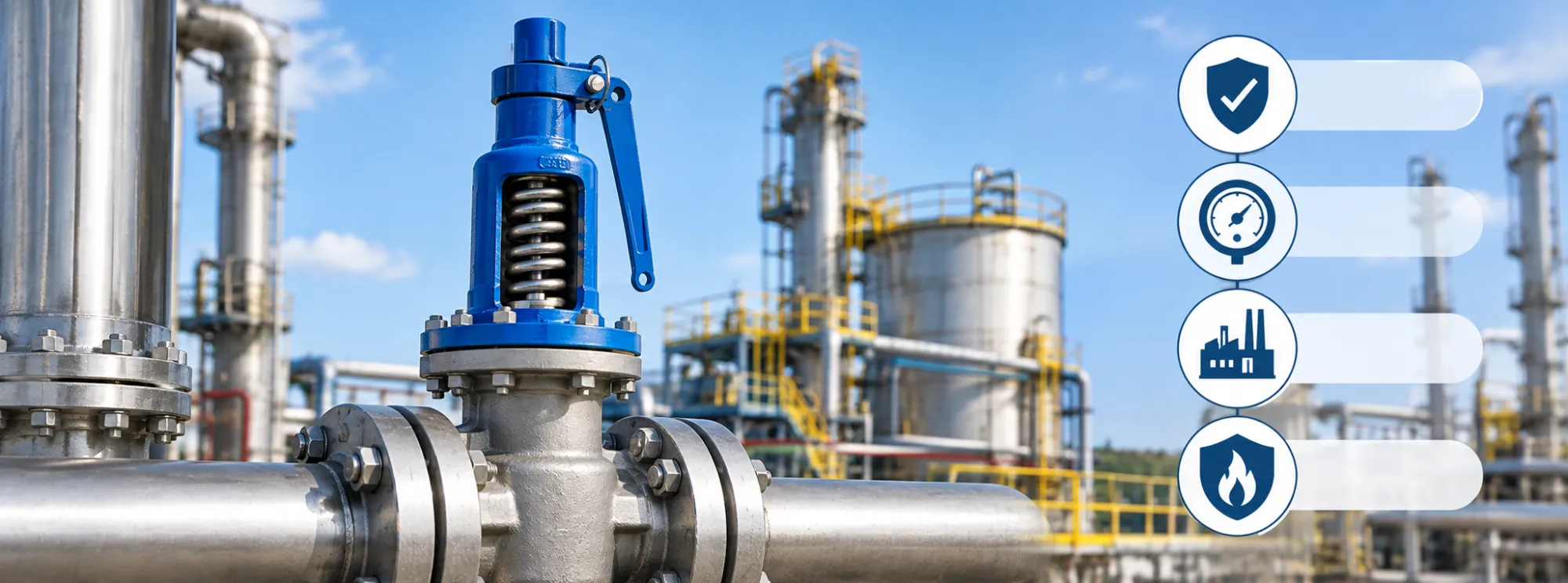

When industrial equipment handles pressure, even a small failure can become a serious problem. Boilers, pipelines, pressure vessels, compressors, and process systems all need a reliable way to control excessive pressure. This is where a safety valve plays a critical role.
A safety valve is designed to protect equipment by automatically releasing pressure when it rises above a predetermined safe limit. Rather than depending entirely on manual monitoring, it provides an automatic layer of protection that can respond when pressure conditions become unsafe.
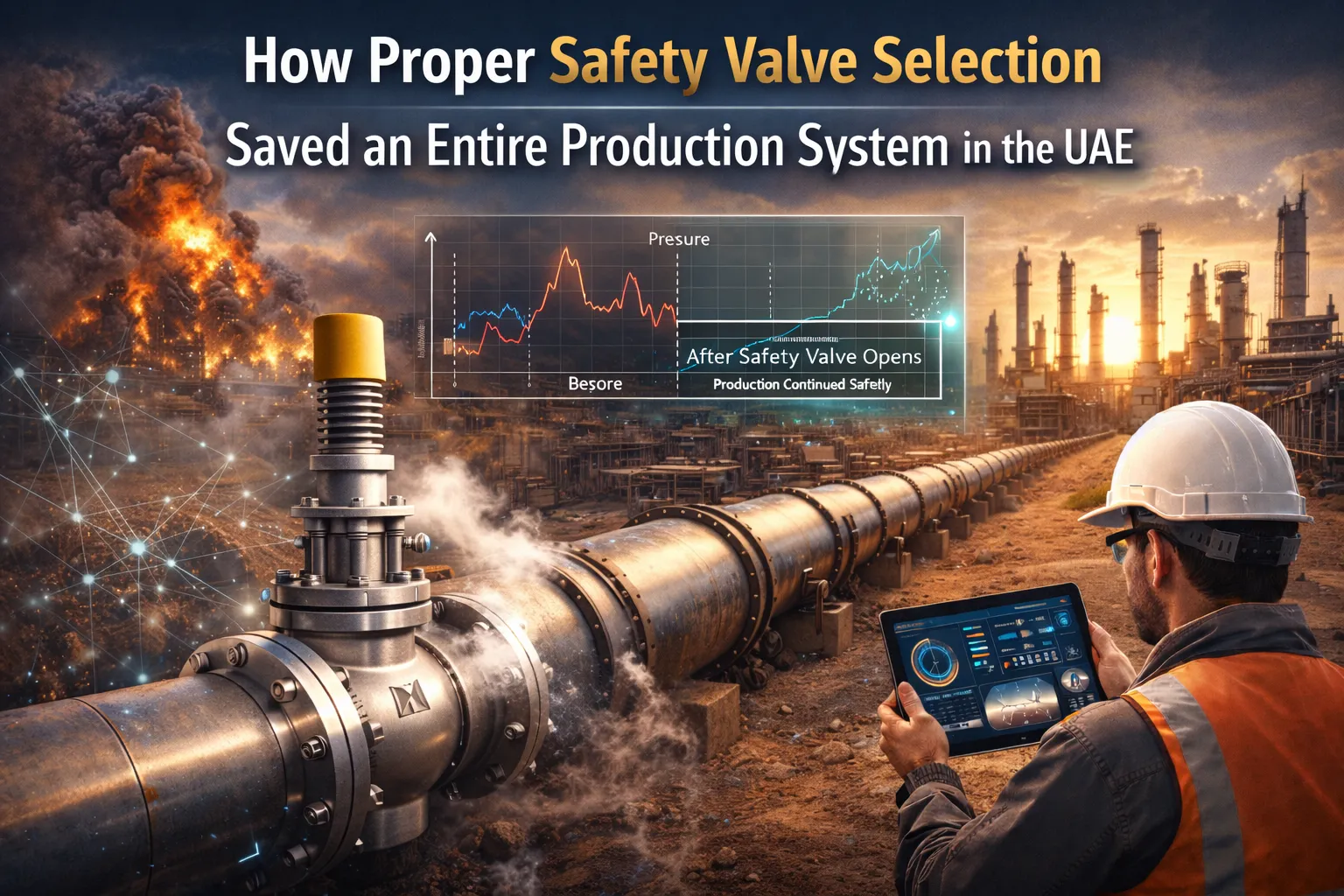
For industries across the UAE, where oil and gas, petrochemical, manufacturing, water treatment, power generation, and construction projects operate under demanding conditions, choosing the right pressure protection equipment is essential.
What Is a Safety Valve?
A safety valve is a pressure-relief device that opens automatically when system pressure reaches a set level. Once pressure falls back within the acceptable range, the valve can close and allow the system to continue operating normally.
The basic purpose is straightforward: prevent excessive pressure from damaging equipment or creating unsafe operating conditions.
Safety valves are commonly installed on pressure vessels, boilers, compressed-air systems, pipelines, and other equipment where pressure needs to remain within controlled limits.
What Are the Main Benefits of Using Safety Valves?
1. Protection Against Excessive Pressure
The primary benefit of a safety valve is protection from overpressure.
If pressure rises unexpectedly because of a blocked line, equipment malfunction, excessive heating, or another process issue, the valve provides a controlled way for excess pressure to escape.
This can help protect expensive equipment from deformation, rupture, or other pressure-related damage.
2. Improved Workplace Safety
Industrial pressure systems can present significant risks when pressure is not properly controlled. A properly selected safety valve adds an important protective barrier between abnormal operating conditions and personnel.
For example, if a pressure vessel experiences an unexpected pressure increase, an automatic relief mechanism can respond without waiting for an operator to identify the problem and take action.
That extra response time can make a meaningful difference in an emergency.
3. Helps Prevent Equipment Damage
Replacing industrial equipment can be expensive and disruptive. Overpressure can place excessive stress on tanks, pipes, boilers, pumps, and other components.
A correctly specified safety valve helps reduce this risk by releasing pressure before it reaches a dangerous level.
This protection can contribute to longer equipment service life and fewer unexpected shutdowns.
4. Automatic Operation
One of the biggest advantages of a safety valve is that it does not require someone to manually open it when pressure becomes excessive.
The valve operates according to its preset pressure conditions. This makes it particularly useful in systems that run continuously or require a dependable automatic response.
Automatic pressure protection also reduces the chance that an emergency condition will be missed because of delayed human intervention.
5. Supports Reliable Industrial Operations
Unexpected pressure problems can lead to production interruptions, maintenance requirements, and costly downtime.
By providing pressure protection, safety valves can support more stable operation. They are especially useful in industries where equipment operates under high pressure or where process continuity is important.
In UAE industrial facilities, this can be particularly relevant to applications involving steam, compressed air, hydrocarbons, chemicals, and other pressurised media.
Where Are Safety Valves Commonly Used?
Safety valves can be found across a wide range of industrial applications, including:
- Oil and gas processing facilities
- Petrochemical plants
- Boilers and steam systems
- Pressure vessels
- Compressed-air systems
- Water and wastewater facilities
- Power generation plants
- Manufacturing processes
- HVAC and refrigeration systems
The exact valve design depends on factors such as operating pressure, temperature, fluid type, flow requirements, and equipment specifications.
How Do You Choose the Right Safety Valve?
Selecting a safety valve should never be based only on size or price. The valve must match the operating conditions of the system.
Consider the set pressure, operating temperature, pressure rating, connection size, material compatibility, flow capacity, and type of application.
It is also essential to consider whether the valve is suitable for the specific medium being handled. A valve used for steam, for example, may have different requirements from one used in a chemical or hydrocarbon application.
Working with an experienced valve supplier can help ensure the selected product matches the system's technical requirements.
Final Thoughts
A safety valve is a relatively small component that can provide essential protection for large and expensive industrial systems. From controlling unexpected pressure increases to protecting equipment and improving workplace safety, its role extends well beyond simple pressure release.
For UAE businesses, choosing a properly rated valve and maintaining it correctly is essential for dependable operation. Before purchasing, assess your system requirements carefully and speak with a qualified industrial valve supplier to identify the most suitable solution.
Need reliable pressure protection for your industrial system? Learn more about safety valve options and contact an experienced supplier for product guidance based on your application.
FAQs About Safety Valves
What is the main purpose of a safety valve?
Its main purpose is to protect pressurised equipment and systems from excessive pressure by automatically releasing pressure when it reaches a predetermined limit.
Are safety valves suitable for high-pressure applications?
Yes. Safety valves are widely used in high-pressure industrial systems, provided the valve is correctly rated and selected for the application.
How often should a safety valve be inspected?
Inspection and testing intervals depend on the equipment, application, operating conditions, and applicable standards. Following the manufacturer's recommendations and site maintenance procedures is essential.
Can a safety valve prevent equipment failure?
It can significantly reduce the risk associated with overpressure, but it should be considered one part of a complete pressure-protection and maintenance strategy.

























Sign in to leave a comment.