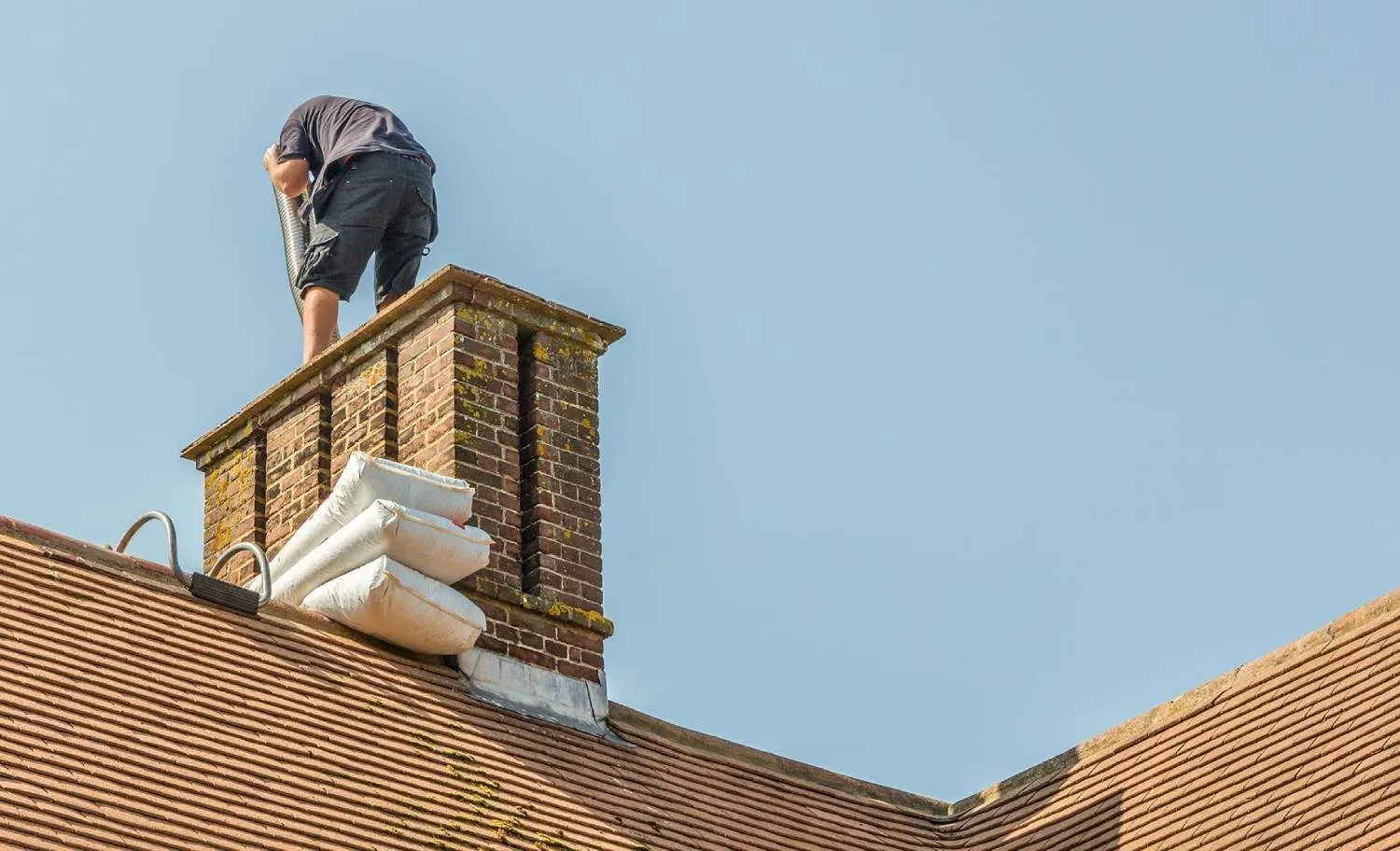

Your chimney works quietly in the background of your home, until it doesn't. Most homeowners never think about it until something feels off: a strange smell after a fire, a crack that wasn't there last fall, or smoke that seems to linger in the room instead of drawing up and out. If you're searching for chimney repair Westchester County NY, chances are one of these signs already caught your attention.

The good news is that chimneys usually give warning signs long before a small issue becomes a costly one. Knowing what to look for can save you money, protect your home, and keep your family safe through another New York winter.
Why Chimney Warning Signs Matter More Than You Think
A chimney has one job: move combustion gases safely out of your home. When it's working right, you barely notice it. When something's off, the effects show up in ways that are easy to dismiss as "normal" a little draft, a musty smell, a hairline crack in the brick.
But chimneys sit exposed to New York's freeze-thaw cycles, heavy rain, and seasonal temperature swings year after year. That constant stress adds up. Left unchecked, small issues turn into structural ones. That's why staying alert to early signs of trouble, and reaching out for chimney services Westchester County NY homeowners trust, matters more than most people realize.
8 Signs Your Chimney Needs Attention
1. Cracked or Spalling Bricks
Brick and mortar absorb moisture. When that moisture freezes and expands, it pushes the surface apart, a process called spalling. You'll notice chipped, flaking, or crumbling brick faces, especially after a cold winter. This is one of the clearest signs of chimney damage and shouldn't be ignored, since it weakens the entire structure over time.
2. Deteriorating Mortar Joints
Take a look at the joints between the bricks. If the mortar looks worn, crumbly, or missing in spots, your chimney's structural integrity is likely compromised. Gaps in the mortar let in water and heat where they don't belong, which speeds up deterioration of everything around it.
3. A Damaged or Cracked Chimney Crown
The crown is the concrete cap that sits at the very top of your chimney, and it's your first line of defense against water. A cracked crown lets moisture seep directly into the chimney's core. Over time, this leads to interior damage that's far more expensive to fix than the crown itself.
4. Rust on the Damper or Firebox
Rust is usually a sign that moisture is getting in somewhere it shouldn't. If your damper is sticking, hard to open or close, or visibly rusted, that's often a clue that water is entering the flue. Rust on the firebox tells a similar story.
5. White Staining (Efflorescence) on the Masonry
That chalky, white residue on brick isn't just cosmetic. It's a sign that water is moving through the masonry and leaving mineral deposits behind as it evaporates. Efflorescence is often one of the earliest visible clues that your chimney is absorbing more moisture than it should.
6. Smoke That Won't Draft Properly
If smoke is backing up into your room instead of drawing up and out, something is interfering with the draft. This could point to a liner problem, a blockage, or even structural damage inside the flue. A properly functioning chimney should pull smoke and gases upward with little resistance.
7. Water Stains on Ceilings or Walls Near the Chimney
Water stains around the chimney, especially near the roofline, usually point to a flashing issue. Flashing is the metal barrier that seals the point where your chimney meets the roof. When it fails, water finds its way into the attic or walls, often well before you notice a stain.
8. A Leaning or Separating Chimney
If your chimney appears to be leaning away from the house, or you notice a visible gap between the chimney and the exterior wall, this points to a foundation or structural issue. This is one of the more serious signs and typically calls for prompt professional evaluation.
What Happens If You Ignore These Signs
Chimney problems rarely stay small. A cracked crown left alone eventually leads to liner damage. A few loose bricks can turn into a section that needs to be rebuilt. What starts as a minor repair often becomes a much larger, more expensive project the longer it's left unaddressed.
Beyond cost, there's a safety factor too. A chimney that isn't venting properly can allow gases to enter your living space instead of leaving the home. That's not something to guess about, it's worth having a professional take a look.
How Often Should You Have Your Chimney Inspected?
Most chimney professionals recommend an inspection at least once a year, ideally before the colder months when your fireplace or heating system sees the most use. If you've noticed any of the signs above, or it's simply been a while since your last check, scheduling an inspection sooner rather than later is the safer route.
Trusted Chimney Repair in Westchester County, NY
RMD Roofing & Chimney has served New York homeowners for over 23 years as a family-owned company built on quality craftsmanship and reliable service. Our chimney specialists look at the full picture, masonry condition, liner integrity, flashing, and draft performance, before recommending any repair. We treat your chimney as part of your home's overall system, not an isolated fix.
If something about your chimney feels off, it's worth having it checked. Reach out to RMD Roofing & Chimney at (917) 717-4551 to schedule a chimney inspection or repair in Westchester County.
Frequently Asked Questions
How do I know if my chimney needs repair or just cleaning?
Soot buildup and creosote are usually addressed through a professional cleaning, while cracks, spalling brick, or a damaged crown require actual repair work. If you're unsure, a chimney inspection will identify which one you're dealing with.
Is it safe to use my fireplace if I see cracks in the chimney?
It depends on the size and location of the crack. Small surface cracks in the crown may not pose immediate danger, but cracks in the flue liner or firebox can allow heat and gases to escape where they shouldn't. It's best to have it evaluated before using the fireplace again.
How much does chimney repair typically cost?
Costs vary widely depending on the issue, from minor crown sealing to a full rebuild of damaged masonry. The best way to get an accurate number is a professional inspection and a written estimate.
Can I repair my chimney myself?
Minor cleaning is manageable for some homeowners, but structural repairs, liner work, and flashing require specialized knowledge and the right materials to do safely and correctly. Chimney work is closely tied to your home's safety, so professional repair is the recommended route.
How long does a typical chimney repair take?
Smaller repairs, like repointing mortar or sealing a crown, often take a day or two. Larger projects, such as rebuilding a section of masonry or relining the flue, may take longer depending on the scope of the work.























Sign in to leave a comment.