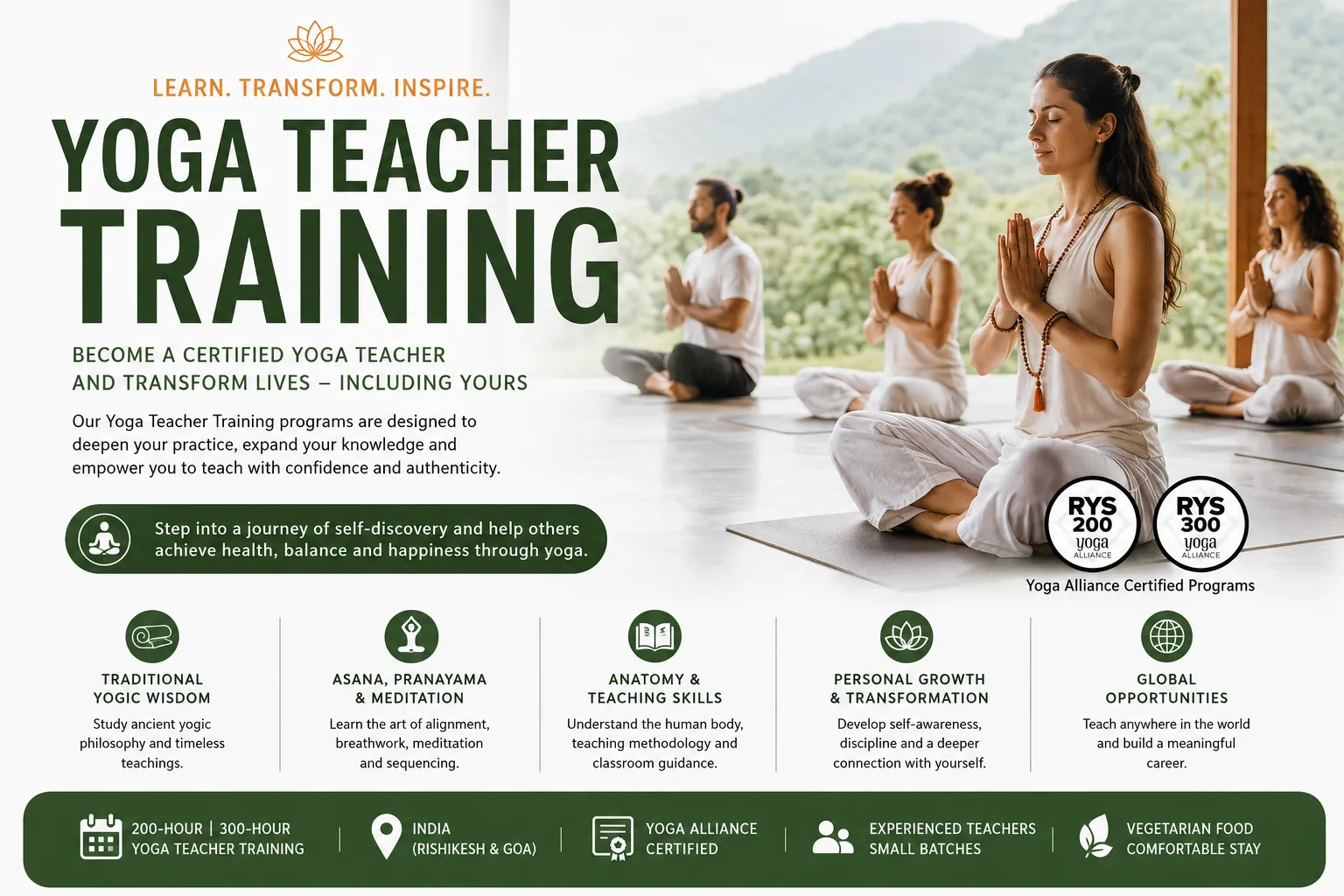

Thinking about becoming a yoga teacher in India? You may be wondering whether you need years of yoga experience, exceptional flexibility, or a specific educational qualification before you can enroll. The answer is simpler than you might expect.
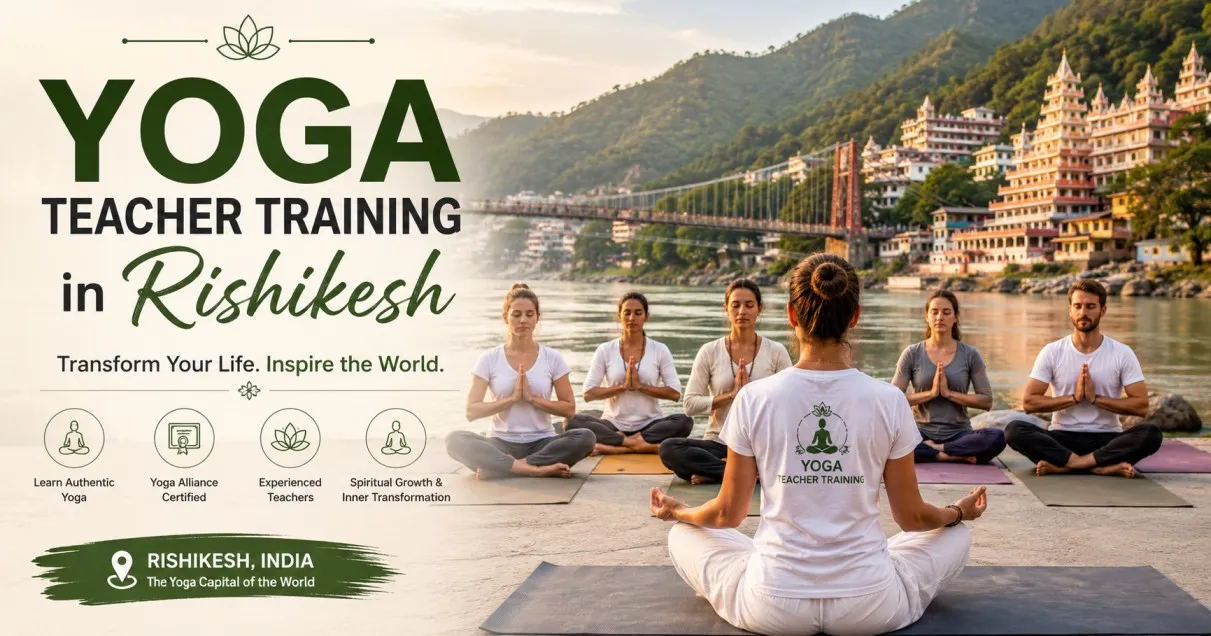
India is one of the most popular destinations for learning yoga because of its deep-rooted yogic traditions and diverse training schools. Whether you are a complete beginner or have been practicing yoga for years, there are programs designed for different experience levels.
Before choosing a yoga teacher training India program, however, it is important to understand the basic eligibility criteria, course expectations, and preparation involved.
Who Can Join Yoga Teacher Training in India?
Yoga teacher training is not limited to professional athletes, fitness instructors, or experienced yoga practitioners. People from many different backgrounds enroll in these programs with the goal of improving their personal practice or becoming professional yoga teachers.
Most schools welcome students who have a sincere interest in yoga and are willing to commit to regular practice and study.
Is Previous Yoga Experience Required?
For many programs, previous experience is helpful but not compulsory.
If you are new to yoga, a beginner-friendly teacher training program can introduce you to fundamental postures, breathing techniques, meditation, yoga philosophy, and basic teaching skills.
Students with an established practice may prefer more advanced programs that move faster and explore specific yoga traditions in greater depth.
The key is to choose a course that matches your current level rather than enrolling in a program simply because it sounds advanced.
What Are the Basic Eligibility Requirements?
Although admission requirements vary from one school to another, most yoga teacher training programs in India look for a few basic qualities.
Minimum Age
Many yoga schools expect students to be at least 18 years old. Some institutions may have different age policies, so it is always worth checking the school's eligibility requirements before applying.
Interest in Yoga
A genuine interest in yoga is more important than being able to perform difficult poses.
Teacher training involves much more than physical practice. You may study meditation, pranayama, anatomy, yoga philosophy, teaching techniques, alignment, and yogic principles.
Being curious and open to learning will help you get considerably more from the experience.
Commitment to Practice
Yoga teacher training can be intensive. Depending on the course, you may have early morning practices, several classroom sessions, assignments, meditation, and teaching practice throughout the day.
Consistency and discipline are therefore important. You should be prepared to follow the schedule and participate actively rather than treating the course like a casual retreat.
Do You Need a Degree to Join a Yoga Teacher Training Course?
Generally, a university degree is not necessary to enroll in a yoga teacher training course in India.
Students come from a variety of educational and professional backgrounds. Some are already working in fitness or wellness, while others are simply interested in turning their passion for yoga into a career.
However, individual schools can set their own admission requirements. If a particular qualification is required for your chosen program, check this before making your application.
Do You Have to Be Flexible?
Absolutely not.
One of the most common misconceptions about becoming a yoga teacher is that you must already be extremely flexible. Yoga teacher training is not about competing to see who can perform the most advanced posture.
A good teacher needs to understand how postures work, how to explain them clearly, how to modify them for different students, and how to encourage safe and mindful practice.
Your flexibility can improve naturally through regular practice. Your ability to teach effectively depends much more on knowledge, communication, observation, patience, and practice.
What Do You Study During Yoga Teacher Training?
A comprehensive program usually covers several areas of yoga rather than focusing exclusively on asanas.
Asana Practice
You will learn traditional yoga postures, alignment principles, modifications, sequencing, and ways to practice safely.
Pranayama and Meditation
Breathing exercises and meditation are important parts of many traditional yoga programs. You may learn different techniques and explore their role in developing concentration, awareness, and relaxation.
Yoga Philosophy
Yoga has a rich philosophical tradition. Teacher training may introduce concepts from classical yoga texts and help you understand the principles behind the physical practice.
Anatomy and Physiology
Basic knowledge of the human body can help teachers understand movement and recognize when modifications may be necessary.
Teaching Methodology
This is one of the most important parts of teacher training. You learn how to structure a class, give instructions, demonstrate postures, observe students, and communicate effectively.
Practical teaching sessions can also help you become more confident in front of a class.
What Documents Are Needed?
The documents required depend on the school and whether you are an Indian or international student.
Common requirements may include:
- Completed application form
- Passport-size photographs
- Valid identification
- Passport and appropriate travel documents for international students
- Emergency contact details
- Health or medical declaration, where applicable
- Previous yoga qualifications, if required by the course
Always check the school's current admission instructions because documentation requirements can differ.
How Should You Prepare Before Joining?
You do not need to become an expert before starting teacher training. However, a little preparation can make the experience easier.
Begin with a consistent yoga practice instead of trying to master difficult poses. Work on basic postures, breathing awareness, and concentration.
It can also be useful to read introductory material about yoga philosophy and anatomy. Most importantly, arrive with realistic expectations. Teacher training can challenge you physically and mentally, especially when the schedule is intensive.
How Do You Choose the Right Training Program?
Choosing the right school is just as important as meeting the eligibility requirements.
Before enrolling, look at the course curriculum, duration, teaching faculty, certification, class structure, accommodation, and practical teaching opportunities.
Think about your reason for joining as well. If your main goal is personal development, your priorities may be different from someone who wants to teach professionally after completing the course.
A good program should give you enough theoretical knowledge and practical experience to understand yoga as a complete discipline.
Final Thoughts
You generally do not need to be an experienced yogi, highly flexible, or academically qualified to begin yoga teacher training in India. What matters most is your willingness to learn, maintain a regular practice, and approach yoga with discipline and an open mind.
Before committing to a course, take time to compare its eligibility requirements, curriculum, teaching approach, certification, and overall learning environment. Choosing a program that suits your experience level and long-term goals can make your training far more rewarding.
If you are ready to take the next step toward deepening your practice or becoming a yoga teacher, Tratak Yoga offers an opportunity to explore yoga through structured learning and traditional practices in India.




















Sign in to leave a comment.