

Chiropractic tables are essential clinical tools because they support positioning, comfort, access, and controlled movement during many forms of care. Choosing the right table requires more than considering appearance or price, since each design serves different techniques and practice needs. For practitioners exploring what are the types of chiropractic tables, understanding the differences can make equipment selection more purposeful. Table construction, adjustment options, patient weight capacity, drop mechanisms, and mobility all influence how effectively a practitioner can work while helping patients remain properly positioned throughout an appointment.
Why Chiropractic Tables Matter in Clinical Practice
A chiropractic table is more than a padded surface for a patient to lie on during an appointment. Its structure can influence practitioner posture, patient positioning, technique selection, and workflow. Different tables are engineered around different approaches, including manual adjustments, drop techniques, flexion distraction, and treatments requiring precise elevation or positioning. A suitable table can support consistent procedures while reducing unnecessary physical strain. Practitioners therefore benefit from understanding the available categories before purchasing equipment, especially when a practice performs several techniques or serves patients with varied mobility and comfort requirements.
Drop Tables
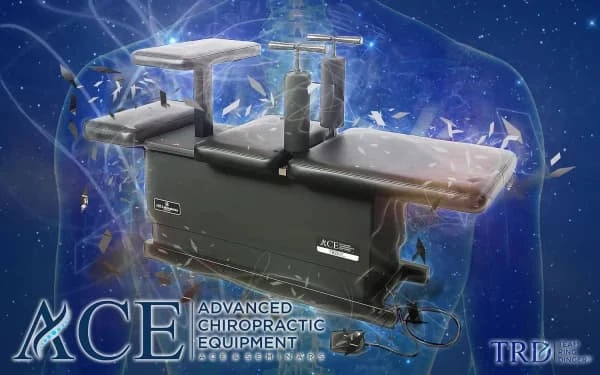
Drop tables are designed with sections that can lower slightly when a practitioner applies a controlled adjustment. The drop mechanism helps reduce the amount of force needed for certain techniques while allowing the practitioner to work with a stable patient position. Different models may have separate sections for the cervical, thoracic, pelvic, or lumbar regions. Drop tables can be useful in practices where drop assisted techniques are regularly performed. Practitioners should examine the release mechanism, section size, adjustment controls, padding quality, and maintenance requirements to determine whether a particular design fits the intended clinical workflow.
Features Practitioners Should Examine
When evaluating a drop table, practitioners should consider how easily each section releases and returns to its original position. A mechanism that is simple to control can support efficient treatment sessions and reduce interruptions between patients. Padding should also provide adequate support without interfering with positioning. Table height is another important consideration because it affects practitioner ergonomics during adjustments. Weight capacity and frame construction deserve careful attention as well, particularly in practices treating a broad range of patients. These factors can help practitioners select equipment that matches both technique requirements and everyday operational demands.
Flexion Distraction Tables
Flexion distraction tables are designed to support controlled spinal positioning and movement during specific therapeutic techniques. Many incorporate sections that can move, elevate, or adjust to create the positioning required for treatment. These tables may be especially relevant to practitioners who regularly use flexion distraction methods as part of their clinical approach. A practitioner evaluating this category should examine the range of motion, adjustment controls, pelvic support, patient restraints or positioning aids, and overall stability. Ease of operation also matters because frequent adjustments should be manageable without disrupting the practitioner’s concentration or patient communication.
Motorized and Manual Adjustments
Some chiropractic tables use manual controls, while others incorporate powered systems for height or section adjustment. Motorized designs can make positioning easier when frequent changes are required, particularly when practitioners need to accommodate patients with limited mobility. Manual systems can provide simplicity and may require fewer electrical components. The appropriate choice depends on clinical needs, available space, expected usage, and budget. Practitioners should also consider whether controls are conveniently positioned and whether adjustments can be made smoothly. A table should support the technique rather than becoming an obstacle during treatment or requiring excessive attention to operate.
Stationary Chiropractic Tables
Stationary chiropractic tables are commonly selected by practices that have a dedicated treatment area and do not need to move equipment between rooms. Their fixed design can provide a stable foundation for a range of manual techniques. Depending on construction, stationary tables may include adjustable height, segmented cushions, face openings, or specialized sections for positioning. They are often suitable for practices that value durability and consistent placement. Before selecting one, practitioners should measure the treatment room carefully, account for movement around the table, and consider how the table’s dimensions will affect both patient access and practitioner positioning.
Portable Chiropractic Tables
Portable chiropractic tables are designed for practitioners who need to transport equipment to different locations or treatment areas. Their lighter construction and folding features can make them useful for mobile care, educational demonstrations, community events, or practices with limited permanent space. However, portability often requires compromises involving weight, stability, padding thickness, or adjustment options. Practitioners should evaluate carrying weight, folded dimensions, locking mechanisms, height settings, and supported patient capacity. A portable table should remain stable during use and should be easy to set up and store without creating unnecessary delays in the practitioner’s routine.
Elevation and Hydraulic Tables
Elevation tables allow the treatment surface to move vertically, helping practitioners establish a more comfortable working height. Hydraulic systems can provide controlled adjustment without requiring the practitioner to manually lift the table. Such designs may benefit practices where several practitioners share equipment or where treatment techniques require different working heights. When comparing these tables, practitioners should examine the adjustment range, base stability, hydraulic performance, patient access, and available space around the base. The goal is to find a design that supports ergonomic positioning while remaining practical for the room layout and the techniques performed regularly.
Electric Chiropractic Tables
Electric tables can provide powered control over height or specific table sections. Their controls may allow practitioners to change positioning efficiently while keeping attention focused on the patient. These tables can be valuable when repeated adjustments are part of daily treatment routines. However, electrical equipment introduces additional considerations, including power access, control placement, cable management, maintenance, and backup procedures if power becomes unavailable. Practitioners should determine which powered functions are genuinely useful rather than selecting unnecessary features. A well chosen electric table should improve workflow and positioning without adding complexity that offers little clinical value.
How to Choose the Right Chiropractic Table
Selecting a chiropractic table begins with identifying the techniques most frequently used in the practice. A practitioner should then consider patient demographics, available treatment space, desired height range, mobility requirements, and expected daily workload. Comfort and support are important, but they should be evaluated alongside mechanical performance and durability. The practitioner should also consider cleaning access and the availability of replacement components. Testing a table before purchase can reveal whether controls are intuitive and whether the practitioner can maintain a comfortable working posture. Careful comparison can reduce the likelihood of choosing equipment that does not suit the practice.
Important Safety and Maintenance Considerations
Regular inspection can help keep a chiropractic table in dependable working condition. Practitioners should follow the manufacturer’s maintenance instructions, inspect moving sections, check fasteners, monitor mechanical or electrical components, and keep upholstery clean according to approved procedures. Any unusual movement, damaged padding, loose hardware, or malfunctioning control should receive prompt attention. Weight limits should also be respected because exceeding stated capacity can place unnecessary stress on the table. Proper maintenance supports patient safety, protects the equipment investment, and helps the table perform consistently throughout its expected service life.
Conclusion
Understanding the different categories of chiropractic tables gives practitioners a stronger foundation for making equipment decisions. Drop tables, flexion distraction tables, stationary tables, portable tables, elevation tables, hydraulic systems, and electric designs each offer characteristics suited to particular workflows and techniques. The best selection depends on clinical requirements rather than a single universal feature. Practitioners should compare construction, adjustment range, comfort, stability, maintenance needs, room requirements, and expected usage before committing to a purchase. Advanced Chiropractic Equipment LLC can serve as a resource for practitioners seeking chiropractic equipment options that align with their practice requirements and operational goals.
































Sign in to leave a comment.