
A commercial roof protects employees, customers, equipment, inventory, and the building itself. When a roof leak or sudden storm damage occurs, even a small problem can interrupt daily operations. Water may enter workspaces, damage stored materials, and create hazards that require immediate attention.
For business owners and facility managers, knowing how to respond to roofing emergencies can make the situation easier to manage. Understanding when to call a professional, what to do while waiting for assistance, and how to evaluate the repair process can help businesses make informed decisions.

1. Understanding When Commercial Roof Damage Becomes an Emergency
Not every roofing issue requires the same level of urgency. However, some problems should be addressed promptly to protect people and property.
Common signs of a commercial roofing emergency include:
- Active roof leaks: Water entering offices, warehouses, retail spaces, or other occupied areas.
- Storm damage: Wind, hail, or fallen debris that damages roofing materials.
- Interior water damage: Wet ceilings, walls, insulation, inventory, or equipment.
- Loose or displaced roofing materials: Sections of the roof covering that appear damaged after severe weather.
- Structural warning signs: Sagging ceilings or visible roof deformation that may indicate a serious hazard.
Businesses should treat these warning signs seriously rather than waiting for the next routine maintenance visit. If an area appears unsafe, restrict access and follow the property's emergency procedures.
2. How 24-Hour Commercial Roof Repair Can Help
Roofing problems do not always happen during regular business hours. A leak may develop overnight, during a weekend, or in the middle of a storm. In these situations, access to emergency roofing assistance can help a business begin addressing the problem without unnecessary delays.
Professional 24 hour commercial roof repair focuses on responding to urgent roofing issues, assessing the damage, and determining appropriate next steps.
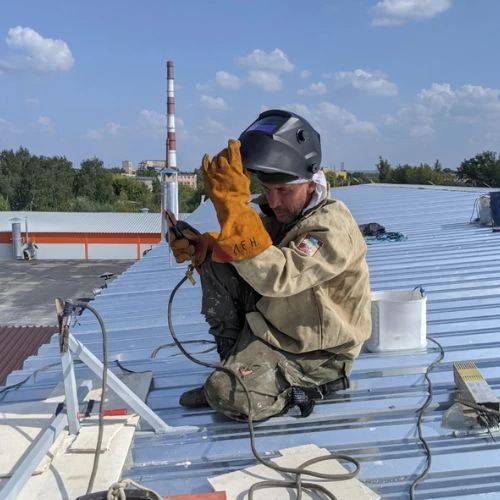
Depending on the roof's condition and the weather, the initial response may involve temporary measures to limit water entry and protect the building. Permanent repairs may follow once the damaged area can be assessed properly and conditions allow the work to proceed safely.
When contacting a roofing contractor, explain where the damage is occurring, whether water is actively entering the building, and whether the issue appeared after severe weather. These details can help the contractor understand the situation and determine the appropriate response.
3. What to Do Before the Roofing Contractor Arrives
Businesses can take several steps to manage the situation while waiting for professional assistance. The priority should always be the safety of occupants.
Protect employees and visitors
Keep people away from leaking ceilings, wet floors, falling debris, and areas where structural damage may be present. Water near electrical equipment can create additional hazards. Follow workplace emergency procedures and contact qualified personnel when electrical or structural risks are suspected.
Protect equipment and inventory
If it is safe to do so, move merchandise, documents, electronics, and other vulnerable items away from the affected area. Cover items that cannot be moved, provided doing so does not expose anyone to danger.
Document visible damage
Take photographs or videos from a safe location. Record when the problem was noticed and whether it followed a storm or another event. This information may help the contractor assess the situation and assist with insurance documentation.
Avoid attempting roof repairs yourself
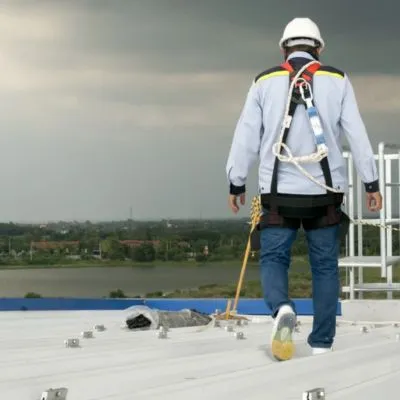
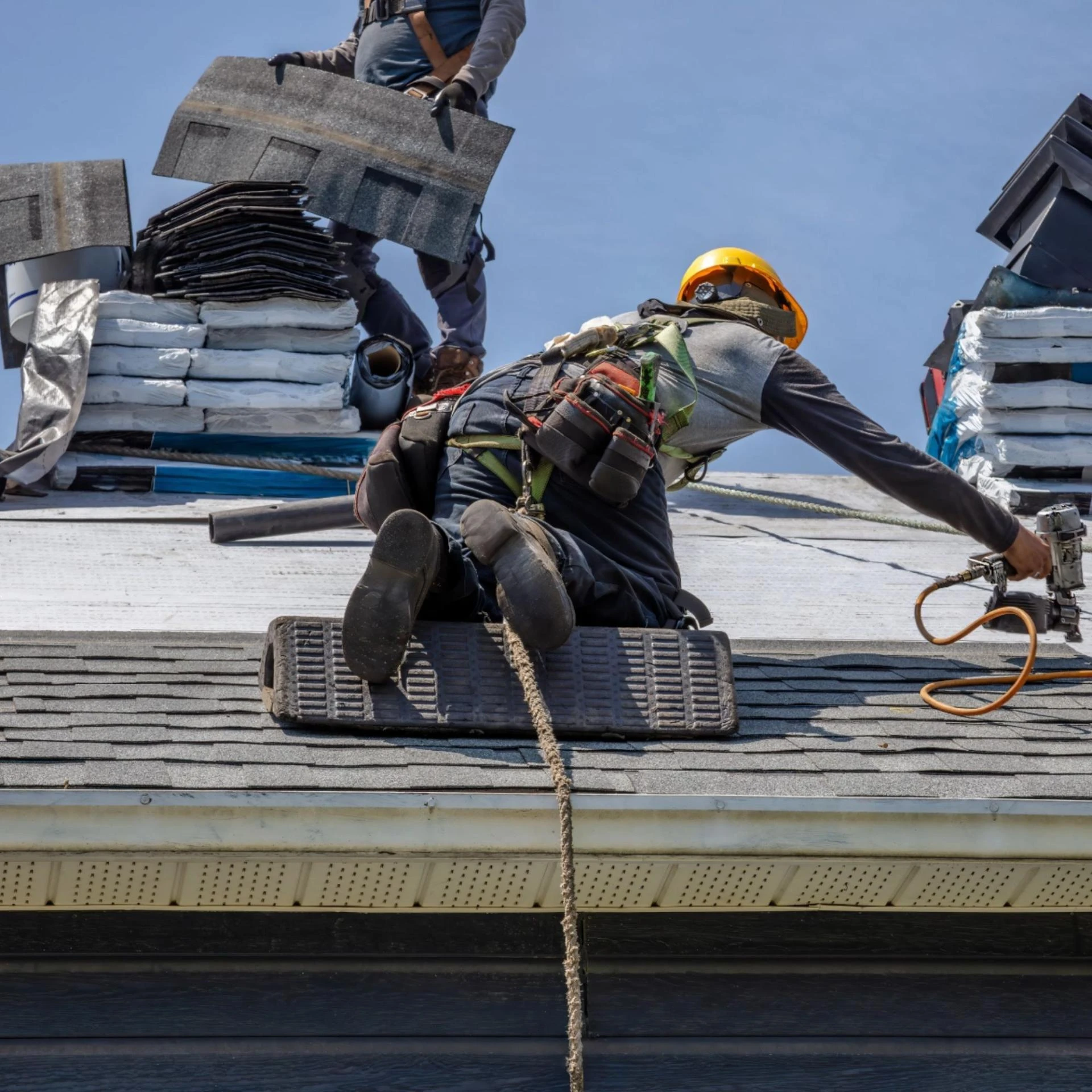
Commercial roofs can have slippery surfaces, hidden weak areas, and fall hazards. Employees without appropriate training and safety equipment should not climb onto the roof to inspect or repair it. Roofing work should be handled by qualified professionals under suitable safety conditions.
4. Factors That Affect Emergency Roof Repair
The time and work required to address a roofing emergency depend on several factors. Understanding them helps businesses set realistic expectations.
Roofing material: Metal roofing, single-ply membranes, modified bitumen, and other commercial systems have different repair requirements.
Extent of the damage: A localized puncture may require a different approach than widespread storm damage or deterioration across a large roof section.
Weather conditions: Rain, strong winds, and other hazardous conditions can limit safe access and affect when repairs can be performed.
Roof accessibility: Building height, rooftop equipment, access points, and surrounding conditions may influence how contractors reach the damaged area.
Underlying issues: A visible leak may originate away from the point where water appears inside the building. A thorough assessment can help identify the source instead of addressing only the visible symptoms.
Because these factors vary, businesses should ask the contractor what can be addressed immediately and whether additional work may be needed.
5. Temporary Repairs Versus Permanent Solutions
One important point to understand is that emergency stabilization and permanent roof repair are not always the same thing.
Temporary measures may help limit water entry or protect exposed sections while a complete repair is planned. They can be useful when weather conditions prevent more extensive work or when the damage requires further inspection.
Permanent repairs aim to address the underlying problem. Depending on the findings, this may involve repairing damaged roofing materials, restoring compromised seams or flashing, or replacing sections that cannot be adequately repaired.
Businesses should ask the contractor to explain the proposed work, the purpose of any temporary measures, and whether a follow-up inspection is recommended. This helps clarify what has been addressed and what remains outstanding.
6. Choosing a Commercial Roofing Contractor
When a roofing emergency affects business operations, it is tempting to choose the first available contractor without asking questions. However, businesses should still consider experience, communication, safety practices, and the proposed repair process.
Before proceeding, consider asking:
- Does the contractor handle commercial roofing systems similar to yours?
- Can they explain the immediate response and recommended repairs?
- Will they clarify the difference between temporary stabilization and permanent work?
- Can they provide a written estimate or scope of work when appropriate?
- Will they document the damage and explain any recommended follow-up maintenance?
Clear communication helps property owners understand the condition of their roof and make decisions based on the building's needs.
7. Preparing Your Business for Future Roofing Emergencies
Although unexpected damage cannot always be prevented, preparation can make responding easier. Businesses can develop a simple roofing emergency plan before a problem occurs.
Keep roofing records, warranty information, inspection reports, and contractor contact details in an accessible location. Schedule routine roof inspections and address signs of deterioration before they develop into larger problems.
It is also useful to identify who will notify employees, contact the roofing contractor, document damage, and communicate with property management or insurance representatives. A clear process reduces confusion when urgent decisions are needed.
Regular maintenance does not eliminate every roofing risk, but it can help businesses identify developing issues and better understand the condition of their commercial roof.
Key Takeaways
- Commercial roof leaks and storm damage may require prompt professional attention.
- Protecting people and securing affected areas should come before property protection.
- Documenting visible damage can support the assessment and insurance process.
- Temporary emergency measures may not replace permanent repairs.
- Routine inspections and a clear response plan can help businesses prepare for future roofing problems.
Frequently Asked Questions
What is 24-hour commercial roof repair?
It refers to emergency roofing services intended to respond to urgent commercial roof problems outside standard business hours, depending on the contractor's availability and service area.
What should a business do when its commercial roof starts leaking?
Keep people away from unsafe areas, protect equipment and inventory if it is safe, document visible damage, and contact a qualified commercial roofing contractor. Avoid sending untrained employees onto the roof.
Can an emergency roof repair be permanent?
Sometimes the issue can be repaired during the initial visit. In other cases, temporary stabilization is needed before a permanent repair can be completed. The appropriate approach depends on the damage, roof system, and weather conditions.
How can businesses reduce the risk of roofing emergencies?
Routine inspections, timely maintenance, prompt attention to leaks, and keeping roofing records can help businesses identify problems earlier and prepare for unexpected damage.
Conclusion
A commercial roofing emergency can disrupt business operations and put property at risk. Knowing how to respond, recognizing when professional assistance is needed, and understanding the repair process can help business owners manage unexpected roof damage more effectively.
If your business is facing unexpected roof damage or leaks, explore the available emergency repair options and contact 911 Commercial Roofing to discuss your roofing concerns and find the right solution for your commercial property.


















Sign in to leave a comment.