
Ignore your HVAC until it breaks. That's the pattern — and it's a costly one. Heating and cooling equipment ranks among the steepest operational investments a facility carries, quietly shaping everything from monthly utility bills to whether your staff can concentrate at 2 p.m. on a sweltering Tuesday. Understand how these systems work, what they actually need, and when aging equipment has run its course — and you'll hold onto real money. Let things slide, though? Emergency calls. Miserable employees. Customers who notice. Two very different outcomes. What separates them, almost always, is how much you understood before the first warning sign showed up.
Inside the Machine: How Commercial HVAC Actually Functions
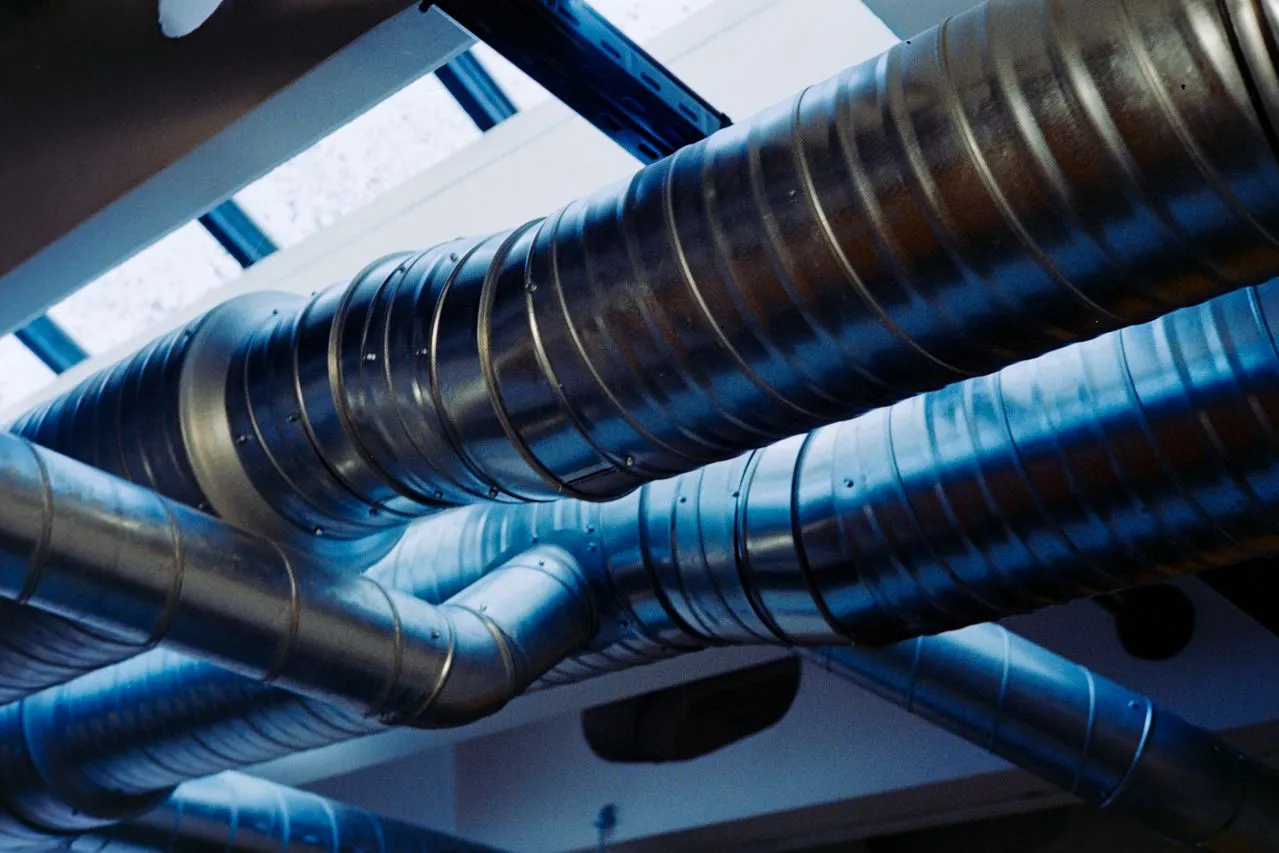
Same physics as a home unit. Just bigger — often dramatically so. Conditioned air gets pushed through ductwork and vents, reaching every corner of the facility. The core hardware? Not that complicated. A furnace or heat pump handles warmth. A cooling coil sheds heat. A thermostat calls the shots. Ductwork stitches everything together. Refrigerants are where the real action happens — pulling heat out of indoor air all summer, then yanking it from outdoor air once temperatures drop. That cycle is more important than most managers ever bother to learn. Once you grasp it, odd noises and inconsistent temperatures stop being mysteries. You're also far less likely to miss the moment a minor problem starts quietly compounding into a very expensive one.
What Routine Maintenance Actually Looks Like for Business HVAC
Waiting for total failure? Almost always the priciest strategy available. Two inspections per year — one before heating season, one before cooling season kicks in. That's the baseline. Technicians show up, check refrigerant, poke at electrical connections, pull and clean filters, run the controls. Dirty, clogged filters are sneaky: energy bills creep up, hardware strains harder, and nobody connects the dots until something fails. Consistent maintenance buys time on the equipment clock, pushing replacement further out. And here's something most building managers figure out too late — a preventive maintenance contract almost always costs less than the panic of hunting down emergency repair crews at the worst possible hour.
Energy Efficiency and Operating Costs of HVAC Systems
Heating and cooling usually sits near the top of the utility bill. Sometimes at the very top. A neglected older system? It can devour dramatically more electricity than a well-maintained modern one — and that gap compounds month after month. Newer commercial systems lean on smart thermostats, variable-speed fans, and advanced controls that adjust automatically based on occupancy and outdoor conditions. Programmable thermostats cut waste during off-hours and weekends. In hospitality and lodging settings, where individual room climate control actually matters, facilities managers often turn to PTAC units — self-contained, efficient, and free from the complications of centralized duct infrastructure. High-efficiency upgrades carry real upfront costs, yes. But energy savings typically recover that investment within five to ten years, and lower consumption trims your facility's environmental footprint if that aligns with your goals.
When to Repair Versus Replace Your Heating and Cooling System
Not always an obvious call. Most commercial HVAC systems hold up fifteen to twenty years with solid maintenance — but once a system crosses that mark and starts demanding frequent repairs, replacement usually pencils out better than patching things together indefinitely. A rough benchmark: if the repair estimate clears fifty percent of full replacement cost, just replace it. Don't overthink it. A newer system delivers better reliability, less downtime, and modern controls the aging unit simply can't match. A qualified contractor can walk through the numbers with you and identify which path actually makes financial sense for your specific building.
Choosing the Right System for Your Business Needs
No single system fits every facility. Size, layout, insulation quality, and your operational schedule all shape what equipment actually works. A retail space packed with south-facing windows has entirely different cooling demands than a multi-zone office building — that distinction matters when sizing equipment. Variable refrigerant flow systems handle facilities where multiple zones need different temperatures simultaneously. Rooftop units solve space problems when interior mechanical rooms aren't an option. Sizing is critical. Oversized systems cycle on and off constantly, wasting energy. Undersized ones can't keep pace when demand peaks. Get experienced HVAC professionals involved early — proper load calculations beat guesswork every single time.
Conclusion
Your HVAC system isn't something you configure once and forget about. It demands informed oversight — regular attention from people who actually know what they're doing. Commit to preventive maintenance. Think carefully about upgrades and replacements. Do those two things and you protect both your budget and the people inside your building. Efficient systems lower ongoing costs; proactive management stops emergency breakdowns before they detonate your operations and generate repair bills nobody planned for. Bottom line: the more you genuinely understand about how these systems function, the sharper your conversations with service providers become — and the smarter every dollar you spend on them will be.





























Sign in to leave a comment.