

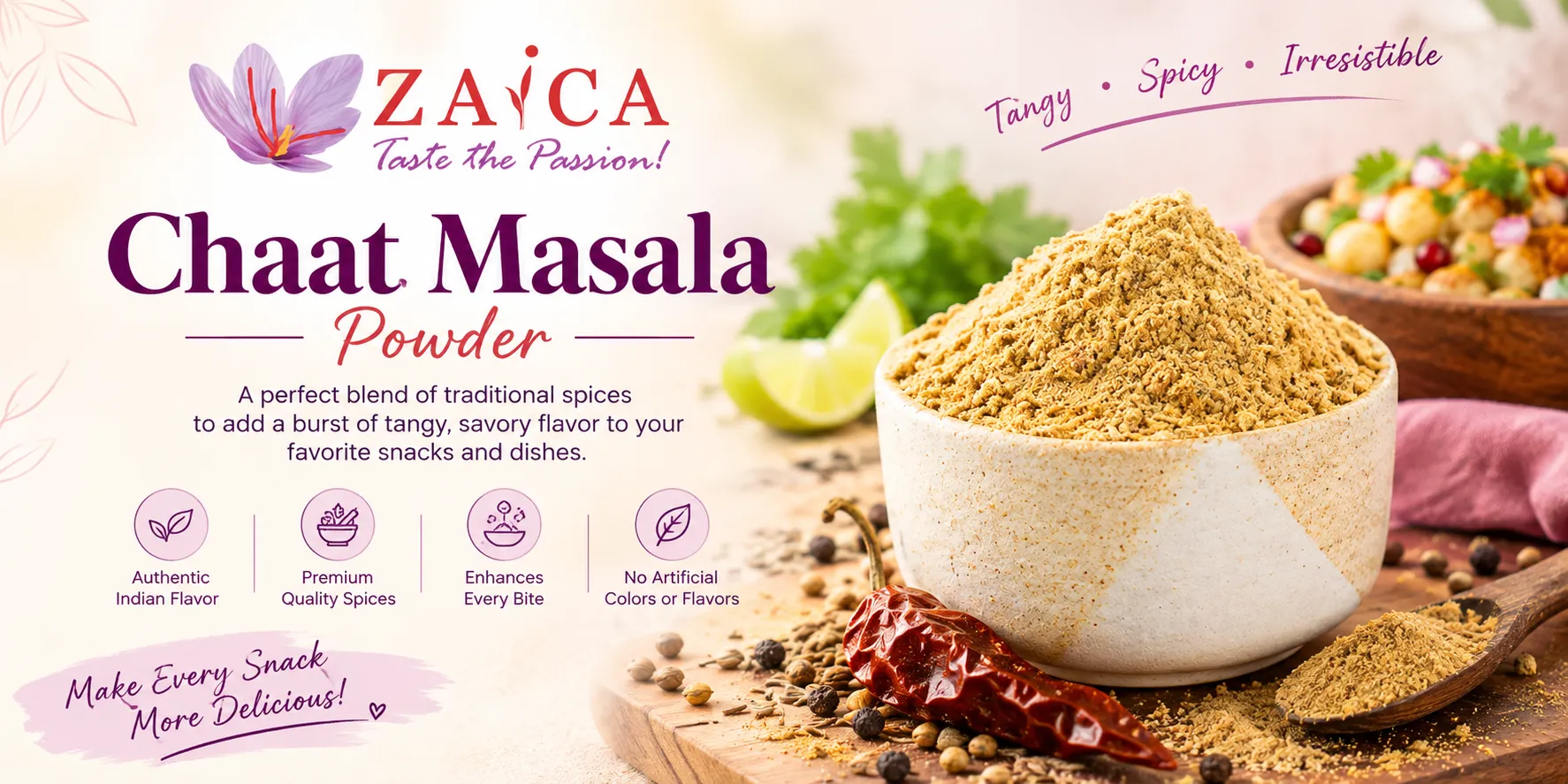
Running out of chaat masala powder does not mean you have to change your recipe completely. Whether you are making aloo chaat, fruit chaat, roasted potatoes, chickpea salad, raita, or a quick snack, several pantry ingredients can recreate some of the tangy, salty, earthy character that makes chaat masala so distinctive.
Chaat masala is generally used as a finishing seasoning, with ingredients such as dried mango powder (amchur), black salt, cumin, coriander, black pepper, and chili contributing to its layered flavor. For U.S. home cooks, some ingredients may be easier to find than others, so the best chaat masala substitute depends on what you have available and whether your dish is dry, wet, sweet, or savory.
Below are seven practical chaat masala alternatives, including simple combinations and a homemade option.
What Is Chaat Masala Powder?
Chaat masala powder is a tangy, savory Indian spice blend traditionally sprinkled over snacks, fruit, salads, yogurt-based dishes, and other foods. Its appeal comes from the balance of sourness, saltiness, roasted spice notes, and aromatic ingredients rather than intense heat alone.
For this reason, replacing it with just any Indian spice blend may not produce the same result. A good substitute should ideally bring back at least some combination of acidity, salt, and warm spice.
7 Best Chaat Masala Substitutes
1. Amchur Powder + Black Salt + Cumin
If you have these three ingredients, you can make one of the closest quick replacements for chaat masala.
Amchur provides the characteristic dry, fruity sourness, black salt contributes its distinctive savory-mineral character, and cumin adds roasted warmth. A practical starting point is:
For 1 teaspoon chaat masala:
- ½ teaspoon amchur powder
- ¼ teaspoon black salt
- ¼ teaspoon ground cumin
This combination works particularly well on aloo chaat, fruit, roasted potatoes, chickpeas, yogurt, and fried snacks.
2. Amchur Powder + Regular Salt + Cumin
Don't have black salt? You can still create a useful substitute for chaat masala with amchur, regular salt, and cumin.
Use approximately:
½ teaspoon amchur + ¼ teaspoon salt + ¼ teaspoon cumin
The result will not have the characteristic flavor of black salt, but it will provide the important sour, salty, and earthy elements.
This is especially useful for roasted vegetables, salads, potatoes, and fruit.
3. Lemon Juice + Cumin + Salt
Fresh lemon juice is an easy alternative when you need acidity rather than a dry seasoning.
Mix lemon juice with a little roasted cumin and salt, then add it to foods such as raita, cucumber salad, chickpea salad, or cooked vegetables.
The main limitation is texture. Lemon juice adds moisture, so it is not ideal when you want the dry sprinkle that makes chaat masala convenient for crispy snacks.
For wet dishes, however, it can be an excellent last-minute solution.
4. Tamarind + Cumin + Black Salt
Tamarind offers a deeper, darker sourness than amchur and works particularly well with chickpeas, potatoes, samosas, pakoras, and saucy chaat.
Try combining a small amount of tamarind concentrate or tamarind powder with cumin and black salt. Start conservatively because tamarind can become quite intense.
Unlike amchur, tamarind has a richer sweet-sour character, so expect your finished dish to taste slightly different rather than identical.
5. Sumac + Cumin + Salt
For U.S. kitchens where sumac may be easier to find than amchur, this is an interesting alternative.
Sumac is a dry, tart spice that can provide the acidity needed in a chaat masala substitute while keeping the food relatively dry. Combine it with roasted cumin and salt.
It works particularly well on:
- Roasted potatoes
- Grilled vegetables
- Salads
- Chicken
- Kebabs
- Yogurt dips
Sumac has a berry-like, slightly tannic flavor rather than the fruity mango character of amchur, so consider it a flavorful variation rather than an exact replacement.
6. Garam Masala + Amchur
Garam masala is sometimes suggested as a replacement, but using it alone can miss the point of chaat masala. Garam masala generally brings warm aromatic notes, while chaat masala is known for its tangy and savory finishing character.
A better approach is to combine a small amount of garam masala with amchur and adjust the salt separately.
This option works better with cooked potatoes, chickpeas, roasted vegetables, and savory dishes than with fresh fruit or delicate yogurt dishes.
In other words, garam masala can contribute warmth, but it needs an acidic ingredient to move closer to the flavor profile you want.
7. Homemade Chaat Masala
If you regularly cook Indian food, making your own homemade chaat masala can be the most flexible option.
A simple homemade blend can include:
- Amchur powder
- Black salt
- Roasted cumin
- Coriander powder
- Black pepper
- Red chili powder
- Dried mint
- A small amount of asafoetida, if desired
The exact proportions can be adjusted according to your preferred balance of sourness, saltiness, warmth, and heat.
Store the finished blend in an airtight container away from moisture and direct light.
Chaat Masala Substitute Comparison Table
| Substitute | Flavor Match | Best For | Main Difference |
|---|---|---|---|
| Amchur + black salt + cumin | Excellent | Chaat, fruit, potatoes | Closest homemade-style option |
| Amchur + regular salt + cumin | Very good | Fruit, salads, snacks | Lacks black salt's distinctive note |
| Lemon + cumin + salt | Good | Raita, salads, chickpeas | Adds moisture |
| Tamarind + cumin + black salt | Good | Saucy chaat, potatoes | Darker, deeper sourness |
| Sumac + cumin + salt | Good | Vegetables, meat, salads | More berry-like and tart |
| Garam masala + amchur | Moderate | Cooked dishes | More warm and aromatic |
| Homemade chaat masala | Excellent | Almost any traditional use | Requires several ingredients |
How Much Chaat Masala Substitute Should You Use?
There is no universal 1:1 rule because every substitute has a different level of acidity, saltiness, and aroma.
For dry combinations such as amchur, black salt, and cumin, starting with approximately 1 teaspoon of substitute for every 1 teaspoon of chaat masala is reasonable. Taste the food and adjust from there.
For lemon juice or tamarind concentrate, start with less. These ingredients can quickly dominate a dish.
The goal is not necessarily to reproduce every ingredient in the original blend. Instead, think about what your recipe needs: tang, salt, roasted spice, or savory depth.
Can You Use Other Indian Spice Blends?
Yes, but choose carefully. Indian spice blends are designed for different culinary purposes, so they do not automatically work as direct replacements.
For example, garam masala tends to emphasize warm spices such as cumin, coriander, cardamom, cinnamon, or cloves, while chaat masala focuses much more strongly on tangy and savory finishing flavors.
If you use another blend, pair it with an acidic ingredient such as amchur, lemon, or tamarind when appropriate.
Conclusion
The best chaat masala substitute depends on the dish and the ingredients available in your kitchen. For the closest quick option, start with amchur powder, black salt, and cumin. If those aren't available, lemon, tamarind, sumac, or a carefully adjusted Indian spice blend can still bring useful acidity and depth.
And if you cook Indian-inspired food regularly, keeping a good chaat masala powder on hand is often the easiest solution. Its distinctive balance is difficult to reproduce perfectly with a single ingredient, which is exactly what makes this versatile finishing spice so useful in both traditional Indian snacks and modern everyday cooking. Chaat itself is also gaining more visibility in the U.S., with Indian American chefs adapting the cuisine for American diners.
Frequently Asked Questions (FAQ)
What is the best chaat masala substitute?
A combination of amchur powder, black salt, and cumin is one of the closest practical substitutes because it recreates several of the blend's key flavor characteristics.
Can I use amchur instead of chaat masala?
Yes. Amchur provides the tangy dried-mango acidity associated with chaat masala. However, it does not provide the complete salty, savory, and aromatic profile of the finished blend.
Can I use garam masala instead of chaat masala?
You can, but garam masala alone is not an exact match. Combining a small amount with amchur and salt gives you a more balanced result.
What can I use instead of chaat masala if I don't have amchur?
Try sumac for a dry sour seasoning, or lemon juice for dishes where adding moisture is acceptable. Tamarind is another option for deeper sweet-sour flavor.
Can I make homemade chaat masala?
Yes. A basic homemade blend can combine amchur, black salt, roasted cumin, coriander, black pepper, chili, and dried mint. Adjust the quantities to suit your taste.
Is chaat masala spicy?
Chaat masala can contain chili and black pepper, but its defining character is generally tangy, salty, savory, and aromatic rather than simply hot.


























Sign in to leave a comment.