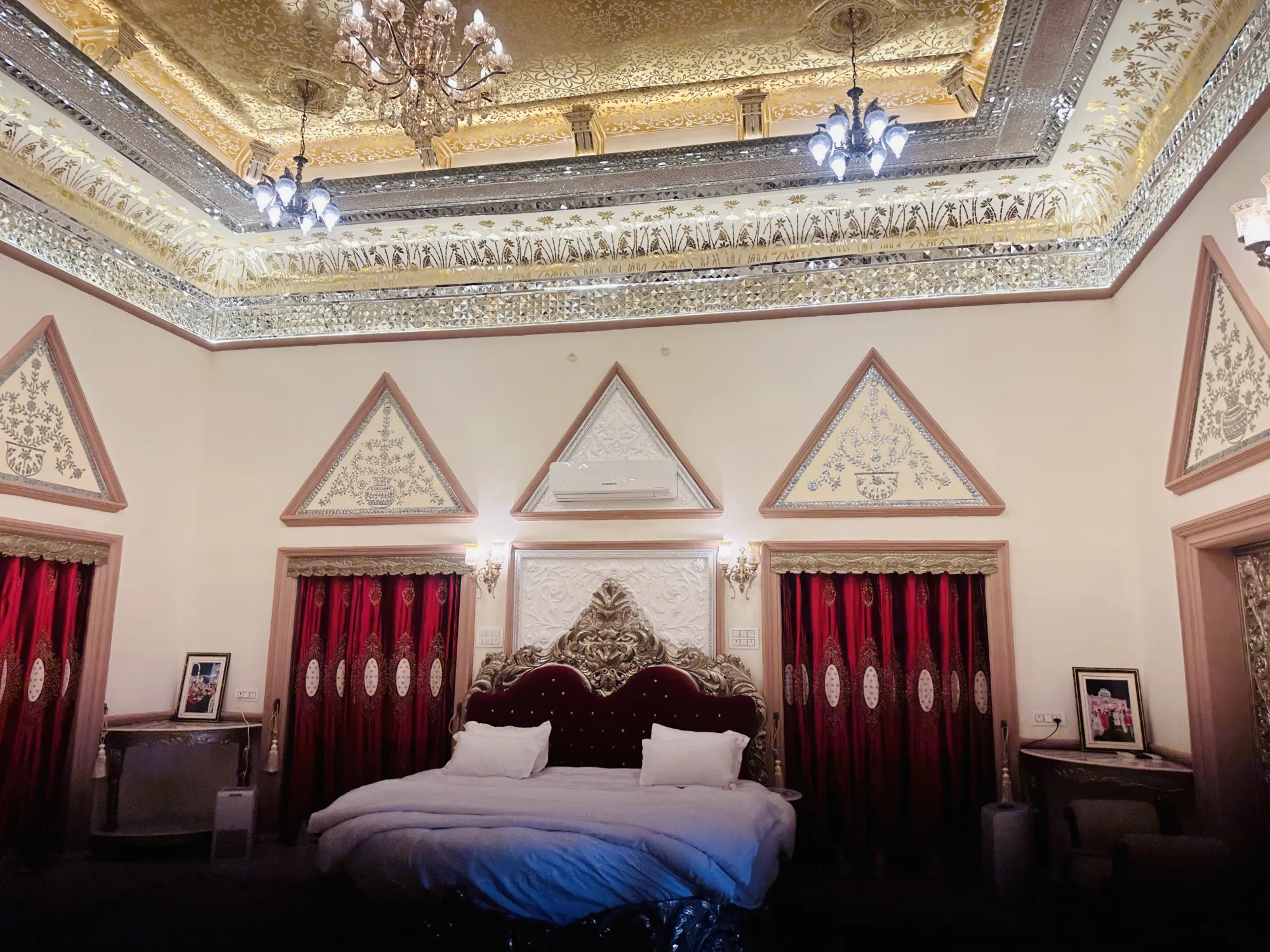

A traveller enters a historic building, notices its architecture and immediately reaches for a phone. Photographs are taken near the entrance, along corridors and beside the most impressive details.
The images may be beautiful, but has the traveller truly experienced the property?
Heritage architecture reveals itself slowly. The scale of a doorway, the depth of a wall, the changing light and the quietness of an old courtyard cannot always be understood through one photograph. These details become meaningful when visitors give themselves enough time to observe.
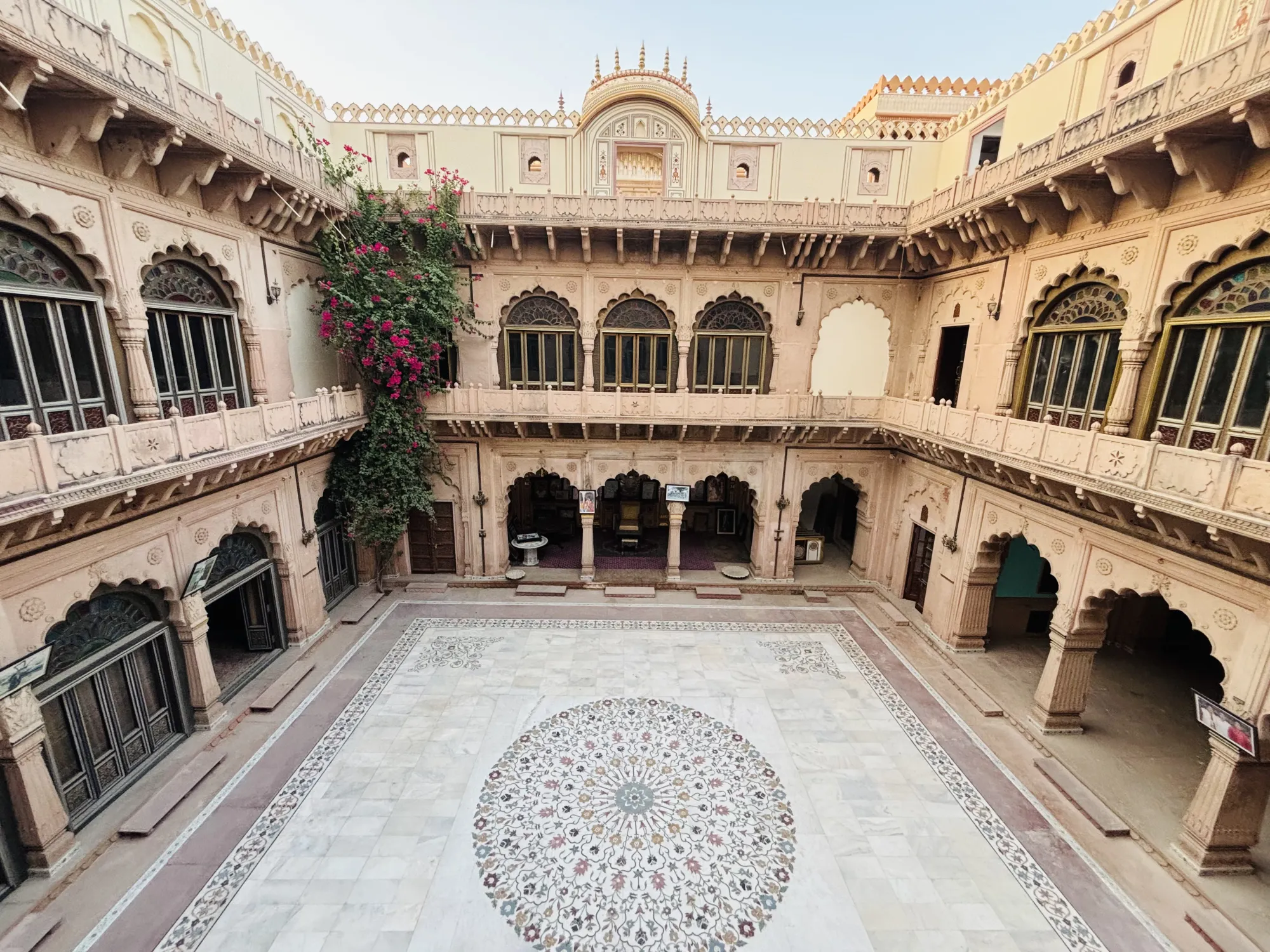
Mahal Khas Palace offers travellers an opportunity to stay within the historic Lohagarh Fort complex in Bharatpur. Built in 1826 by Maharaja Balwant Singh, the palace connects present-day hospitality with nearly two centuries of regional history.
Why Is Staying in a Heritage Property Different from Visiting One?
A heritage visit usually has a fixed duration. Travellers enter, follow a route, take photographs and leave.
An overnight stay creates a different relationship.
Guests see how the building feels at different times. Morning light may reveal architectural details that disappear during the evening. Corridors that appeared active during arrival can become peaceful later. The property gradually stops feeling like an attraction and begins to feel like a temporary residence.
At a Luxury Heritage Hotel in Bharatpur, history does not have to be experienced within a short visiting window. Guests can live within the atmosphere while using accommodation and services designed for contemporary travel.
Is Heritage Only About the Age of a Building?
No. Age is important, but it does not independently create a meaningful heritage experience.
A building may be old without helping visitors understand its identity. Heritage becomes valuable when architecture, location, restoration and storytelling remain connected.
Mahal Khas Palace is situated inside the wider Lohagarh Fort complex. This relationship gives the property geographical and historical context. The palace belongs to Bharatpur rather than using a general “royal” theme that could be reproduced anywhere.
Travellers should ask:
- When was the property built?
- Who was associated with its history?
- Is it located within its original setting?
- Have important architectural features been preserved?
- Does the experience help guests understand the destination?
These questions distinguish genuine cultural character from decorative imitation.
What Happens When Guests Observe the Architecture Slowly?
Fast sightseeing encourages people to look for the most famous or visually dramatic feature. Slow observation reveals smaller details.
Guests may begin noticing:
- Proportions of rooms and passages
- Traditional construction methods
- Patterns created by natural light
- Changes between public and private spaces
- How thick walls influence the feeling of the interiors
- Decorative elements that reflect another period
- The relationship between the palace and the fort complex
These observations do not require expert knowledge. Curiosity is enough.
A guest who pauses and looks carefully can build a more personal understanding than someone who only collects photographs.
Can Historic Character and Modern Comfort Coexist?
Yes. A heritage stay does not need to reproduce every inconvenience of the nineteenth century.
Travellers reasonably expect clean accommodation, suitable bedding, private facilities, hospitality services and a secure environment. These practical comforts allow them to appreciate history without struggling with avoidable inconvenience.
The goal is balance.
If modernisation removes every trace of the past, the property loses its distinctiveness. If preservation ignores present-day guest requirements, the stay may become uncomfortable.
A Heritage Palace Hotel in Bharatpur should protect the character of its setting while providing facilities suited to current travellers. Guests should confirm the available room categories and facilities before booking.
Why Does Location Influence Authenticity?
A heritage property gains meaning from the environment around it.
Mahal Khas Palace is not a newly built hotel decorated to resemble a palace. Its location within Lohagarh Fort connects the stay with Bharatpur’s historical identity.
Guests are therefore not experiencing heritage as an isolated theme. They are staying in a property positioned within a wider historic setting.
This can change how visitors understand the city. Bharatpur may be widely associated with wildlife tourism, but its architectural and royal history adds another layer to the destination.
A well-planned visit can include both natural and cultural experiences without treating either as secondary.
How Does the Palace Feel at Different Times?
Morning, afternoon and evening do not present the building in the same way.
Morning may feel quieter and more reflective. Guests prepare for the day while natural light begins defining the architectural details.
Afternoon often brings movement as travellers return from sightseeing or new guests arrive. The palace feels active and connected with present-day hospitality.
Evening creates another atmosphere. Artificial lighting may draw attention to different parts of the architecture, while the reduced pace allows guests to appreciate the setting without rushing.
Staying overnight allows travellers to experience all these versions.
Why Should Guests Learn the Story Before Arrival?
Understanding basic historical context can make the property more meaningful.
Travellers do not need to memorise dates, but knowing that Mahal Khas Palace was built in 1826 by Maharaja Balwant Singh provides a foundation for observation. Guests can then recognise that they are moving through a building connected with Bharatpur’s royal past.
Without context, old architecture may appear only attractive. With context, it becomes evidence of how the place developed.
Families can also introduce younger travellers to the story before arrival. This may encourage children to look for architectural clues rather than treating the palace as an ordinary hotel.
Can Heritage Hospitality Become Educational?
Yes, but education should feel natural rather than compulsory.
A child may ask why the walls are different from those at home. An adult may wonder how the palace was used historically. A senior family member may connect the environment with stories learned earlier.
These questions create informal learning.
The property becomes a starting point for conversations about architecture, regional history, preservation and how old buildings can be given a useful modern role.
A heritage stay can therefore add intellectual value without becoming a formal history lesson.
What Makes a Royal Stay Feel Authentic?
A Royal Hotel in Bharatpur should not depend only on large rooms, ornate furnishings or ceremonial language.
Authentic royal character develops through:
- Genuine historical location
- Meaningful architecture
- Thoughtful preservation
- Hospitality that feels attentive
- Comfortable accommodation
- A clear connection with regional identity
- Respect for the property’s story
Royal hospitality should make guests feel welcomed, not distanced by excessive formality.
The palace experience becomes stronger when history and service support each other.
How Can Guests Experience Mahal Khas Palace More Meaningfully?
Travellers can follow a few simple practices:
Arrive with sufficient time
A rushed late-night arrival may not allow guests to notice the setting properly.
Learn the basic history
Understanding the property’s age and connection with Bharatpur improves appreciation.
Observe without always photographing
Spend a few minutes looking before using the camera.
Notice changes in light and atmosphere
The property may feel different in the morning and evening.
Ask relevant questions
Where appropriate, guests can request information about the palace and its heritage.
Respect the structure
Historic buildings should be treated as cultural properties, not merely photography sets.
What Should Travellers Confirm Before Booking?
Guests should verify:
- Current room categories
- Maximum room occupancy
- Available amenities
- Meal arrangements
- Check-in and check-out times
- Parking or arrival information
- Accessibility and mobility considerations
- Group-booking conditions
- Cancellation terms
- Official payment instructions
Current information should be obtained through Mahal Khas Palace’s official website or reservation team.
Frequently Asked Questions
Where is Mahal Khas Palace located?
Mahal Khas Palace is located within the historic Lohagarh Fort complex in Bharatpur, Rajasthan.
When was Mahal Khas Palace built?
The palace was built in 1826 by Maharaja Balwant Singh.
Is Mahal Khas Palace an original heritage property?
Yes. It is a historic palace within the Lohagarh Fort complex rather than a modern property built only in a heritage-inspired style.
Can families stay at Mahal Khas Palace?
Families may consider the palace for a heritage stay, but current room occupancy, facilities and any special requirements should be confirmed before booking.
Where should guests check current information?
Travellers should use the official Mahal Khas Palace website or communicate directly with its reservation team.
Final Thoughts
A photograph can record the appearance of a heritage palace, but it cannot fully communicate how the building feels over time.
Mahal Khas Palace gives travellers an opportunity to move beyond a brief visual encounter. By staying within its historic setting, observing the architecture and understanding its relationship with Bharatpur, guests can experience heritage as something lived rather than merely viewed.
The most meaningful memory may not come from the photograph taken at the entrance. It may come from the quiet moment when the traveller finally puts the phone away and begins noticing where they are.



























Sign in to leave a comment.