

A photoshoot can look simple from the outside. The model stands in front of the camera, the photographer takes the pictures, and the session moves on. In reality, a lot can change between the first frame and the final shot.
The light moves. The photographer changes the angle. You are asked to turn your face slightly. A pose that looked good a moment ago no longer works from the new camera position.
Online Short Courses can help aspiring models understand these situations before they experience them on set. They cannot replace practical experience, but they can give you something useful to take into the room: an understanding of what is happening and why.
What happens before the photoshoot begins?
A photoshoot starts before the camera is switched on.
You may need to understand the purpose of the shoot, the mood being created, the clothes or styling involved and what the photographer wants from the images.
Imagine this situation
You arrive at a shoot and the photographer says:
“We are going for something more natural. Keep the movement relaxed and give me a few different expressions.”
If you have never thought about how a shoot works, that instruction can feel vague.
With some preparation, you can start thinking about what the photographer is asking for rather than worrying about what you are supposed to do.
This is one reason online modelling courses can be useful. They can introduce the language and expectations surrounding a photoshoot before you encounter them in person.
What happens when the lighting changes?
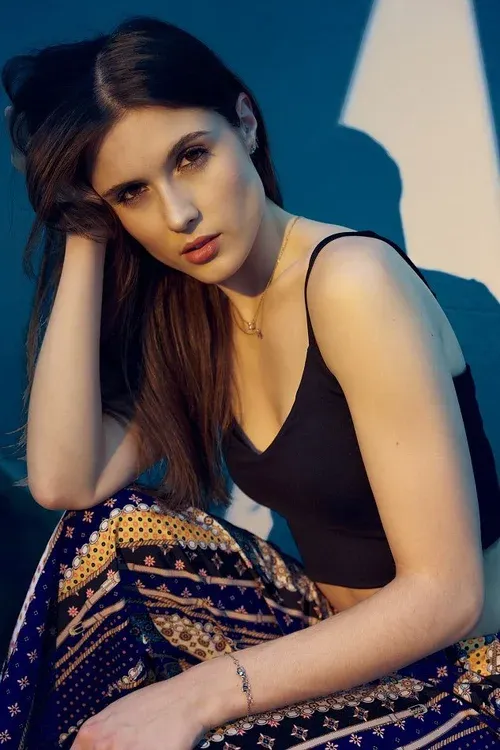
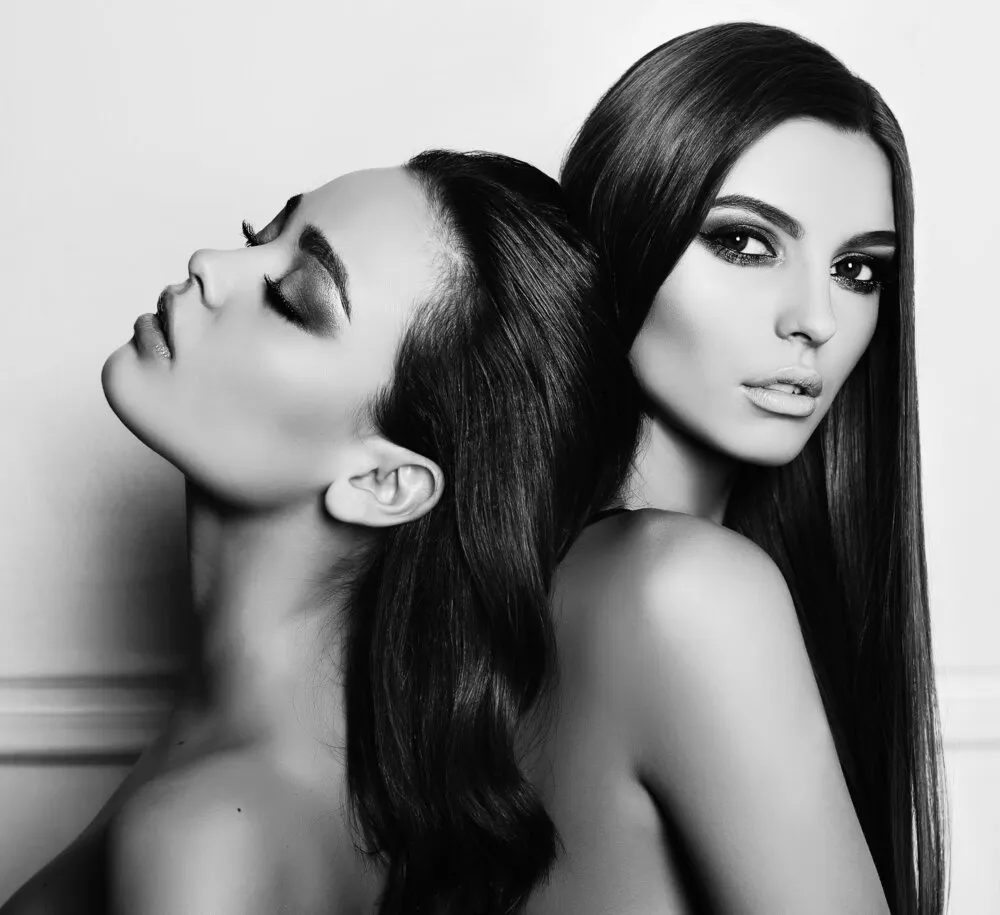
Lighting can change the entire feel of an image.
A photographer may move a light from the front to the side. They may soften the light, create stronger shadows or ask you to move a few centimetres.
You might not notice why the change was made at first.
Picture the difference
Light from the front
Your face may appear evenly lit.
Light from the side
The same face can have stronger definition and shadows.
A small change in position
Your expression, features and the overall mood of the photograph can change.
A model does not need to operate the lighting equipment. It helps to understand how light affects the frame so that you can respond when the photographer asks you to move.
That is a useful subject for Online Short Courses because the basic principles can be learned before they are tested in a real studio.
How does the camera change the way you move?
The camera does not always stay in one place.
A photographer may move closer for a portrait, step back for a full-length image or change the angle to create a different composition.
A common photoshoot moment
You have just found a position that feels comfortable.
Then the photographer moves the camera.
Suddenly, the same position looks different.
Instead of starting from scratch, you can make a small adjustment. You might change the direction of your body, alter your expression or respond to the new angle.
Understanding this relationship between camera position, light and movement can make a photoshoot easier to follow.
The important lesson is that a model is responding to the camera rather than simply holding one position.
What happens when the photographer changes direction?
Photoshoots can change quickly.
A photographer might say:
- “Turn towards the light.”
- “Look past the camera.”
- “Bring your shoulder forward.”
- “Give me something softer.”
- “Hold that for a second.”
- “Let's try it from the other side.”
You may hear several different instructions within a few minutes.
What helps?
Listen → understand → adjust → try again
You do not need to get every frame perfect.
Being able to take direction and make small changes is part of working with a photographer.
Online learning can introduce this process before you experience it, while practical shoots give you the chance to develop the response through experience.
What can you learn before your first photoshoot?
There are several things you can understand before you ever step onto a professional set.
| Before the shoot | During the shoot |
| Understand the purpose of the shoot | Respond to direction |
| Learn about different lighting | Notice how light changes |
| Understand camera angles | Adjust to the camera |
| Learn photoshoot etiquette | Work professionally |
| Understand preparation | Stay ready for changes |
| Learn basic photography concepts | Apply them in real time |
This is where a Modelling Essentials Course can become useful. A structured course can bring different parts of modelling education together rather than leaving a new model to discover everything through trial and error.
Can you learn practical photoshoot skills online?
Some parts can be learned very well online.
You can learn why lighting changes, how camera angles affect an image and what photographers may look for during a shoot.
The physical experience still needs practice.
You will understand the difference once you are actually standing in front of a camera and the photographer asks you to move into a patch of light.
Think of it this way
Online learning gives you the understanding.
Practice gives you the response.
The two can work together.
This is also why comprehensive model courses may include both industry knowledge and practical concepts rather than treating modelling as a single skill.
What if you are interested in fashion shoots?
Fashion shoots can involve different visual styles, locations, lighting setups and creative direction.
Someone searching for fashion modelling courses online may therefore want more than lessons about appearance.
Understanding how a shoot is built can help you appreciate why the photographer asks for certain movements, expressions or positions.
The same principle applies whether you are working in a studio or another setting.
The environment changes.
Your ability to observe and adapt matters.
Is online learning enough on its own?
No course can give you the experience of standing on every type of set.
A short online lesson can explain how lighting works. A real shoot shows you what it feels like when the lighting changes while you are already working.
An online course can explain how to respond to direction. A real photographer gives you those directions when the camera is running.
That difference is important. Online learning prepares you to understand the situation. Practical experience teaches you how to respond to it.
For someone considering intensive modelling courses, short online learning can also be a useful way to understand the basics before committing to more concentrated training.
What should you look for in an online course?
If your goal is to become more comfortable around a camera, look beyond a course that simply promises to teach you how to model.
Ask:
Does it explain what happens during a photoshoot?
Does it cover photography and preparation?
Does it help you understand the professional side of a shoot?
Can you revisit lessons when you need them?
Does the training give you something you can practise afterwards?
These questions can help you separate useful training from a collection of disconnected lessons.
For people researching an Australian academy of modelling, it is also worth checking whether the course reflects the market and professional environment in which they intend to work.
Where can you start?
You do not have to wait until your first professional shoot to start learning how a photoshoot works. Modellè Academy's online learning options cover areas connected with modelling and photography, giving aspiring models an opportunity to build knowledge before putting it into practice.
The Modelling Essentials Course provides broader foundational learning, while the academy's Online Short Courses allow students to explore specific areas through online study. If you want to understand what happens behind the camera and feel more prepared when you eventually step onto a set, explore Modellè Academy's Online Short Courses.
The camera only captures the final frame. Learning what happens before that frame is what helps you make better use of the time you spend in front of it.





















Sign in to leave a comment.