

Diesel engines are widely used in trucks, commercial vehicles, buses, agricultural equipment, and other heavy-duty applications because of their durability and efficiency. However, diesel combustion produces soot and other particulate matter that must be controlled before exhaust gases leave the vehicle. This is where diesel particulate filters play an important role.
A diesel particulate filter, commonly known as a DPF, captures soot particles from exhaust gases and helps reduce harmful emissions. Although these filters are designed to clean themselves through a process called regeneration, they can eventually become restricted or clogged when soot and ash accumulate faster than they can be removed.
Understanding what causes a DPF to become clogged can help vehicle owners identify problems early, maintain engine performance, and avoid unnecessary repair costs.
How Do Diesel Particulate Filters Work?
Diesel particulate filters are installed within a diesel vehicle's exhaust system. Their primary purpose is to capture microscopic soot particles produced during combustion.
As exhaust gases pass through the filter, the filter's porous structure traps particulate matter while allowing the cleaned gases to continue through the exhaust system. Over time, the amount of trapped material increases.
The vehicle's regeneration system is designed to raise exhaust temperatures high enough to burn accumulated soot. During successful regeneration, much of the soot is converted into gases and removed from the filter.
However, regeneration does not eliminate everything inside the filter. Non-combustible ash can remain behind and gradually accumulate. If regeneration is unsuccessful or operating conditions prevent proper regeneration, soot can also build up rapidly.
Eventually, excessive accumulation restricts exhaust flow and can cause noticeable vehicle performance problems.
1. Frequent Short-Distance Driving
One of the most common causes of DPF clogging is frequent short-distance driving.
Diesel engines generally need sufficient operating time and temperature for the exhaust system to reach the conditions required for effective regeneration. When a vehicle is repeatedly driven for short trips, the engine may shut down before regeneration can complete.
This can cause soot to accumulate inside the filter.
Vehicles used mainly for local deliveries, stop-and-go transportation, or short urban journeys may be particularly susceptible to this issue. If regeneration is interrupted repeatedly, the filter can eventually reach a high soot-load level.
Longer journeys under appropriate operating conditions can sometimes help the vehicle complete its regeneration cycle, although drivers should always follow the manufacturer's recommendations.
2. Incomplete or Failed Regeneration
Regeneration is essential for keeping a DPF functioning properly. During active regeneration, the engine management system increases exhaust temperatures to burn accumulated soot.
Problems can occur when regeneration is interrupted or cannot reach the necessary temperature.
Several factors may contribute to unsuccessful regeneration, including:
- Frequent engine shutdowns
- Low exhaust temperatures
- Faulty sensors
- Engine management problems
- Exhaust system faults
- Incorrect fuel or injection conditions
- Excessive soot accumulation
If regeneration repeatedly fails, the filter may become increasingly restricted. At this stage, simply continuing to drive the vehicle may not solve the problem.
3. Excessive Idling
Extended engine idling can also contribute to DPF problems.
When a diesel engine operates at idle for long periods, exhaust temperatures can remain relatively low. This may prevent the exhaust system from reaching the conditions required for efficient soot oxidation.
Commercial vehicles that spend significant amounts of time idling at loading areas, construction sites, warehouses, or roadside locations can therefore experience increased DPF loading.
Reducing unnecessary idling and following recommended operating procedures can help minimize the risk of excessive soot accumulation.
4. Engine Problems
A DPF does not operate independently from the rest of the engine. Problems within the engine can directly affect the amount of soot entering the exhaust system.
For example, issues involving fuel injectors, turbochargers, air intake systems, exhaust gas recirculation components, or sensors can cause inefficient combustion.
Poor combustion can produce more soot than normal. When excessive soot enters the exhaust system, the DPF has to capture more particulate matter than it was designed to handle under normal conditions.
Therefore, a clogged DPF can sometimes be a symptom of an underlying engine problem rather than the original cause.
Proper diagnosis is important before cleaning or replacing the filter.
5. Faulty Sensors
Modern diesel exhaust systems rely on multiple sensors to monitor operating conditions.
Pressure sensors, temperature sensors, oxygen sensors, and other components provide information to the engine control system. This information helps determine when regeneration should occur and whether the DPF is operating correctly.
If a sensor provides inaccurate information, the vehicle may not initiate regeneration at the appropriate time.
A faulty pressure sensor, for example, may incorrectly report the condition of the filter. Similarly, temperature-related sensor problems can interfere with regeneration.
Replacing or repairing faulty sensors may therefore be necessary to prevent repeated DPF clogging.
6. Excessive Ash Accumulation
Soot and ash are often discussed together, but they behave differently inside a DPF.
Soot is primarily combustible and can be reduced during regeneration. Ash, on the other hand, consists largely of non-combustible material that remains behind after regeneration.
Over many miles or operating hours, ash can accumulate within the filter. This reduces the available filtration capacity and increases exhaust backpressure.
Once significant ash accumulation occurs, normal vehicle regeneration may no longer be enough. Professional DPF cleaning can be used to remove accumulated material and restore the filter's internal flow characteristics when the filter is otherwise serviceable.
7. Poor-Quality or Incorrect Engine Oil
The type and quality of engine oil can also affect DPF performance.
Modern diesel engines equipped with particulate filters typically require specific low-ash or low-SAPS lubricants. Using an unsuitable oil can increase the amount of ash-forming material entering the exhaust system.
Over time, this can contribute to ash accumulation inside the filter.
Vehicle owners should always use the oil specification recommended by the manufacturer. Correct lubrication protects the engine while also helping reduce unnecessary contamination of the exhaust after-treatment system.
8. Problems With the Exhaust System
Leaks or damaged components in the exhaust system can interfere with DPF operation.
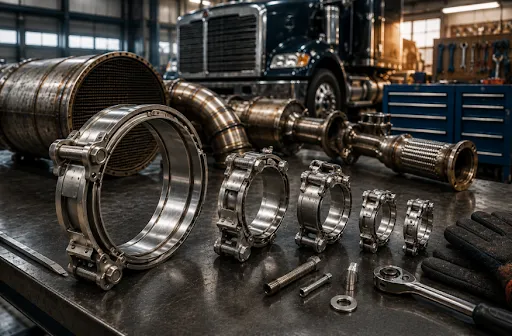
Exhaust leaks can affect pressure readings, temperature management, and overall exhaust flow. Damage around connections, sensors, clamps, or seals can also allow gases to escape before passing correctly through the exhaust system.
A damaged or deteriorated dpf gasket can be especially important because gaskets help create a proper seal between exhaust components. If a gasket is damaged, improperly installed, or no longer sealing effectively, an exhaust leak may develop.
During DPF service or replacement, inspecting associated gaskets, clamps, and connections is therefore an important part of the process.

9. Heavy-Duty Operating Conditions
Commercial and heavy-duty vehicles often operate under demanding conditions.
Construction trucks, delivery vehicles, agricultural machinery, utility vehicles, and long-haul trucks may experience heavy loads, variable speeds, extended idling, and frequent changes in operating conditions.
These factors can influence exhaust temperature and soot production.
A vehicle that operates under heavy load may produce substantial particulate matter, while a vehicle that spends considerable time idling may struggle to complete effective regeneration.
Understanding the vehicle's operating environment is important when diagnosing recurring DPF problems.
10. Delayed Maintenance
Ignoring early warning signs can allow a relatively manageable DPF restriction to become a major problem.
Common warning signs include:
- DPF warning lights
- Reduced engine power
- Increased fuel consumption
- Frequent regeneration cycles
- Poor acceleration
- Excessive exhaust backpressure
- Engine warning lights
- Limp-mode operation
When these symptoms appear, delaying inspection may allow soot and ash accumulation to increase.
Early diagnosis can help identify whether the issue is related to the DPF itself, the regeneration system, or another engine or exhaust component.
How Can DPF Clogging Be Prevented?
Although some DPF accumulation is unavoidable, proper maintenance can reduce the likelihood of severe blockage.
Vehicle owners and fleet operators can consider the following practices:
Follow the manufacturer's maintenance schedule
Regular servicing helps identify engine, sensor, fuel, and exhaust problems before they contribute to excessive soot production.
Use the correct engine oil
Always use the manufacturer-approved oil specification to minimize ash accumulation and protect the engine.
Avoid unnecessary idling
Reducing prolonged idling can help maintain more appropriate exhaust temperatures during vehicle operation.
Allow regeneration to complete
If the vehicle begins an automatic regeneration cycle, following the manufacturer's instructions can help prevent repeated interruptions.
Investigate warning lights promptly
A DPF warning should not be ignored. Early inspection can help prevent a developing restriction from becoming severe.
Consider professional DPF cleaning
When a filter contains significant soot or ash accumulation, professional cleaning may restore flow and extend the service life of a reusable filter.
When Is Professional DPF Cleaning Necessary?
Not every clogged DPF needs immediate replacement.
If the filter substrate is structurally sound and has not suffered severe thermal or physical damage, professional cleaning may be an effective option. Specialized cleaning equipment can remove accumulated soot and ash that normal vehicle regeneration cannot eliminate.
A professional service can also inspect the filter for damage and perform flow testing to determine whether cleaning has restored its performance.
However, cleaning should not be considered a substitute for repairing the underlying cause of repeated clogging. If an engine, sensor, injector, turbocharger, or exhaust component is malfunctioning, that issue should also be addressed.
Keep Your DPF System Working Properly
A clogged DPF can affect fuel economy, engine performance, exhaust flow, and vehicle reliability. Understanding the causes of DPF blockage makes it easier to recognize problems early and take appropriate action.
If your vehicle's filter is showing signs of excessive soot or ash accumulation, 30 Minute DPF Clean can help with professional DPF cleaning services. Proper cleaning can remove accumulated contaminants while helping restore exhaust flow in serviceable filters.
Whether you operate a commercial truck, diesel vehicle, tractor, or utility vehicle, don't wait for a restricted filter to become a larger problem. Contact 30 Minute DPF Clean today to discuss your DPF cleaning needs and get your filter back to proper operating condition.

























Sign in to leave a comment.