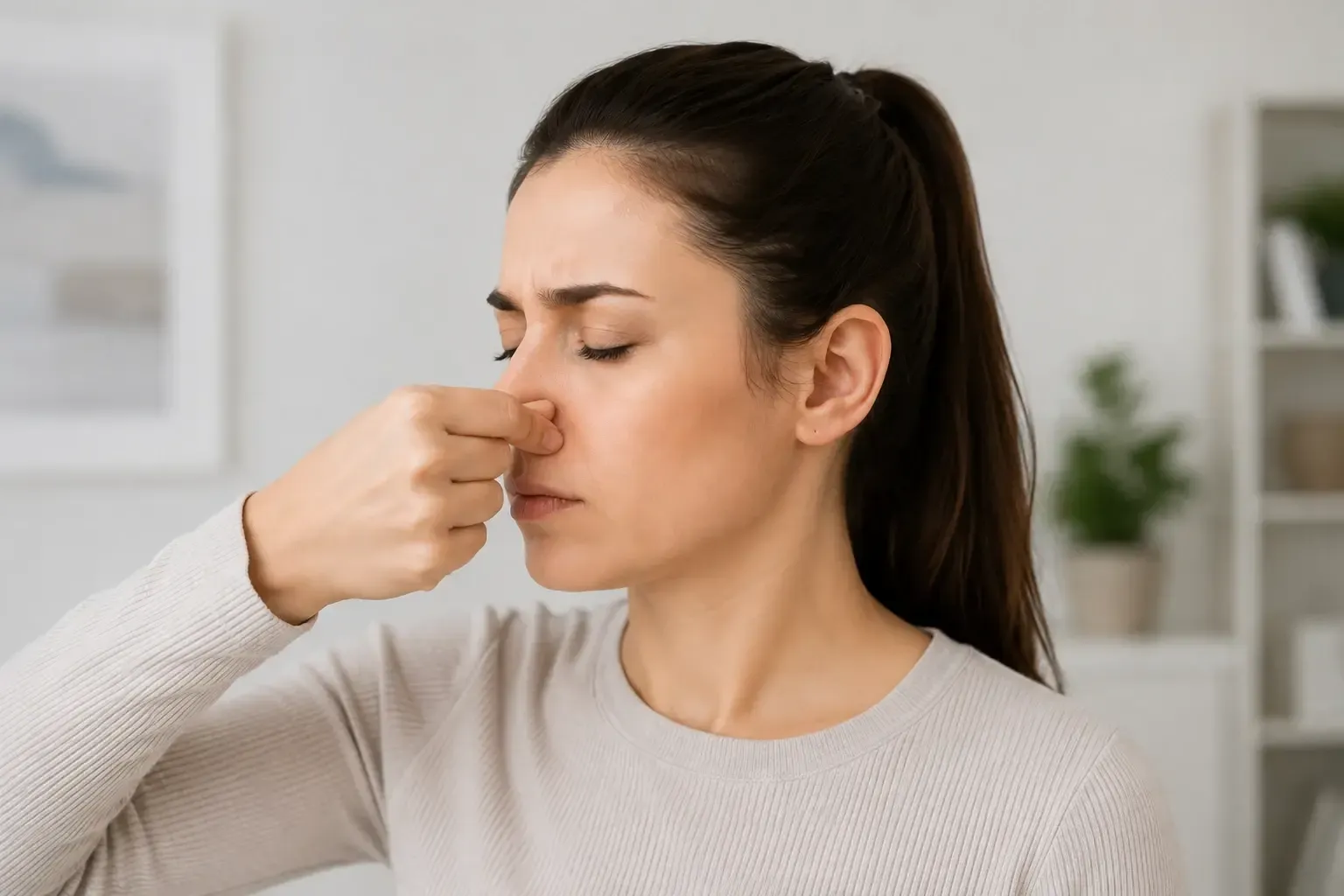


Have you ever wondered, “Why do my ears keep popping?” Occasional ear popping is usually harmless and often happens when you fly, travel to a different altitude, swallow, yawn, or chew. However, frequent or persistent popping can sometimes indicate an underlying ear, sinus, or jaw-related problem.
Understanding the possible causes can help you know when simple self-care is enough and when professional advice may be needed.
What Causes Your Ears to Pop?
Ear popping is usually connected to the Eustachian tubes, which connect the middle ear to the back of the nose and throat. These small tubes help balance air pressure on either side of the eardrum. When they open, you may hear or feel a familiar popping sensation.
Several things can interfere with this process.
1. Eustachian Tube Dysfunction
Eustachian Tube Dysfunction (ETD) is one of the common causes of repeated ear popping. When the tubes become swollen or fail to open properly, pressure can build up behind the eardrum. This may cause popping, muffled hearing, fullness, discomfort, or tinnitus.
ETD can occur after a cold or alongside allergies and sinus problems.
2. Changes in Air Pressure
Flying, scuba diving, travelling through mountainous areas, or experiencing rapid altitude changes can affect pressure inside the middle ear. Most temporary popping settles once the pressure equalises. Severe pressure changes, however, can sometimes cause pain, hearing changes, or barotrauma.
Swallowing, yawning, chewing gum, and drinking water during take-off and landing may help equalise pressure.
3. Allergies, Sinus Problems and Ear Infections
Nasal congestion caused by allergies or sinusitis can lead to swelling around the Eustachian tubes, making it harder for pressure to equalise. Ear infections can also cause fluid to build up behind the eardrum, resulting in popping, crackling, pain, or reduced hearing.
Treating the underlying condition can often improve the ear symptoms.
4. Excess Earwax
Although earwax is located in the outer ear, a significant build-up can make your ears feel blocked and may contribute to popping, temporary hearing loss, tinnitus, or discomfort. Professional ear wax removal may be recommended when wax is causing symptoms.
5. Jaw Problems
The temporomandibular joint (TMJ) is located close to the ear. Jaw tension, teeth grinding, or TMJ problems can sometimes cause clicking or popping sensations that seem to come from the ear. Jaw pain, facial tenderness, headaches, or difficulty chewing may occur at the same time.
When Should You Seek Help?
Occasional popping that disappears quickly is generally not concerning. However, you should consider professional assessment if popping continues for more than a week or two, keeps returning, or occurs alongside:
- Ear pain or persistent pressure
- Muffled hearing or hearing loss
- Ringing or buzzing in the ears
- Dizziness or balance problems
- Fluid, pus, or blood coming from the ear
- Fever or symptoms of infection
Sudden hearing loss requires prompt medical attention, so contact your GP or NHS 111 the same day rather than waiting for it to improve.
How Is Ear Popping Treated?
Treatment depends on the underlying cause. Temporary pressure-related popping may improve with swallowing, yawning, chewing gum, or gentle pressure-equalising techniques. Allergies and congestion may require appropriate treatment, while ear infections need assessment and management.
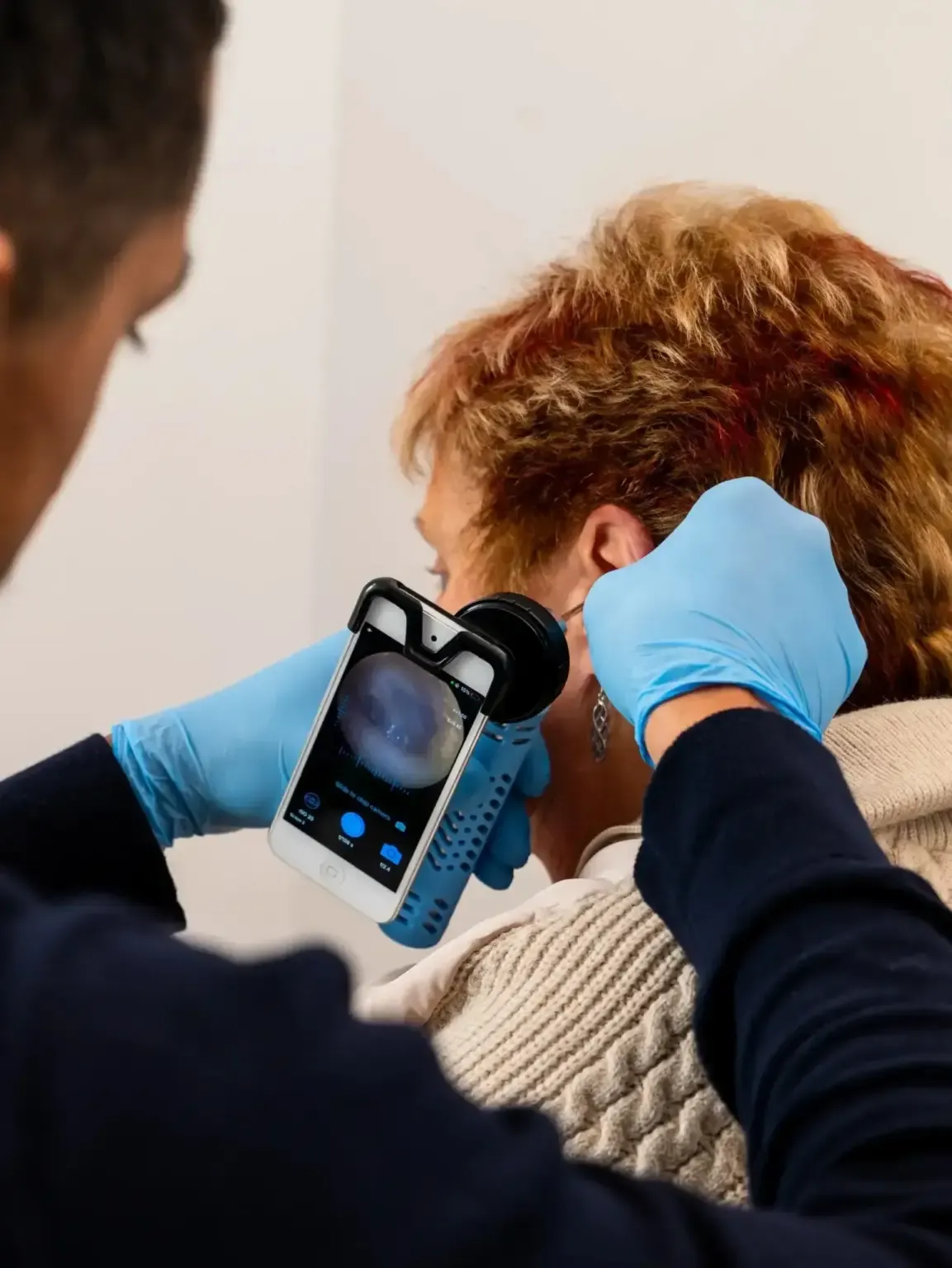
If excess earwax is responsible, professional removal methods such as microsuction or ear irrigation may help. Persistent symptoms may require a hearing assessment or further investigation.
Conclusion
Ear popping is often your ears' normal way of balancing pressure, particularly during flights or altitude changes. However, repeated popping can also be linked to Eustachian Tube Dysfunction, allergies, sinus problems, infections, earwax build-up, or jaw conditions.
If your symptoms persist or are accompanied by hearing changes, pain, tinnitus, dizziness, or discharge, seeking professional advice can help identify the underlying cause and ensure you receive appropriate treatment.
























Sign in to leave a comment.