

Macular edema can develop quietly, yet it has the potential to threaten the sharp central vision you rely on for reading, driving, and recognizing faces. What causes macular edema is a question many adults ask after noticing blurred or distorted vision, especially those with diabetes or retinal eye conditions.
The macula is the small central part of the retina responsible for detailed vision. When fluid leaks from damaged blood vessels and collects in this area, swelling occurs and vision becomes less clear. Early diagnosis and treatment by a Retina Specialist can often help preserve vision and reduce the risk of long-term damage.
Understanding Macular Edema
What happens inside the eye?
Think of the macula as the camera sensor of the eye. When excess fluid builds up, the image becomes swollen and blurry, much like a water-damaged photograph.
Why is it important?
According to the U.S. National Eye Institute, diabetic eye disease is one of the leading causes of vision loss in working-age adults, and macular edema is a common complication of it.
What Causes Macular Edema?
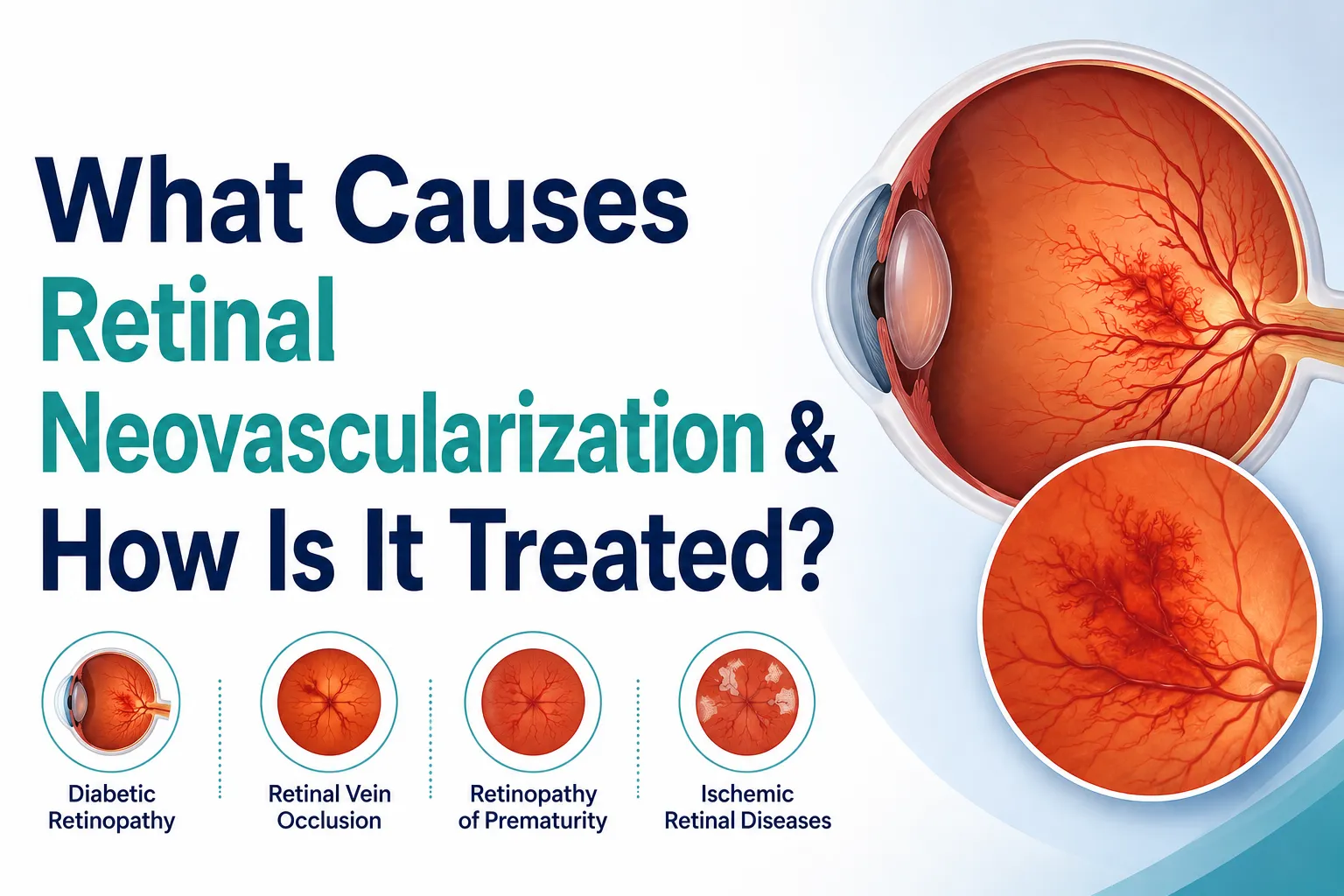
Diabetic retinopathy
High blood sugar can weaken retinal blood vessels, allowing fluid to leak into the macula.
Retinal vein occlusion
A blocked retinal vein increases pressure in the vessels, leading to swelling and fluid accumulation.
Eye surgery or inflammation
Cataract surgery, uveitis, and other inflammatory conditions can temporarily disrupt the blood-retina barrier.
Common Symptoms to Watch For
Blurred central vision
Objects may appear out of focus even when wearing glasses.
Distorted or wavy lines
Straight lines may look bent, similar to viewing them through rippling water.
Colors appear faded
Some people notice reduced contrast or duller colors in the affected eye.
Who Is Most at Risk?
Adults over 40
Age-related retinal changes increase vulnerability.
People with diabetes
Longer duration of diabetes and poor blood sugar control significantly raise the risk.
Individuals with retinal disease
Conditions such as macular degeneration, retinal vein occlusion, or previous retinal surgery increase the likelihood of developing edema.
When Should You Seek Medical Attention?
Seek prompt evaluation if you notice:
- Sudden blurred vision
- Wavy or distorted vision
- A dark or empty spot in central vision
- Vision loss in one eye
A useful rule is: if the change is sudden, persistent, or affects daily activities, contact a Retina Specialist immediately.
Emergency situations
Seek urgent care if vision loss occurs suddenly, is accompanied by flashes or many new floaters, or follows eye trauma.
How Is Macular Edema Diagnosed and Treated?
Diagnostic tests
- Dilated retinal examination
- Optical coherence tomography (OCT)
- Fluorescein angiography
Treatment options
Depending on the cause, treatment may include anti-VEGF injections, steroid therapy, laser treatment, or management of diabetes and blood pressure.
For example, many patients with diabetic macular edema experience meaningful vision improvement after a series of anti-VEGF injections combined with better glucose control.
Protecting Your Vision Starts with Early Action
Macular edema is not a condition to ignore. Blurred or distorted central vision can be an early warning sign of retinal disease, and the sooner the underlying cause is identified, the better the chance of preserving sight. If you are over 40, have diabetes, or have been diagnosed with a retinal or macular condition, schedule a comprehensive retinal evaluation at the first sign of vision changes. A qualified Retina Specialist can determine the cause, recommend the most effective treatment, and help protect your long-term vision.

























Sign in to leave a comment.