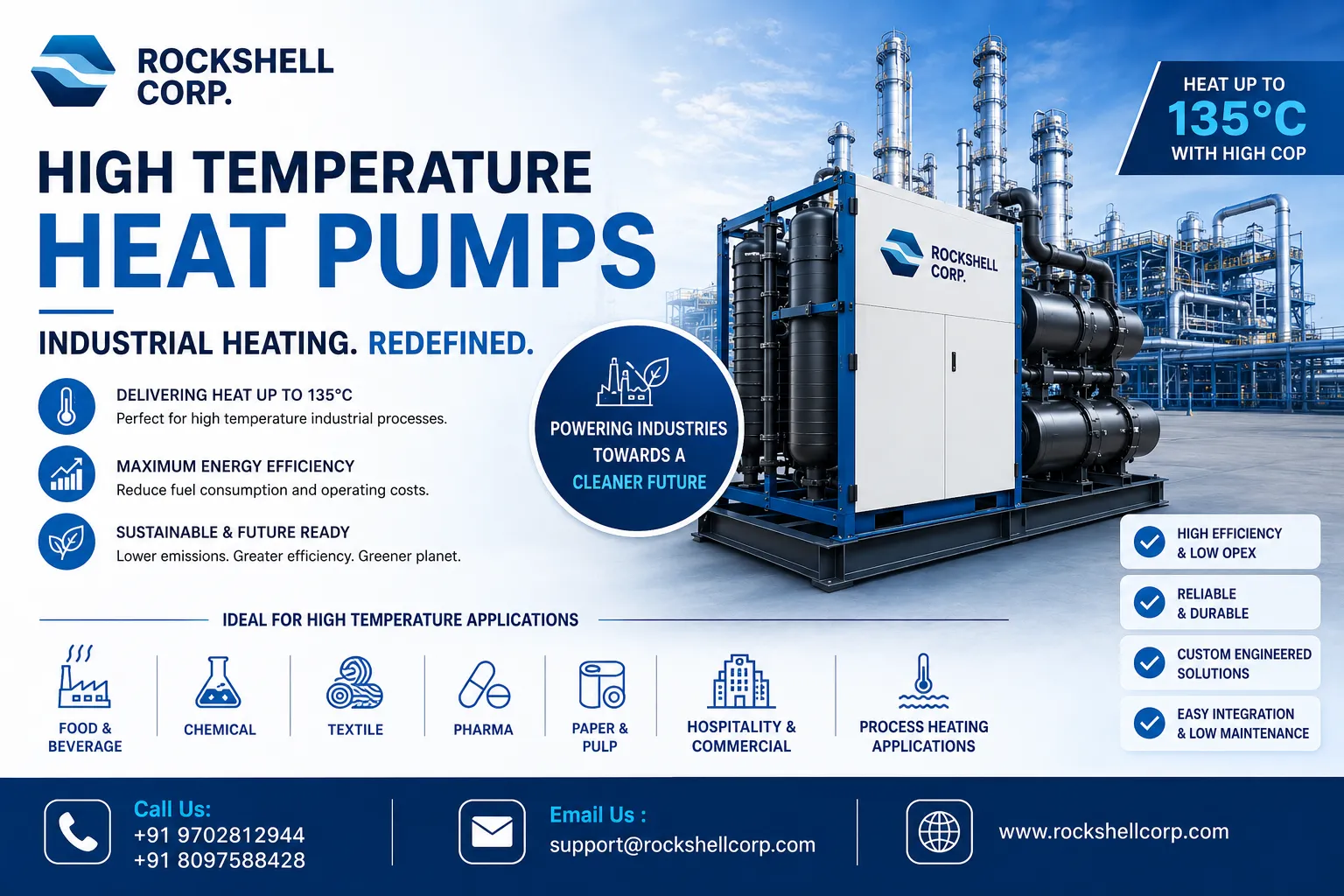

A well-designed high-temperature heat pump begins with accurate process information. Before selecting equipment, a high temperature heat pump manufacturer needs to understand how an industry generates, transfers, and consumes heat. This information helps determine the required heating capacity, temperature range, heat source, operating conditions, and system configuration. For industries considering process electrification, detailed project data also helps manufacturers develop a reliable and energy-efficient solution.
1. Process Temperature and Heating Requirements
The first requirement is a clear understanding of the industry's heating process. The manufacturer needs to know the required supply temperature, return temperature, and whether the heat is needed as hot water, hot air, thermal fluid, or steam.
For example, drying, pasteurization, evaporation, and process-water heating can have very different temperature and flow requirements. High-temperature heat pumps can be designed for demanding applications, with some industrial systems targeting temperatures well above conventional heat-pump ranges.
The manufacturer should also know whether the process operates continuously, in batches, or according to a variable production schedule.
2. Heat Source and Waste Heat Information
Next, the high temperature heat pump Manufacturer needs detailed information about the available heat source. This could include ambient air, cooling water, process exhaust, wastewater, condenser heat, or another source of recoverable waste heat.
Important information includes:
- Heat-source temperature range
- Available heat quantity
- Flow rate
- Operating hours
- Seasonal variations
- Chemical or physical characteristics of the source
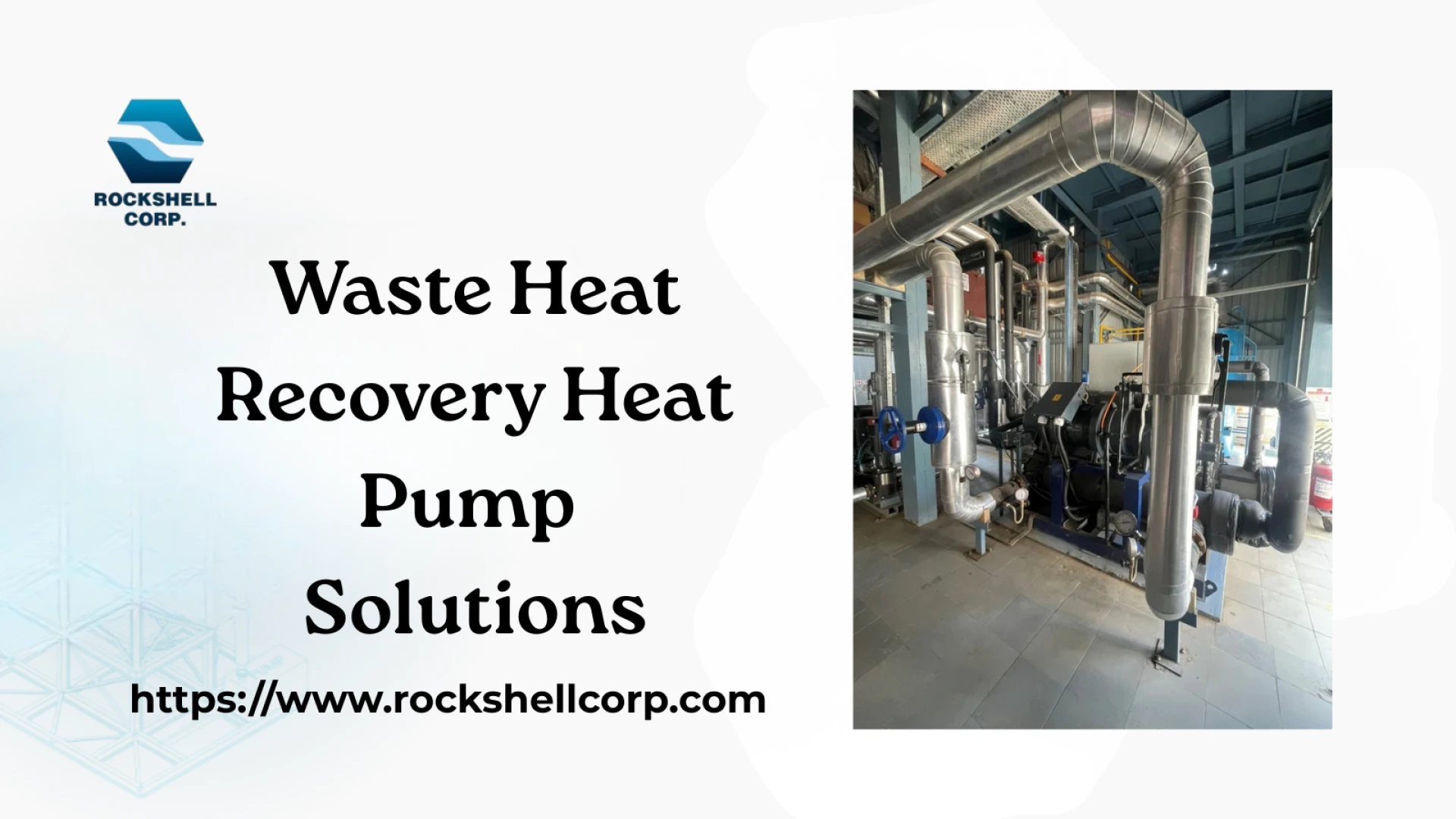
This information becomes especially important for waste heat recovery heat pumps. Recovering usable heat from an existing process can improve overall energy utilization while reducing dependence on conventional fuel-based heating systems.
3. Required Capacity, Flow and Operating Conditions
A manufacturer also needs to calculate how much heat the process actually requires. Therefore, industries should provide current fuel or electricity consumption, production capacity, operating hours, and heating-load information whenever available.
Flow rates are equally important. For hot-water applications, the manufacturer may need information about inlet and outlet temperatures and water circulation. For steam applications, steam pressure, steam temperature, required flow, and operating pressure become important design parameters.
The high temperature heat pump Manufacturer can then determine the appropriate heating capacity and system configuration rather than relying on assumptions.
4. Site, Utilities and Integration Details
Finally, the manufacturer needs information about the installation environment and existing utilities. This includes available floor space, equipment-room dimensions, electrical supply, existing boilers, piping networks, cooling systems, and control systems.
Integration is particularly important when an industry wants to add an industrial high temperature heat pump to an existing heating system. Depending on the application, the heat pump may work alongside existing boilers or steam and hot-water networks rather than replacing every component.
Industries should also share information about environmental conditions, accessibility for maintenance, noise restrictions, safety requirements, and future expansion plans.
How Rockshell Corp Supports Customized Heat Pump Design
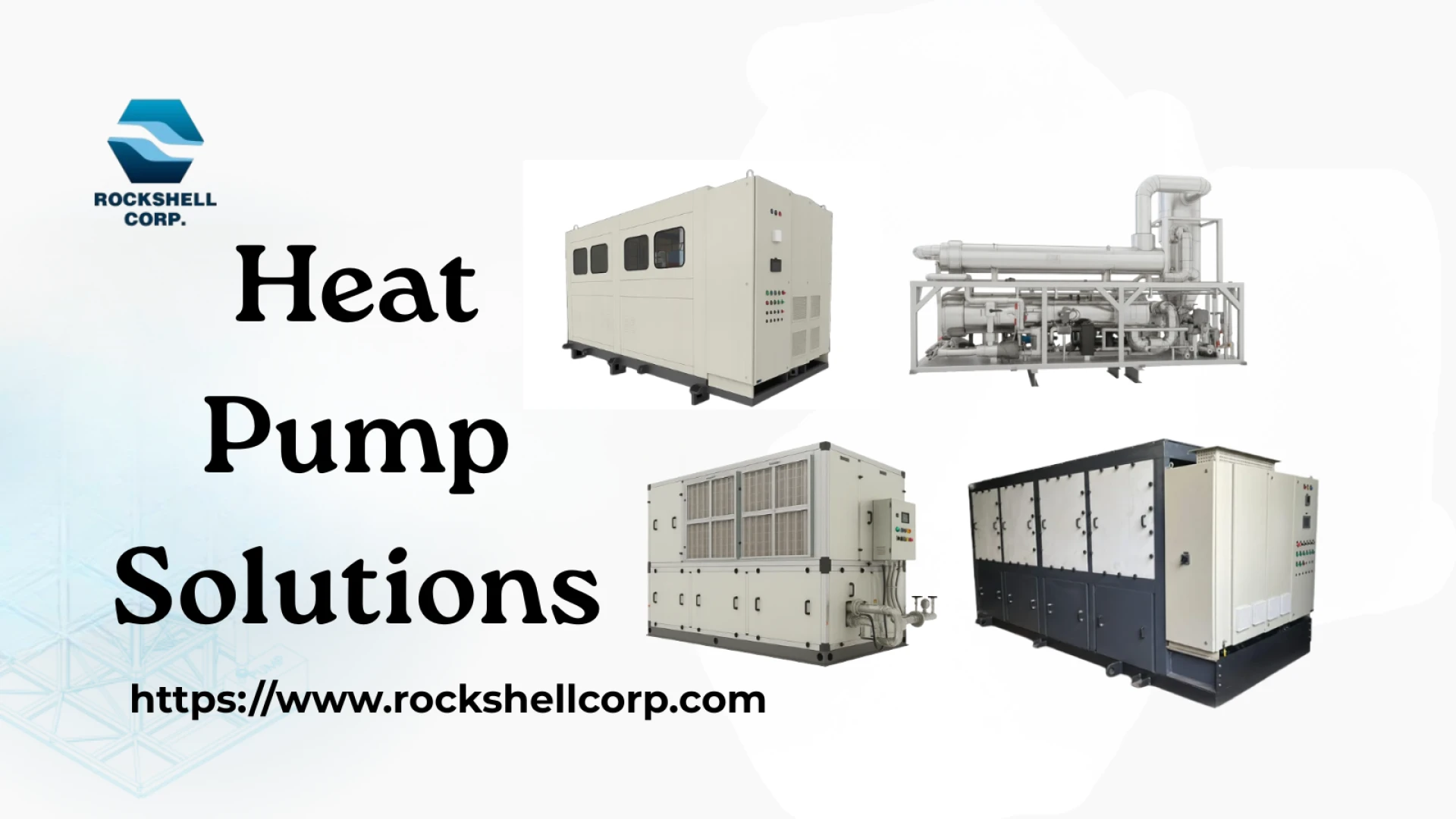
Rockshell Corp approaches industrial heat-pump projects around the specific requirements of the process rather than using a one-size-fits-all configuration. Its high-temperature heat-pump solutions are intended for applications such as food processing, paper and pulp, chemical manufacturing, and other industrial processes requiring elevated-temperature heat.
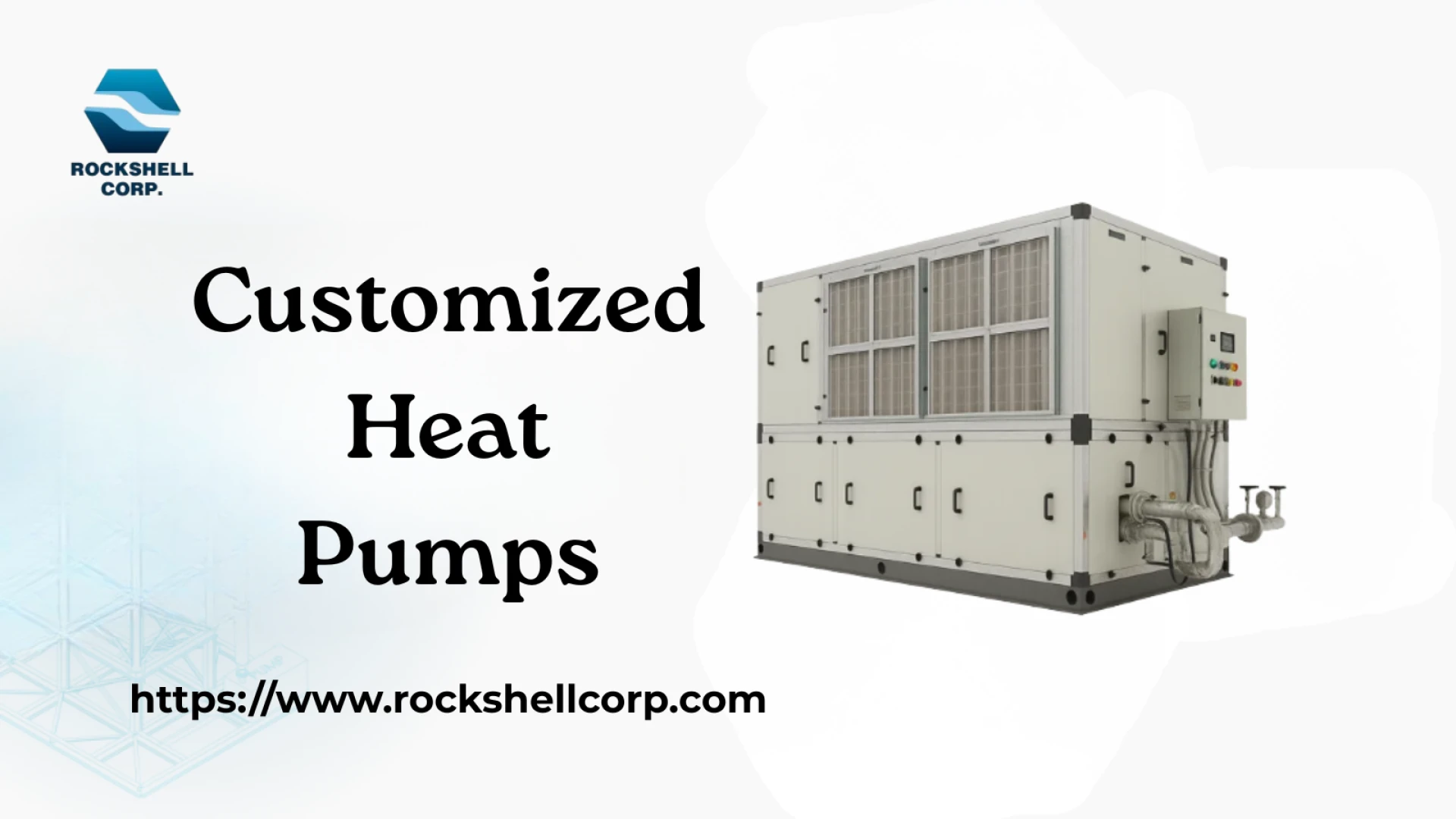
By reviewing process temperatures, heat sources, capacity requirements, operating conditions, and integration needs, Rockshell Corp can develop a system suited to the industry's application. Its stated support covers areas from feasibility and engineering design through commissioning and long-term maintenance.
Conclusion
Providing complete process information makes it easier for a high temperature heat pump Manufacturer to design the right solution for an industrial application. Temperature requirements, heat-source characteristics, heating capacity, flow rates, operating schedules, site conditions, and existing utilities all influence the final design. For industries exploring process electrification or high temperature heat pump solutions, sharing accurate technical data at the beginning can support better system sizing and integration. Rockshell Corp can help industries evaluate their requirements and develop customized heat-pump solutions aligned with their process needs.




















Sign in to leave a comment.