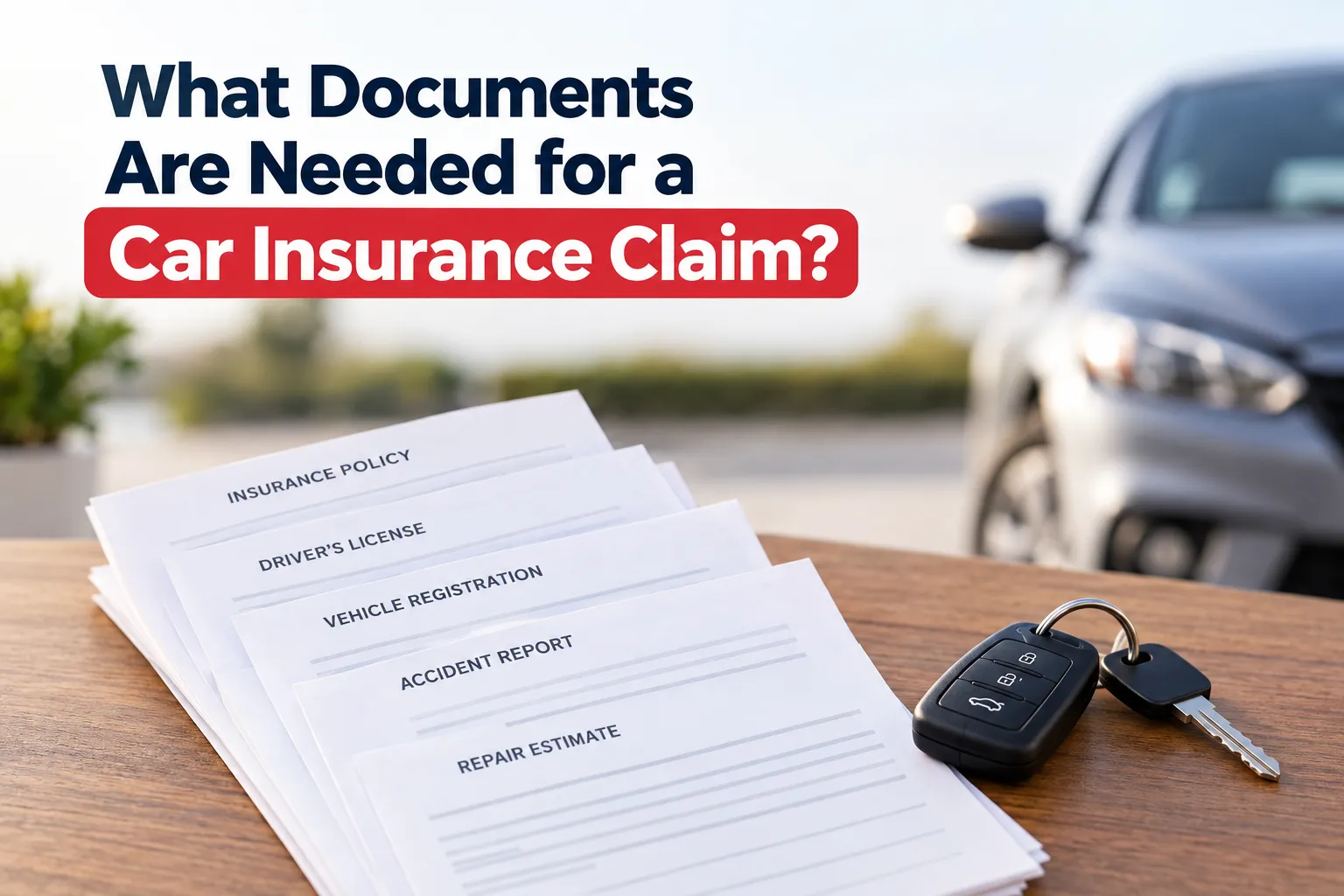


A car accident or sudden damage can be stressful, and dealing with insurance paperwork can complicate the problem. Having the required documents available can assist to expedite the claim process and minimise unnecessary delays. Just as car owners pay attention to indicators that their clutch is wearing out, braking problems, tyre condition, and other warning signs, it is also beneficial to understand what paperwork is required when something goes wrong. A little planning can save a lot of time when filing an insurance claim.
So, what documents are needed for a car insurance claim? In most cases, you need your insurance policy, Registration Certificate (RC), driving licence, claim form, repair estimate, and repair bills. An FIR and some additional documents may also be required depending on the type of accident or claim. The exact list can differ based on your insurer, policy, and the nature of the damage.
Documents Required for a Car Insurance Claim
When you make a car insurance claim, the insurer requires documentation to confirm the vehicle, driver, damage, and policy information. Missing or incomplete paperwork can cause delays in the claim process, so keep vital documents on hand. Some documents are required for practically every claim, while others are only necessary in certain circumstances. Here are the basic documents necessary for filing an automobile insurance claim in India.
1. Car Insurance Policy Copy
Your car insurance policy is one of the first documents required while filing a claim. Your policy number, your car information, your coverage details and your policy validity are all listed in the file. The insurer checks these facts to see if your policy was active when the incident happened. I keep a copy on my phone so I can get the information quickly whenever I need it.
Important details available in the policy include:
* Policy number
* Vehicle details
* Policy start and expiry date
* Type of insurance coverage
* Insured Declared Value (IDV), where applicable
2. Vehicle Registration Certificate (RC)
The Registration Certificate verifies that your vehicle is officially registered and gives valuable information about it. It includes information such as the registration number, owner's name, car model, chassis number, and engine details. The insurer utilizes the RC to match the damaged car to the information in the insurance policy. Make sure your RC details and insurance information are correct and up to date.
You may need to provide:
* A copy or accepted digital version of the RC
* Vehicle registration number
* Chassis and engine details
* Registered owner's information
3. Valid Driving Licence
The insurer may request the driver's licence of the individual who was driving the vehicle when the accident occurred. The licence must be valid and suitable for the type of vehicle involved in the claim. It enables the insurance company to establish that the motorist was legally allowed to operate the vehicle. An expired, invalid, or inaccurate licence can cause issues during claim verification.
Check these details before submitting it:
* Driver's name
* Licence number
* Licence validity
* Vehicle category mentioned on the licence
4. Completed Insurance Claim Form
The claim form provides the insurer with complete information about the accident or damage. Many insurance companies now allow customers to complete this form online through their website or mobile app. Customers must enter all details carefully because incorrect or incomplete details may delay verification. Customers must keep the description of the incident clear and based on what happened.
The claim form usually asks for:
* Policy number
* Vehicle registration number
* Date and time of the incident
* Location of the accident
* Driver details
* Description of the damage or accident
5. Repair Estimate
After the damaged vehicle reaches a workshop, you may receive an estimate showing the expected cost of repairs. This helps the insurance company understand the level of damage and the approximate amount needed to repair the car. In some cases, a surveyor may inspect the vehicle before repairs are approved. It is generally better to follow the insurer's process before starting major repairs.
A repair estimate can include:
* Labour charges
* Cost of replacement parts
* Denting and painting charges
* Mechanical repair costs
* Estimated total repair amount
6. Repair Bills and Payment Receipts
Repair bills are especially important when you choose a reimbursement claim. In this type of claim, you normally pay the workshop first and then submit the required bills to the insurance company. The insurer checks the expenses and reimburses the eligible amount according to your policy terms. Keep all invoices and payment receipts safely until the complete claim has been settled.
You may need:
* Final repair invoice
* Payment receipt
* Parts invoices, where applicable
* Other supporting workshop documents
Is an FIR Required for a Car Insurance Claim?
An FIR is not required for every small car insurance claim. However, it can become an important document in cases such as vehicle theft, serious accidents, third-party injury, or other situations where police involvement is necessary. Requirements can differ depending on the circumstances and insurer. If you are unsure, contact your insurance company and ask whether an FIR is needed for your particular claim.
An FIR may be required in situations involving:
* Car theft
* Serious road accidents
* Third-party injury
* Major property damage
* Other cases requiring police investigation
Documents Required for a Car Theft Insurance Claim
A stolen car claim usually requires more documents because the insurer needs to confirm the theft and police investigation. You should inform the police and your insurance company as soon as possible after discovering that the vehicle has been stolen. The insurer may ask for documents beyond those required for a normal accidental damage claim. Keep copies of every police and insurance document you receive during the process.
Common documents may include:
* Copy of the FIR
* Car insurance policy details
* Registration Certificate
* Completed claim form
* Vehicle keys
* Police investigation documents
* Non-traceable certificate, when required
* Additional documents requested by the insurer
Documents for Cashless Car Insurance Claims
In a cashless claim, you normally take your damaged vehicle to a network garage approved by your insurance company. After inspection and approval, the insurer settles the eligible repair amount directly with the garage. This reduces the amount you need to pay upfront for covered repairs. However, you may still need to pay deductibles and repair costs that are not covered under your policy.
Keep these documents and details ready:
* Insurance policy details
* RC
* Driving licence
* Claim form
* Claim reference number
* Other documents requested by the insurer
Documents for Reimbursement Car Insurance Claims
A reimbursement claim works differently because you usually pay the repair cost yourself first. After the repairs are completed, you submit the required documents and bills to your insurance company. The insurer checks the claim and reimburses the eligible amount based on your policy coverage. Because payment proof is important in this process, keep all original invoices and receipts safely.
You may have to submit:
* Completed claim form
* Insurance policy details
* RC copy
* Driving licence copy
* Repair estimate
* Final repair invoice
* Payment receipts
* Bank details, if requested
How to File a Car Insurance Claim
Following the right procedure from the start makes filing a claim for auto insurance easier. Make sure everyone is safe after an accident and, if at all possible, relocate to a safe area. As soon as you can, document the damage and notify your insurance company. Before scheduling significant repairs, follow the insurer's instructions because an inspection might be necessary.
The basic process usually includes:
1. Inform your insurer: Register the claim and get a claim reference number.
2. Take photos and videos: Record visible vehicle damage and the accident location where safe.
3. Contact the police if required: File an FIR when the situation requires one.
4. Arrange vehicle inspection: Allow the insurer or surveyor to inspect the damage if required.
5. Submit documents: Provide the RC, driving licence, claim form, and other requested papers.
6. Get the vehicle repaired: Follow the cashless or reimbursement process offered by your insurer.
7. Keep all records: Save bills, receipts, emails, claim numbers, and other communication.
Common Mistakes That Can Delay Your Insurance Claim
Even a genuine car insurance claim can take longer if the paperwork is incomplete or the information provided does not match the actual incident. Simple mistakes such as submitting unclear documents, losing repair bills, or giving incomplete accident details can create unnecessary delays. It is also important to follow your insurer's process before starting major repairs. A few simple checks can make the overall claim process much smoother.
Try to avoid these common mistakes:
* Waiting too long to inform the insurer
* Giving incomplete or incorrect information
* Submitting unclear document copies
* Losing repair invoices or payment receipts
* Starting major repairs before required inspection
* Not filing an FIR when one is required
* Ignoring calls or document requests from the insurer
How to Make Your Car Insurance Claim Process Easier
Good preparation can make a big difference when you need to file a claim. You do not have to wait for an accident to organise your important vehicle documents. Keep digital copies of your insurance policy, RC, and driving licence in a safe and easily accessible place. It is also useful to save your insurer's customer support and claim contact details on your phone.
For an easier claim process:
* Keep digital copies of important documents
* Save your insurer's claim helpline number
* Take clear photos of vehicle damage
* Note your claim reference number
* Keep repair bills until settlement
* Read your policy inclusions and exclusions
* Respond quickly if the insurer asks for additional documents
Final Thoughts
Knowing what paperwork is required for an auto insurance claim after an accident, theft, or unexpected vehicle damage can save you a lot of time. The most commonly required documents are your insurance policy, RC, driver's license, claim form, repair estimate, and repair bills. The nature of the claim may require the filing of a FIR or other police documents. Keeping digital and paper copies of important documents improves the entire process.
Check the claim procedure with your insurance company and see what paperwork they require before having your car fixed. Make an appointment for a professional inspection if your automobile has been damaged or displays symptoms of a technical issue so that the problem may be checked before it becomes more expensive to fix.
FAQs
1. What documents are required for a car accident insurance claim?
You generally need your insurance policy details, RC, valid driving licence, completed claim form, and repair estimate. Repair bills and payment receipts may also be required. An FIR may be needed depending on the nature of the accident.
2. Is an FIR compulsory for every car insurance claim?
No, a FIR is not required for all minor damage claims. It is often necessary for car theft and may be required for serious accidents, third-party cases, or situations requiring police investigation. Check with your insurer about your particular situation.
3. Can I claim car insurance without original repair bills?
For reimbursement claims, repair invoices and payment proof are generally important because the insurer needs to verify the amount you paid. Cashless claims work differently because the insurer settles the approved repair cost directly with the network garage. Always keep your repair documents until the claim is completely settled.
4. Can car insurance claim documents be submitted online?
Many insurers allow clients to file a claim and upload documents using their website or mobile app. You may be able to submit your registration, driver's license, photographs and other papers digitally. The specific procedure depends on your insurance carrier.
5. What documents are required if my car is stolen?
For a car theft claim, you may need the FIR, insurance policy details, RC, vehicle keys, completed claim form, and police investigation documents. A non-traceable certificate may also be required during claim settlement. Your insurer may request additional documents depending on the case.
























Sign in to leave a comment.