
The word “peaceful” does not have one universal meaning. One traveller may imagine complete rest, while another finds peace through outdoor activity. Children may feel happiest when they have space to play, whereas grandparents may prefer comfortable conversations and a slower schedule.
This difference becomes important when several generations travel together. A successful family holiday should not force everyone to relax or participate in exactly the same way.
Understanding the sounds and silences of a shared holiday can help families recognise that peacefulness is a balance of personal freedom, shared experiences and fewer everyday interruptions.
What does peacefulness mean to children?
Children rarely define peace as sitting silently for long periods. They may feel most comfortable when they can play freely, explore a new environment and receive attention from family members.
For a child, happiness during a holiday may sound like:
- Laughter during a game
- Encouragement from parents
- Conversations with grandparents
- Excitement after learning an activity
- Family members participating together
A peaceful family experience can therefore contain energy and movement. The essential difference is that the activity feels enjoyable rather than pressured.
What does it mean to teenagers?
Teenagers often want a mixture of participation and independence. They may enjoy sports, cycling, photography or time with siblings, but they may not want every hour organised by adults.
Providing choices can improve their engagement. Instead of requiring participation in every group activity, families can identify a few important shared moments and allow teenagers to choose how they use other periods.
Peacefulness for them may mean freedom from school routines, an opportunity to pursue personal interests and enough space to relax privately.
How do parents experience a peaceful holiday?
Parents often carry the responsibility for organising the entire trip. They monitor schedules, meals, children, luggage and the comfort of older relatives. Even during a holiday, they may continue managing everyone else’s experience.
For parents, peace can mean not having to coordinate constant travel between multiple places. It can also mean knowing that different family members have suitable options within the same environment.
A period during which children remain engaged and older relatives feel comfortable may allow parents to relax without repeatedly checking what needs to happen next.
What do grandparents usually value?
Older family members may appreciate comfortable pacing, family conversations and the opportunity to watch younger generations enjoy themselves.
They should not be treated as passive participants. Some may enjoy walks, games or observational activities, while others may prefer rest. The family should ask about their interests rather than making assumptions based only on age.
For grandparents, peacefulness may also come from having meaningful time with children and grandchildren—something everyday schedules do not always provide.
Can one destination satisfy these different expectations?
It can when the itinerary includes both shared and individual time. The purpose is not to find one activity everyone considers perfect. It is to create a structure in which different preferences can coexist.
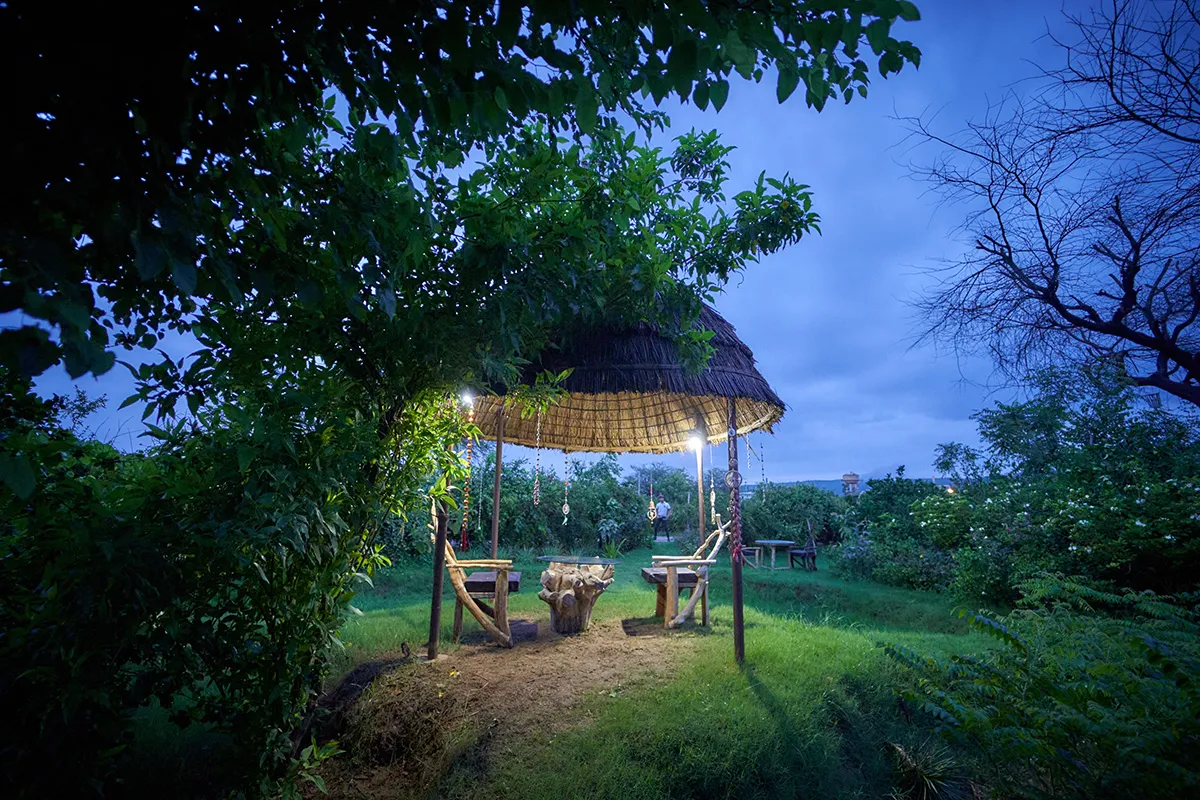
An immersive break surrounded by space and slower moments can offer a common setting while allowing guests to experience it differently.
One family member may participate in an outdoor game, another may enjoy birdwatching, and someone else may rest. They can later reunite for a meal or conversation.
Why is sound a useful way to understand each generation?
The sounds people seek often reveal what they value.
Children may follow the sound of play. Adults may notice when work notifications stop interrupting them. Grandparents may value the voices of family members gathered together. Someone seeking solitude may appreciate softer environmental sounds.
Paying attention to these differences helps families avoid assuming that everyone has the same idea of relaxation.
How should a multigenerational itinerary be organised?
A practical itinerary can include four components:
Shared experience
Choose one activity or meal that brings everyone together.
Personal choice
Allow family members to select an experience based on interest and energy.
Recovery time
Keep part of the afternoon or evening free for rest.
Informal reunion
Create time for everyone to discuss what they did separately.
This approach provides structure without making the holiday rigid.
Should all family members participate in every activity?
No. Mandatory participation can make recreation feel like an obligation.
Some activities will naturally suit certain family members more than others. The aim should be to find a few meaningful shared experiences while respecting different energy levels and interests.
A person who skips one activity may return more enthusiastically for the next family gathering. Personal time does not weaken togetherness when it is balanced with intentional shared moments.
How can families reduce screen dependence without strict rules?
Parents can create short screen-light periods rather than banning devices throughout the holiday. Examples include:
- Phones away during meals
- A device-free family game
- A short sound walk
- No work calls during one chosen period
- Photographs taken first and shared online later
Adults should participate in the same practice. Children are less likely to accept screen-free time when parents continue checking their phones.
Why are shared meals important?
Meals create natural meeting points. Family members who followed different interests can sit together, exchange stories and plan what they want to do next.
This is particularly valuable during a multigenerational resort holiday because togetherness can be maintained without requiring identical schedules throughout the day.
The conversation surrounding a meal may ultimately become more memorable than the activity everyone initially considered essential.
What is the real meaning of a peaceful family holiday?
A peaceful family holiday does not require complete silence, perfect agreement or continuous relaxation. It means reducing unnecessary pressure and giving each person enough freedom to enjoy the stay comfortably.
Children can play, adults can pause, teenagers can make choices and grandparents can participate at their preferred pace. The family still creates common memories through meals, games, conversations and unplanned moments.
Peacefulness is therefore not the absence of sound or activity. It is the absence of constant urgency.
When a holiday creates room for different generations to be themselves—and still brings them together naturally—it becomes more than a temporary break. It becomes a shared family experience that each person can remember in a different but equally meaningful way.
Frequently Asked Questions
What does a peaceful family holiday mean for different generations?
A peaceful family holiday varies by generation; children may find joy in play and exploration, teenagers seek a mix of independence and shared experiences, parents manage logistics while desiring relaxation, and grandparents appreciate comfortable pacing and meaningful connections. The key is balancing personal freedom with shared moments.
How can families cater to different preferences during a holiday?
Families can create an itinerary that includes both shared activities and personal choices. By allowing family members to select experiences based on their interests and energy levels, everyone can enjoy the holiday in their own way while still coming together for key moments.
Should all family members participate in every planned activity?
No, mandatory participation can turn recreation into an obligation. It's important to respect different interests and energy levels, allowing individuals to skip certain activities while still maintaining a focus on meaningful shared experiences.
Why are shared meals important during a family holiday?
Shared meals serve as natural meeting points for family members who have pursued different interests throughout the day. These gatherings foster connection, encourage storytelling, and help maintain togetherness, making the meal itself a memorable experience.
How can families reduce screen time without strict rules?
Instead of outright bans, families can implement short screen-light periods, such as device-free meals or family games. Adults should model this behavior, as children are more likely to engage in screen-free time if parents also participate.
What is the essence of a peaceful family holiday?
A peaceful family holiday isn't about silence or constant relaxation; it's about reducing pressure and providing freedom for each person to enjoy their time. It allows for playful children, relaxed adults, independent teenagers, and engaged grandparents, all while creating common memories.
How can sound help families understand each other's needs?
Different generations often seek different sounds that reflect their values; for instance, children may enjoy playful sounds, adults might appreciate quietness free from interruptions, and grandparents may cherish family conversations. Recognizing these preferences helps avoid assumptions about what relaxation means.































Sign in to leave a comment.