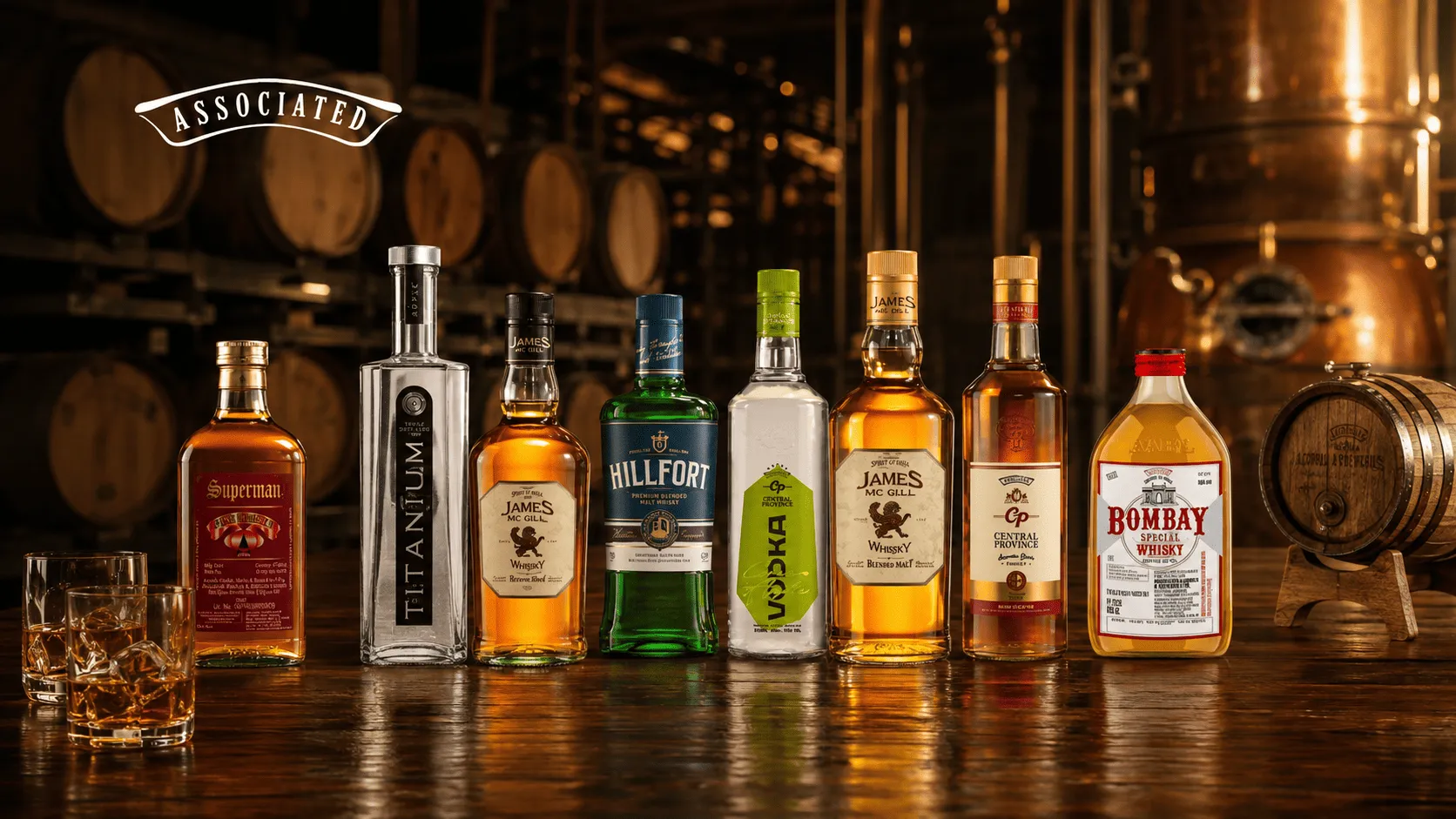

An Indian distillery of this scale typically manufactures Extra Neutral Alcohol, Indian Made Foreign Liquor, country liquor, and increasingly, fuel-grade ethanol. Associated Alcohols & Breweries Limited fits this pattern, running a grain-based plant that turns raw grain into a spread of finished and semi-finished alcohol products. India's alcohol market crossed USD 39.30 billion in 2024 and carries a projected annual growth rate of 5.8% through 2034. That growth is pulling distilleries toward more diversified output, not just bottled liquor.
This matters right now because ethanol blending policy, premiumisation trends, and contract manufacturing deals are reshaping what a "distillery" even produces. This post breaks down the four product categories a modern Indian distillery handles, how they differ, and why the mix keeps shifting.
What Does a Distillery in India Actually Manufacture?
A distillery manufactures four broad product lines: Extra Neutral Alcohol, Indian Made Foreign Liquor, Indian Made Indian Liquor, and fuel ethanol. Each serves a different buyer from beverage brands to fuel companies and each has separate quality and excise requirements.
Extra Neutral Alcohol (ENA)
ENA is the base spirit. Distilleries ferment grain or molasses, then distil it to a high purity level, stripping out congeners and flavour compounds. Beverage companies buy ENA as the raw input for vodka, gin, and blended whisky. Grain-based ENA has gained ground over molasses-based ENA because it produces a cleaner, more neutral profile with less environmental load per litre.
Indian Made Foreign Liquor (IMFL)
IMFL covers whisky, rum, vodka, gin, and brandy made in India using international-style recipes and processes. This is the category most consumers actually drink. IMFL alone is expected to touch roughly USD 32 million in value terms in one Statista market estimate for FY 2025, though broader industry reports peg total IMFL demand far higher depending on methodology.
Indian Made Indian Liquor (IMIL) and Country Liquor
IMIL, sometimes called country liquor, is a lower-cost spirit sold mainly in rural and semi-urban markets. Distilleries that started as IMIL producers including several older Madhya Pradesh-based plants have gradually added IMFL and ENA lines as consumer preferences shifted toward branded products.
What Is the Difference Between ENA and IMFL?
ENA is an unfinished, high-purity input spirit; IMFL is the finished, branded, bottled drink sold to consumers. ENA has almost no flavour of its own, while IMFL carries the taste, colour, and identity of a specific whisky, rum, or vodka brand built on top of that base spirit.
Think of it as flour versus bread. One is a raw material every bakery needs. The other is the product a customer picks off the shelf. A single distillery can sell ENA in bulk to other beverage companies while also bottling its own IMFL brands both activities running out of the same facility.
What Is Contract Manufacturing in the Liquor Industry?
Contract manufacturing means a distillery produces and bottles liquor on behalf of another company's brand, under that brand's formula and label. The distillery earns manufacturing revenue without owning the brand, while the brand owner gets production capacity without building its own plant.
This model matters a lot in India because setting up a new distillery involves heavy capital costs, multiple state excise licenses, and long approval timelines. Several established players run bottling lines for well-known international spirit brands under franchise and licensing arrangements, alongside their own proprietary labels.
Common structures include:
- Franchise bottling, where an international brand licenses its formula and trademark for local production
- Private label manufacturing, where a retailer or smaller brand owner outsources the entire production process
- Bulk ENA supply, where a distillery sells raw spirit to another company that finishes and bottles it independently
How Does Ethanol Production Support India's Fuel Blending Goals?
Ethanol production lets distilleries redirect grain or molasses-based alcohol into fuel-grade ethanol instead of, or alongside, beverage alcohol. This directly supports the government's Ethanol Blended Petrol Programme, which mixes ethanol into petrol to cut crude oil imports and reduce emissions.
Why Distilleries Are Adding Ethanol Capacity
Government procurement pricing for ethanol supplied to oil marketing companies has made fuel ethanol a stable, high-volume revenue stream. For plants with grain-based fermentation already in place, adding an ethanol stream requires far less new infrastructure than adding a fresh IMFL bottling line.
Grain-Based vs Molasses-Based Ethanol
Grain-based plants convert cereals like maize, broken rice, or damaged foodgrain into ethanol with lower effluent output. Molasses-based plants use sugarcane by-products and remain concentrated in sugar-producing states. India's ethanol dominance as a raw material category in the alcohol market reflects this blending-policy push.
A useful public resource for tracking how domestic grain-based distillation capacity is expanding across Indian states is the government's own food processing sector profile documentation, which tracks capacity additions and policy incentives across the sector.
Why Is Grain-Based Distillation Growing in India?
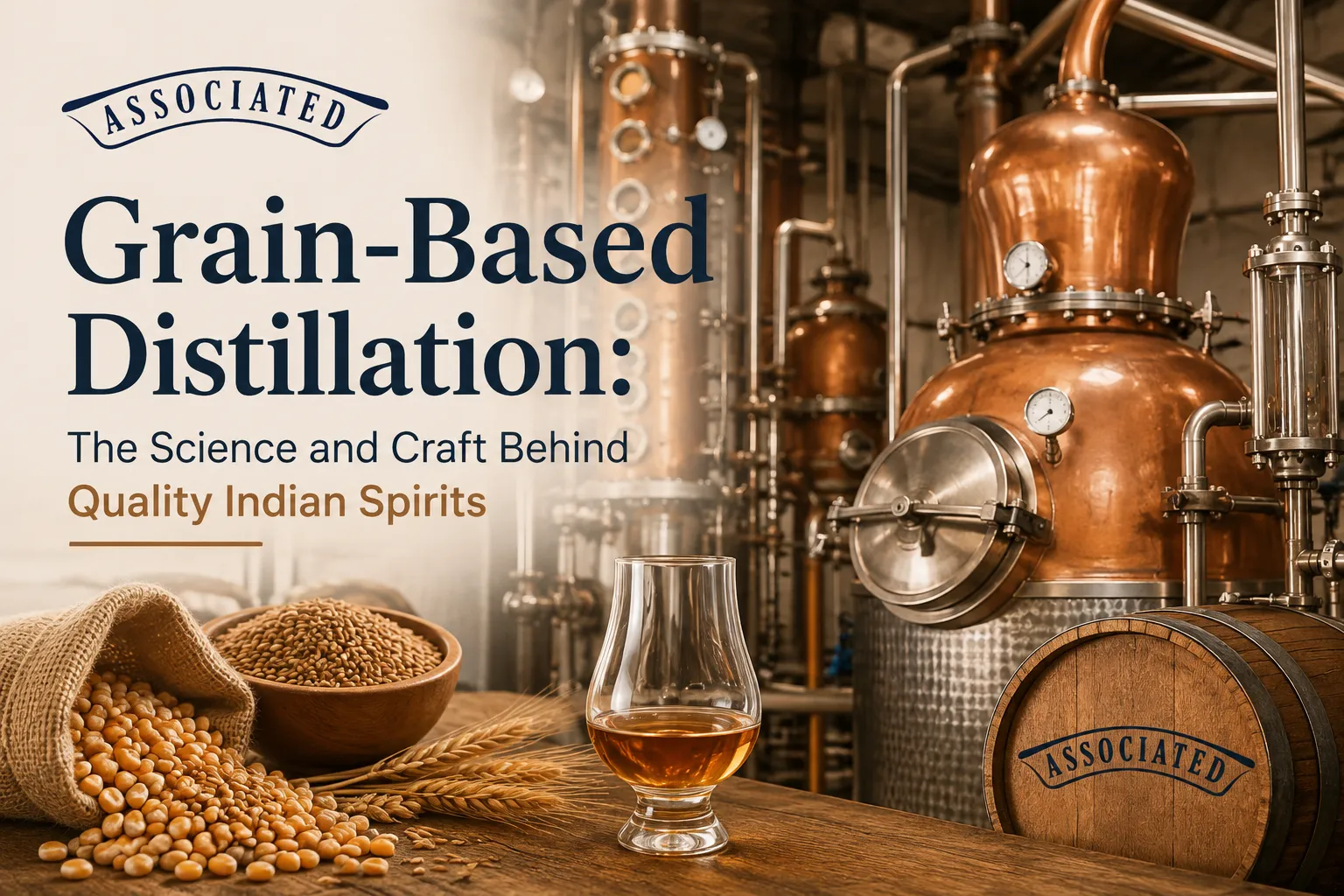
Grain-based distillation is growing because it produces cleaner ENA, generates less wastewater per litre than molasses-based methods, and aligns with ethanol blending incentives that reward grain feedstock. It also gives distilleries more flexibility to switch between beverage-grade and fuel-grade output based on demand.
Older Indian distilleries built around sugarcane molasses face feedstock volatility tied to sugar prices and monsoon-dependent cane yields. Grain feedstock maize and rice in particular offers more predictable sourcing and supports the zero-effluent operational targets several newer plants are working toward.
Conclusion
A modern Indian distillery rarely makes just one thing. It typically produces Extra Neutral Alcohol as a base input, bottles its own Indian Made Foreign Liquor brands, supplies country liquor to regional markets, and increasingly channels output into fuel ethanol. Associated Alcohols & Breweries Limited reflects this exact pattern a grain-based plant serving beverage buyers, franchise brand partners, and the fuel blending programme simultaneously. As blending targets rise and premiumisation reshapes consumer taste, expect this four-way product mix to keep shifting. Which segment will distilleries lean into hardest over the next five years beverage brands or fuel ethanol?























Sign in to leave a comment.