

Most business owners ask for a per-square-foot number because it’s easy to compare. But smoke detection isn’t priced the way flooring or paint is. A 5,000 sq ft open-plan office and a 5,000 sq ft restaurant with a kitchen, storage rooms, and a mezzanine need very different systems. If you want an installer who explains where each dollar goes, a licensed electrician in Cupertino or anywhere else in the South Bay should be able to walk you through it line by line.
The Realistic Range
For most commercial buildings in the Bay Area, installed smoke detection typically lands between $1.50 and $4.50 per square foot, with fully addressable, monitored systems in complex buildings running higher. These are planning estimates, not quotes. Your actual price depends on the factors below.

What Actually Drives the Price
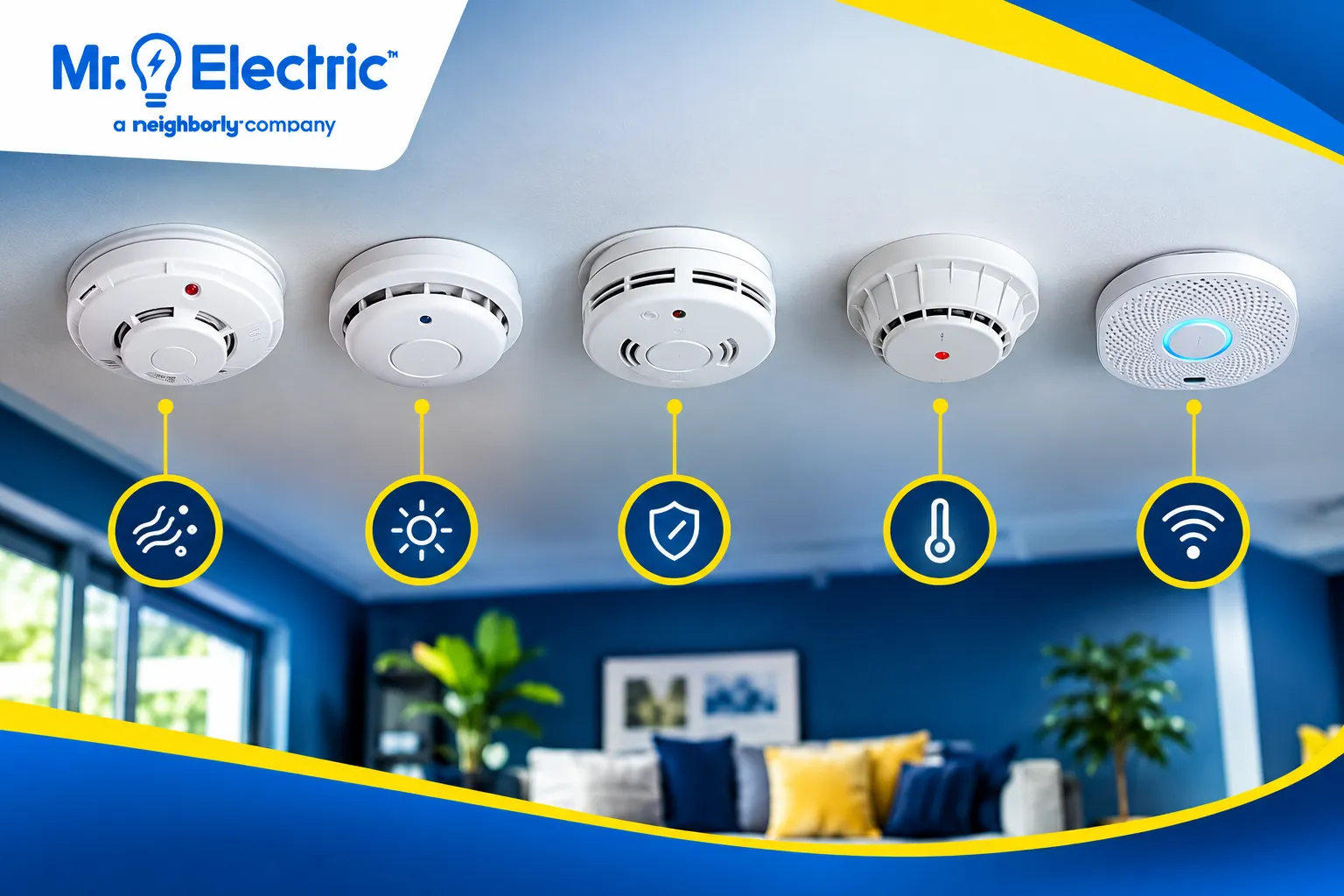
Detector count and type. Detectors are placed by ceiling height, airflow, and room layout, not just floor area. A 12-foot ceiling with exposed ductwork needs a different layout than a flat 9-foot ceiling. Photoelectric, heat, multi-sensor, and duct detectors all cost differently.
Panel type. A conventional panel groups detectors into zones. An addressable panel identifies the exact device that triggered, which speeds up response and troubleshooting. Addressable costs more up front but is often easier to maintain in larger buildings.
New construction vs. retrofit. Pulling wire through open walls is cheap. Fishing it through finished drywall, firestopped ceilings, or an occupied tenant space adds labor. Older San Jose buildings often hide surprises, such as outdated wiring or no accessible conduit paths.
Notification devices. Smoke detectors alone aren’t a fire alarm system. Horns, strobes, pull stations, and voice evacuation components are often needed and are frequently left out of rough estimates.
Monitoring and integration. Connecting to a central monitoring station, elevator recall, or HVAC shutdown adds both equipment and programming time. Monitoring also carries a recurring monthly fee.
Costs People Forget to Budget For
- Plan review and permits. Most commercial fire alarm work requires drawings submitted to the local fire authority. Expect fees and a review period before work starts.
- Testing and acceptance inspection. Every device must be tested and witnessed before sign-off.
- After-hours labour. If you can’t shut down during the day, nights and weekends cost more.
- Ceiling and drywall repair. Retrofit work often leaves patching and painting.
- Annual inspection and maintenance. Required testing is ongoing, so budget for it from day one.
Why Local Knowledge Matters
Fire code requirements aren’t identical everywhere. California adopts the state fire code and NFPA 72 standards, but each city and fire district enforces them with its own submittal process and inspection habits. A contractor who works regularly across the region already knows what plan reviewers want and what commonly fails inspection. Whether your property is in San Jose or you’re comparing a quote from an electrician in Fremont for a second location, ask each contractor how recently they’ve passed inspection in that specific jurisdiction. It can save weeks.
How to Compare Quotes Properly
Two quotes can differ by thousands of dollars without either being “wrong.” Before choosing, confirm each one states:
- Number and type of detectors and notification devices
- Panel brand, model, and whether it’s conventional or addressable
- Whether permits, plan drawings, and inspection fees are included
- Who handles the final acceptance test
- Warranty length on parts and labour
- Any monitoring contract terms
Also verify the contractor’s California license classification and ask for proof of insurance. A suspiciously low bid often leaves out permits, panel programming, or notification devices.
Ways to Control Cost Without Cutting Safety
- Schedule a site walk before design so the layout is based on the real building, not assumptions.
- Bundle smoke detection with other electrical work, such as lighting upgrades or panel work, to reduce mobilization costs.
- Choose a panel with room to expand if you plan to lease more space.
- Don’t skip required components to hit a number. Failed inspections cost more than doing it right.
Frequently Asked Questions
How much does it cost to install smoke detectors in a commercial building?
For a single small tenant space, a basic system may start around a few thousand dollars. Larger or more complex buildings can reach tens of thousands. The main variables are detector count, panel type, retrofit difficulty, and permits.
Are commercial smoke detectors required by law?
In most occupancy types, yes. Requirements depend on building use, size, and occupancy load under the California Fire Code. Your local fire authority can confirm what applies to your space.
Do I need a permit to install them?
Almost always, for commercial fire alarm work. Plans are typically reviewed before installation, and the system is inspected before it’s approved for use.
How long does installation take?
A small office can often be done in a few days once approvals are in place. Larger buildings can take weeks, and the plan-review stage may take longer than the physical work.
How often must commercial smoke detectors be tested?
Testing is generally required annually at minimum, with some components checked more often. Keep inspection records, since fire marshals may ask to see them.
Can I use residential smoke alarms in my business?
Generally no. Commercial spaces usually need listed devices tied into a control panel with required notification and, in many cases, monitoring.
Do detectors need to be replaced?
Manufacturers set service lives, commonly around 10 years for many devices. Sensitivity testing and cleaning help catch failing units sooner.
Why does my system keep false alarming?
Common causes include dust buildup, cooking vapor, humidity, steam, and detectors placed too close to vents or kitchens. The fix is usually relocation or switching to a more suitable detector type.
If you’re planning an install or upgrade, the most useful first step is a site assessment. A walk-through shows what your building needs, so the quote reflects reality rather than a guess.






















Sign in to leave a comment.